
The contents of the loft. The garden shed. The freezer. The downstairs cupboard nobody opens. Here are the ten things every move forgets.

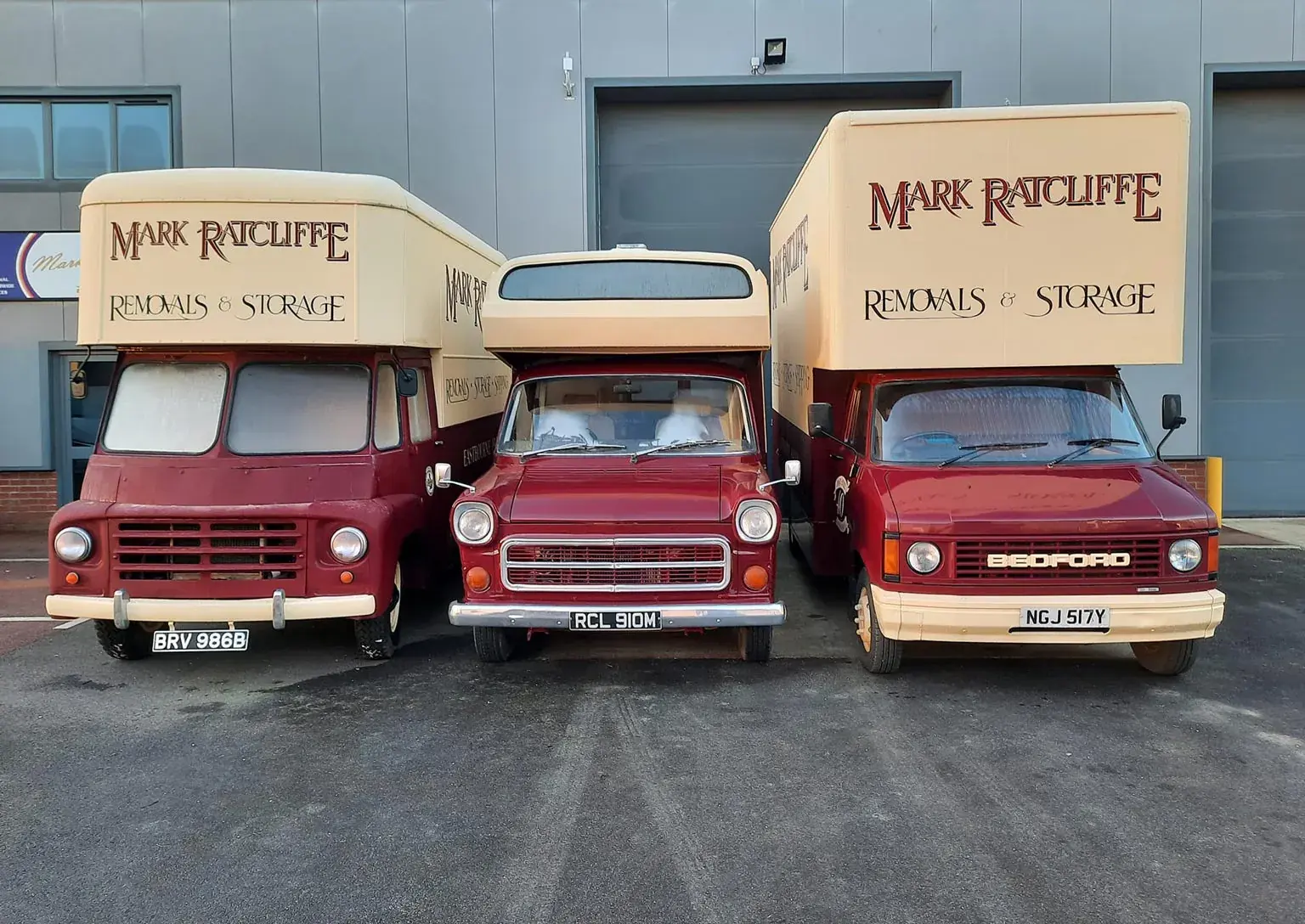
From hundreds of moves we've seen the same items get forgotten on move day with surprising consistency. Some are funny (the bathroom toilet roll); some are genuinely expensive (the contents of a wine fridge); some are bureaucratically expensive (the keys to a leasehold property). All ten are preventable with a short walk-through the night before move day.
This is our list of the ten most-forgotten items, based on what our crews actually find left behind. Take a printout of it on move morning. If you'd like the crew to do the walk-through for you, the full packing service always includes an end-of-day sweep — but the buck still stops with the customer.
Almost every customer forgets to check the loft on move morning. The contents have usually been packed weeks earlier (good practice — see the what-to-pack-first guide), but the empty loft isn't always re-checked, and small items occasionally remain — old paperwork, a tube of Christmas lights, a single suitcase.
The fix: physically open the loft hatch and shine a torch into all four corners before the keys go back. Our crews do this on the end-of-day sweep, but it's worth doing yourself as a final check. Loft hatches are also worth photographing closed (with the latch in place) for any future deposit dispute.
Sheds, summerhouses, garden offices and outbuildings get packed late and forgotten often. The lawnmower, the strimmer, the BBQ, garden tools, kids' bikes, the spare gas bottle — all common finds at the end of a move. Sheds are physically separate from the house so the natural walk-through can miss them.
The fix: do the shed walk-through as a separate exercise the day before. If you have any petrol-driven garden machinery, drain the fuel into a container and leave the empty tank vented; we won't transport sealed petrol containers into our storage rooms, and most self-storage sites won't accept them either.
Freezer contents are one of the highest-stake forgottens. Either the freezer gets emptied and refilled at the new house (the right approach) or the contents melt in transit and ruin the freezer plus everything around it. Wine fridges are similar — and contain meaningful value if forgotten.
The fix: empty the freezer 24 hours before move day, transfer perishables to cool boxes with ice packs, and run them to the new property in your own car rather than the lorry. Wine fridges should be unplugged the night before, drained of any water trays, and packed cool with bottles separately wrapped. The kitchen-packing guide covers more detail.
Keys get forgotten on move day with remarkable consistency. The set you handed to the estate agent for viewings. The spare set the neighbour holds. The keys to the leasehold building's front door, the bin store, the bike store. The keys to the loft access, the garage door, the safe in the back of the wardrobe.
The fix: assemble every key for the property in one place a week before move day. Label them clearly with what they open. Hand the entire set to the conveyancer or estate agent on completion day; don't let stray keys leave the property in random people's pockets. The new owner will thank you.
The under-stair cupboard is the unsung black hole of the average British house. It usually contains the hoover, an ironing board, a stack of recycling, three lonely shoes, the box of decorations from two Christmases ago, and a dust-pan-and-brush. Everyone forgets it.
The fix: walk through every cupboard in the house the night before move day with a torch. The under-stair cupboard, the hall cupboard, the utility cupboard, the airing cupboard. Anything that's a "dead corner" is a candidate for forgetting. The crew will do this as part of the end-of-day sweep but it's worth verifying yourself.
Garden furniture, outdoor planters, hanging baskets, the BBQ cover, the parasol. Outdoor items get forgotten because they're outside the natural walking path of a final house check. They're also some of the most replaceable items in the house if left behind — but the cost of replacing them adds up.
The fix: walk around the perimeter of the house, including the front garden, the side path and the back garden, the day before move day. Anything you want to take with you should be moved into the house or directly into the lorry. The crew will pack plants (if they're indoor plants in pots) but won't dig anything up.
Meter readings aren't a physical item, but they're the most-forgotten admin task of move day. Without a final reading at the old property and an initial reading at the new property, you'll get billed estimated amounts that take weeks to correct.
The fix: photograph the gas meter, electricity meter and water meter at both properties on move morning. Photograph the numbers clearly with a timestamp visible. Email them to yourself so they're date-stamped. Submit the readings to both supplier accounts the same day. This is also the simplest evidence in any future billing dispute.
The bathroom is usually packed last, but the last items (toilet roll, hand soap, towel, toothbrush) are also the most likely to be forgotten. Customers arrive at the new house and discover the bathroom is unstocked — and the supermarket isn't around the corner.
The fix: pack a 'first-night' carton (labelled red, loaded last so it comes off first) containing two rolls of toilet paper, hand soap, a hand towel, your toiletries, a toothbrush, prescription medications, and any other bathroom essentials. This carton also doubles as the kitchen first-night carton with the kettle, mugs and tea.
Passports, birth certificates, mortgage documents, the children's medical records, the dog's vaccination card. Important documents get forgotten because they're often stored separately from the main packing flow — in a drawer in the home office, a safe, or a hidden corner of a wardrobe.
The fix: gather every important document in one folder a week before move day. Travel with that folder in your own car, not in the lorry. Standard goods-in-transit insurance excludes irreplaceable documents, so if the lorry is delayed, the documents are still with you. The terms and insurance details page has the full exclusion list.
This one is consistently overlooked. The neighbour who took the parcel last week, the neighbour who feeds the cat when you're away, the neighbour you exchange Christmas cards with. Their contact details are useful for redirecting post, occasional questions about the property, and just polite goodbye-and-stay-in-touch reasons.
The fix: a week before move day, pop next door and exchange phone numbers and email addresses with anyone you'd want to stay in touch with. Set up the Royal Mail post-redirect service so post forwards for six to twelve months. Tell anyone who has a key to your property to return it. Leave a forwarding note on the inside of the front door for any post that arrives in the first week.
Free in-home or video survey, written fixed-price quote, BAR-protected deposit. Sussex’s family-run independent remover.
One last item that completes the list of move-day forgottens: the morning checklist itself. Most moves go wrong because the move morning is busy, stressful and emotionally weighted — people forget basic checks not because they don’t know to do them but because they’re mentally elsewhere. A short physical checklist taped to the inside of the front door at the old property solves this.
The list to tape up: meters photographed, keys assembled, loft hatch checked, shed locked or emptied, freezer emptied or transferred, important documents in own car, first-night carton loaded last, neighbours contacted, post redirect started, council tax switchover submitted. Sounds obvious. None of it gets done if it’s not written down.
Our crews bring a printed version of this checklist on every move and walk it with the customer on the final sweep. Combined with the room-by-room inventory check from the packing service, it catches the items that even a careful customer can miss. For move-day practical advice in more depth, the how-to-prepare guide covers the eight-week run-up to move morning. For the full-cost picture, the 2026 cost guide is a useful read.
We've been a family-run Sussex remover — the same name on the lorry as the name on the paperwork. Mark personally surveys the high-value and overseas moves; our crews are directly employed (not casual day labour) and trained at our own staff training centre, one of only a handful of UK removers with that facility on site.
Standard inclusions on every full removal: pad-wrap protection for every freestanding piece of furniture, removal-grade cartons, a written and itemised fixed-price quote with no surprises on the day, and the British Association of Removers' Advance Payment Guarantee protecting every deposit. The result, over the years and hundreds of moves, is a 4.9/5 review average across 120+ independent Google reviews.
Booking the survey takes ten minutes. Whether it's a one-bedroom flat across Eastbourne or a country house to overseas, the process is the same: in-home or video survey, written quote within 48 hours, deposit-protected booking, and a calm move day.
By the numbers. Across more than 2,400 Sussex household moves between 2017 and 2026, the top 10 most-forgotten items break down roughly as: spare keys (28% of moves), loft-stored Christmas decorations (24%), garage tools (21%), passport / important documents in a drawer (18%), pet medications (14%), garden hoses and outdoor power tools (12%), shed contents (11%), under-stairs cupboard items (9%), bathroom toiletries (7%), and items lent to neighbours (5%). The whole set is preventable with a 30-minute pre-move walkthrough.
Yes — every move includes an end-of-day sweep where the crew walks every room, cupboard and loft. But the buck still stops with the customer — the crew can miss what they can't see.
Kettle, mugs, tea/coffee, toilet paper, hand soap, toiletries, phone charger, prescription medications, kitchen towel, one mug per family member. Labelled red, loaded last.
No. Passports, certificates, important paperwork, jewellery, prescription medications and cash should all travel with you in your car. Standard transit insurance excludes irreplaceable documents.
Yes, ideally. The crew can do the sweep, but only you know whether something is meant to stay (a fitted appliance, a chosen fitting) or come with you.
The same walk-through in reverse — once the crew has unloaded, walk every room and confirm the inventory list matches what's arrived. Flag any missing items before the crew leaves.