
Single-person moves don't get easier when the volume is smaller — the labour and the admin still need doing. Here is how to scale the move to one person.

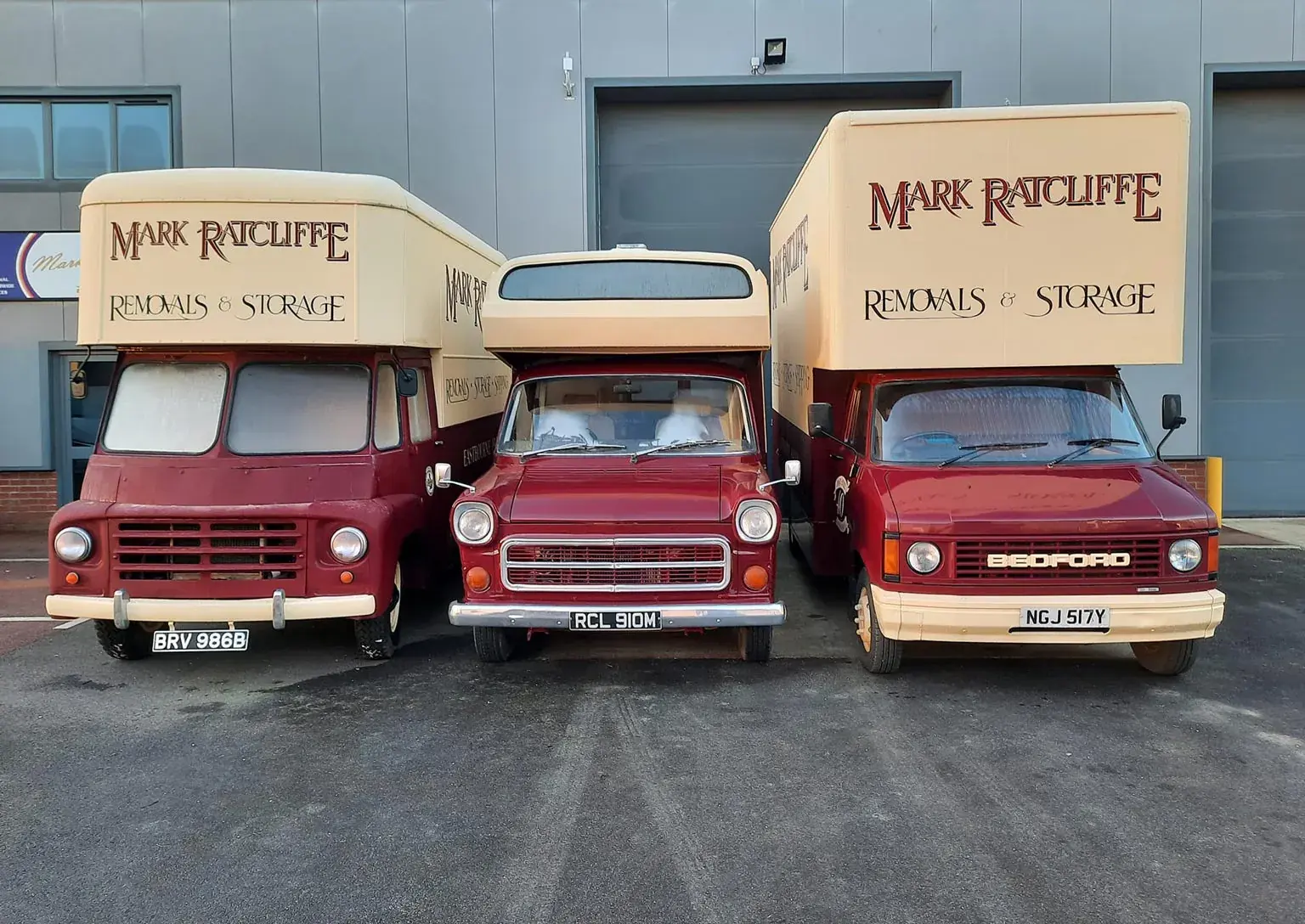
A solo move — whether by choice, by life circumstance, or because the helpers everyone else seems to have aren’t available — is a different planning exercise from a family move. The labour can’t be parallelised, the admin still all needs doing, and the move-day support that families default to (someone watching the kids, someone receiving the takeaway, someone running to the supermarket) has to be planned rather than assumed. From years of Sussex moves we’ve handled plenty of solo customers and have a clear view of what works.
This guide covers the practical scaling: how to plan, how to pack, what to delegate, and how to make move day manageable. The honest takeaway up front: for solo moves above one-bedroom-flat size, a professional removal firm changes the difficulty meaningfully. The cost is real but the alternative (a friend with a hired van and goodwill) usually overpromises and underdelivers.
The biggest advantage of a solo move is that you only need to coordinate with yourself. No family schedule to align, no children to factor in, no partner with strong opinions about how the bookshelves get packed. Use this. Start the planning 8 weeks ahead and work steadily through the categories in the order from the 8-week preparation guide.
The downside: nobody else is doing parallel work. Every category — the loft, the wardrobe, the admin, the booking — is sequential because one person is doing it. Start earlier, finish earlier, and don’t leave anything to the final week unless absolutely necessary.
For solo customers with limited evening hours (full-time work, caring responsibilities, health constraints), the case for a full packing service is much stronger than for a couple-with-kids family move. The packing day before move day eliminates 30–50 hours of solo evening work; for many solo movers this is the deciding service to book.
For a solo move, the right service tier depends on the inventory size and the customer’s physical capacity. Studio flat to 1-bedroom flat: a man-and-van service is usually sufficient. Two crew, a smaller van, half-day or full-day hire. The customer self-packs the cartons; the crew does the heavy lifting.
2-bedroom flat or 2-bedroom house: full removal service with self-pack or fragile-only pack. Three crew, a 7.5-tonne lorry, full day. The crew handles all the carry, the wrapping, the loading, the transit, and the unloading. The customer manages the boxes.
3-bedroom and above as a solo move: full removal with full packing service. The customer doesn’t physically have the time to pack a 3-bed home alone in the evenings of the run-up; the full pack eliminates the bottleneck. Talk to us at survey about the right tier for your specific situation.
Solo movers should pack into smaller cartons than family movers. A small carton of books weighs 8–15kg fully loaded; a large carton of books weighs 25–40kg. The smaller size is liftable solo; the larger size needs two people. Save your back by sizing the cartons to your own lifting capacity, not the family norm.
The same logic for the layout. Pack into many smaller cartons rather than fewer larger ones. Yes, this means more cartons, but each is manageable. For the truly heavy items (books, files, tools), use removal-grade book cartons (we stock these at the Lower Dicker packaging shop) sized specifically for the weight density of dense contents.
For lifting on move day, the crew handles the heavy items. The solo customer’s lifting is the personal items, the final-day clearance, and the boxes you brought home from the supermarket as packing material. None of these should be back-strain candidates.
Solo doesn’t mean entirely alone. Several services exist specifically to help solo movers with the tasks that benefit from a second person. Cleaning service for the old property — £100–£200 for an end-of-tenancy or end-of-ownership clean. Saves a day. Locksmith for the new property — £60–£120 to change the locks on day one for security. Saves the “who else has keys?” question.
For friend or family help, plan it explicitly rather than hope for it. A friend who’s offered to help is more useful pre-arranged for a specific task (“can you do the supermarket run on Friday afternoon while I’m at the new house?”) than for a vague move-day appearance. People who say “let me know if I can help” are usually genuinely willing if given a specific job.
For elderly relatives or anyone with mobility constraints moving alone, our crews are happy to do small extra jobs at the unload that aren’t standard scope — basic furniture reassembly, picture hanging if you’ve got the pictures and the hooks ready, even putting the kettle on. Ask the crew lead; they’re happy to help on small extras.
For move day itself, the priorities are physical: stay hydrated, eat properly, take regular sit-downs, don’t try to do too much yourself. The crew is doing the lifting; the customer’s job is to point, answer questions, and make decisions. Resist the urge to muck in — the crew is faster without help and your back will thank you in the morning.
Plan the food. A solo move-day customer who hasn’t planned meals ends up at 3pm hungry and running out of energy. Lunchtime sandwich from the local shop or a pre-made packed lunch from home. Cold drinks. A flask of tea or coffee for both ends of the day.
For the evening at the new house, plan the first-night routine. Make the bed first (the crew can help with this if you’ve booked the unpacking service). Set up the kitchen for one (kettle, mugs, tea, a frying pan, one set of plates and cutlery). Order a takeaway if you can’t face cooking. The survival kit guide covers the essentials for the first-night carton.
The first month settling into a new house alone is the part that benefits from the time advantage. Unpack at your own pace, room by room, without anyone else’s opinions to negotiate. The kitchen and the bedroom in week one; the rest in weeks two to four. Don’t rush it.
For the social side, the first month is when to make a small effort to meet the new neighbours and the local services. The local pub, the village shop, the parkrun, the GP surgery, the dentist, the postman. None of these are events; they’re repeated encounters that turn into recognition over weeks. Solo movers who put in the small effort in the first month consistently report feeling at home faster than those who don’t.
For safety and security, the first week at a new property is when to set up the basics. Change the locks if you don’t know who else has keys. Check the smoke alarms and carbon-monoxide detectors. Walk the perimeter at night to identify any motion-sensor lights or external security. None of this is paranoid; it’s sensible. The 8-week preparation guide covers the wider new-home admin.
We've been a family-run Sussex remover — the same name on the lorry as the name on the paperwork. Mark personally surveys the high-value and overseas moves; our crews are directly employed (not casual day labour) and trained at our own staff training centre, one of only a handful of UK removers with that facility on site.
Standard inclusions on every full removal: pad-wrap protection for every freestanding piece of furniture, removal-grade cartons, a written and itemised fixed-price quote with no surprises on the day, and the British Association of Removers' Advance Payment Guarantee protecting every deposit. The result, over the years and hundreds of moves, is a 4.9/5 review average across 120+ independent Google reviews.
Booking the survey takes ten minutes. Whether it's a one-bedroom flat across Eastbourne or a country house to overseas, the process is the same: in-home or video survey, written quote within 48 hours, deposit-protected booking, and a calm move day.
Free in-home or video survey, written fixed-price quote, BAR-protected deposit. Sussex’s family-run independent remover.
Physically, yes — but only with a full removal firm doing the lifting. The bottleneck for solo movers above 2 beds is the evening-pack time, which the full packing service eliminates.
Man-and-van for studio or 1-bedroom flat moves. Full removal for 2-bed and above. For a solo customer, full pack is often the deciding choice on anything 3-bed plus.
You shouldn't. Use smaller cartons (small not large), let the removal crew handle the furniture and the heaviest cartons, hire a locksmith and cleaning service for the end-of-tenancy work.
Mention this at survey. Our crews are happy to do small extras at the unload (furniture reassembly, picture hanging, putting the kettle on) for customers who need them. The white-glove service is the dedicated option.
Almost always. Solo customers consistently report the move was much easier than expected when they paid for the right service tier. The alternative (DIY with goodwill helpers) usually underdelivers.