
Lifts and managing agents and 50-metre carries. Stairs and gardens and the loft contents. The two property types move very differently — here is how.

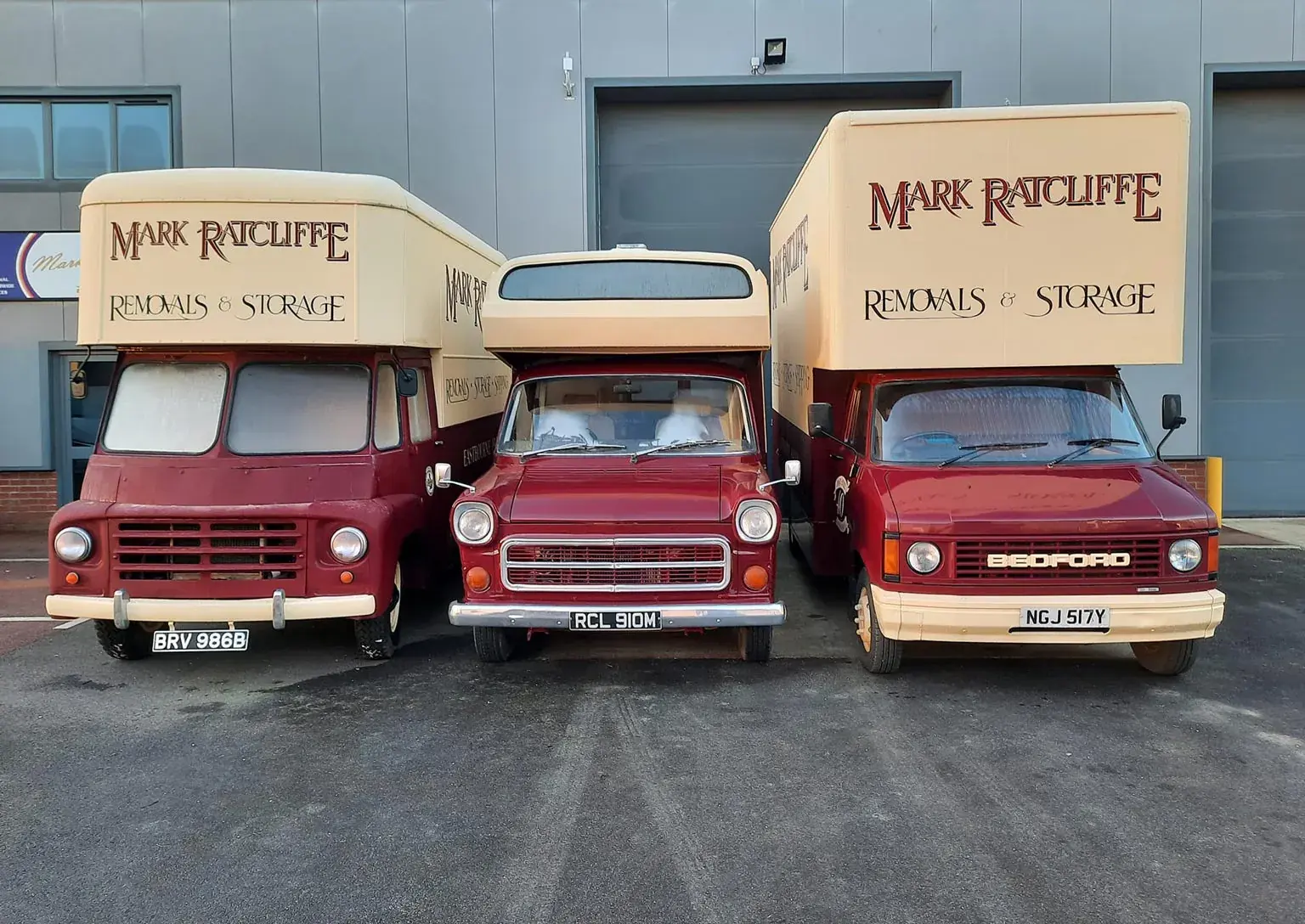
A flat move and a house move look superficially similar — same lorry, same crew, same pad-wrap method — but they have very different operational characteristics. The volume of contents, the access constraints, the parking realities, the managing-agent paperwork, and the loading time all shift between the two property types. From years of Sussex moves we have a clear view of the differences.
This guide walks through the key contrasts: contents volume, access, parking, paperwork and pricing. The aim is to set realistic expectations whichever property type you’re moving from or to. For mixed scenarios (out of a flat into a house, or vice versa) the considerations stack — both sets of challenges apply.
The biggest single difference is contents volume. A 2-bedroom flat typically contains 60–100 cartons of stuff plus the furniture. A 3-bedroom house typically contains 150–250 cartons. The difference isn’t in the living spaces (a 2-bed flat lounge and a 3-bed house lounge have similar contents) — it’s in the additional rooms (loft, garage, shed, second bathroom, utility room) that houses have and flats don’t.
The loft is the biggest accumulator. Most houses have lofts containing items that nobody’s touched in years — old Christmas decorations, retired furniture, family archive boxes, the boxes from the move two-houses-ago. Almost every house survey we do finds twice the loft contents the customer expected. The downsizing guide covers what to do about it.
The garden adds another layer: outdoor furniture, BBQ, lawnmower, garden tools, plant pots, garden ornaments. Flat moves rarely include any of this; house moves almost always do. The garden contents are surveyed separately and priced as part of the overall quote.
Flat access is dominated by the lift question. Top-floor flats with lifts are operationally easy; top-floor flats without lifts mean 4–6 flights of stairs for every carton and every piece of furniture. This adds 30–60% to the load time and changes the crew configuration we send (4-person crew rather than the 3-person standard).
For flats in serviced blocks, the lift booking process matters. Most blocks require advance lift bookings, protective floor coverings, and sometimes weekend-only moves. Without the booking, the building’s residents have priority and our crew may wait 20 minutes between every lift trip. With the booking, the lift is held for our use during the load window.
House access is usually easier. Driveway parking or kerb parking, no lift booking, ground-floor doorways, and (sometimes) a side gate to the garden. The exceptions are houses in conservation areas (see listed-building moves) and houses with steep approaches. Both are surveyed and priced specifically.
Flat parking is consistently harder than house parking. City-centre flats sit on permit-controlled streets where a 7.5-tonne lorry can’t legally park without a suspension. The application process takes 10 working days through the relevant council; the cost is £60–£140 depending on the borough.
For flats above shops or in pedestrianised zones, the lorry sometimes can’t reach the entrance at all. The standard fallback is a shuttle: a smaller van runs between the flat’s front door and the main lorry parked legally further away. This adds crew time and is quoted in the survey.
House parking in suburban Sussex is usually unrestricted — pull onto the drive, no permit needed. The exception is conservation-area houses and inner-town addresses. The Eastbourne area guide and the Brighton area guide cover the parking specifics for those towns.
Flat moves involve a paperwork layer that house moves don’t. The managing agent (the firm running the block on behalf of the freeholder) usually has move-in/move-out rules: notification period, agreed move-day windows, mandatory floor protection, sometimes a refundable security deposit against damage to communal areas.
For leasehold flats, check the lease itself for any move restrictions. Some leases require landlord consent for any move; some specify how the move can be done (weekend-only, specific lift use, no use of the front lobby). Reading the lease 6 weeks before move day saves a lot of last-minute scrambling.
House moves don’t have this paperwork layer (with the exception of listed-building moves and some conservation-area properties). The freeholder relationship for houses is direct ownership; no managing agent to coordinate with. This makes the move logistically simpler but it doesn’t affect the move price meaningfully.
Per-cubic-metre pricing makes flat moves cheaper than house moves for the same property size because the contents volume is lower. A 2-bed flat move in Sussex typically runs £550–£850. A 2-bed house move (rare but it happens) runs £700–£1,000 because the loft, garden and garage push the volume up.
For 3-bed and above, the comparison shifts. 3-bed flats are rare; most 3-bed properties are houses. A 3-bed house move sits in the £850–£1,250 range (see the 2026 cost guide for detail). Equivalent-volume flat moves (which would be unusual) would price similarly per cubic metre but lower in total because of lower contents.
The cost differential isn’t dramatic for moves into or out of the same property type. Where it matters more is mixed scenarios: moving the contents of a house into a smaller flat (additional storage cost as items don’t fit, or disposal cost), or moving a flat into a house (the contents stretch thin and the new house feels under-furnished). Plan for both scenarios at survey stage.
For flat moves: book the lift slot two weeks ahead, apply for the parking suspension ten working days ahead, read the lease for any move restrictions, and pack the easy categories yourself (the packing-service guide covers the fragile-only option). Plan for the lift queue and the carry from the lorry to the lift.
For house moves: declutter the loft and the garage before the survey (this saves real money — see the downsizing guide), confirm garden contents at the survey, plan for the post-move cardboard collection (we collect free of charge within standard delivery range). The packing-order guide covers the timing.
For mixed scenarios (flat-to-house or house-to-flat): pack with the destination in mind. Items that won’t fit the new property are best disposed of at the old end rather than the new. For house-to-flat downsizing in particular, the right approach is usually to sell, donate or store substantial items before the move. The Lower Dicker self-storage handles long-term needs.
We've been a family-run Sussex remover — the same name on the lorry as the name on the paperwork. Mark personally surveys the high-value and overseas moves; our crews are directly employed (not casual day labour) and trained at our own staff training centre, one of only a handful of UK removers with that facility on site.
Standard inclusions on every full removal: pad-wrap protection for every freestanding piece of furniture, removal-grade cartons, a written and itemised fixed-price quote with no surprises on the day, and the British Association of Removers' Advance Payment Guarantee protecting every deposit. The result, over the years and hundreds of moves, is a 4.9/5 review average across 120+ independent Google reviews.
Booking the survey takes ten minutes. Whether it's a one-bedroom flat across Eastbourne or a country house to overseas, the process is the same: in-home or video survey, written quote within 48 hours, deposit-protected booking, and a calm move day.
Free in-home or video survey, written fixed-price quote, BAR-protected deposit. Sussex’s family-run independent remover.
One last operational reality. For most customers the move type isn’t a choice — you’re moving from a flat to a house, or from a house to a flat, or flat-to-flat, based on life circumstances. The point of this comparison isn’t to choose one over the other; it’s to set realistic expectations for what your specific move involves. The survey is where the specifics get nailed down, including any quirks unique to your property pair.
Generally yes, per cubic metre and in total — flats have lower contents volume because they don't have lofts, gardens, garages or sheds. A 2-bed flat move in Sussex is typically £550–£850; equivalent house moves price similarly but with more contents add £100–£200.
Most serviced blocks require advance lift bookings, protective floor coverings, and sometimes weekend-only moves. Apply through the managing agent at least 2 weeks ahead. Without the booking, lift access is on a first-come basis and the move runs much slower.
Often yes for city-centre flats on permit-controlled streets. Apply through the relevant council 10 working days ahead. Cost is £60–£140 depending on the borough.
Real challenge. 4–6 flights of stairs for every carton and every piece of furniture adds 30–60% to the load time and means a 4-person crew rather than 3. We flag this at survey and price accordingly.
Flat-to-house: contents usually stretch thin and the new house feels under-furnished — plan for some new furniture buying. House-to-flat: substantial downsizing usually needed. Plan the disposal/storage strategy before move day, not after.