
The price differences, the practical logistics, the lifestyle reset, and the move-day specifics from one of the most-asked routes on our diary.

The London-to-Sussex move is one of the steadiest routes on our weekly diary, and the pace has only accelerated since 2020. The pull factors are consistent: cheaper houses, better space-per-pound, strong schools, fast trains, a coastline. The push factors are familiar to anyone who’s lived in a London zone 3 or 4 for a decade or more. We move dozens of London-to-Sussex households every year and this guide collects the practical advice we give every family at survey stage.
The structure below walks through the lifestyle reset (what changes about everyday life), the financial picture (what you can actually expect to gain), and the move-day logistics. The aim is to make sure you arrive in Sussex with realistic expectations and a calm move-day plan.
The single biggest lifestyle change is the slower default tempo. London runs at a pace that residents stop noticing until they leave; Sussex doesn’t. Restaurants close earlier, shops aren’t open 24 hours, public transport is less frequent, and a meaningful share of evenings end with most people at home rather than out. For families with young children this is overwhelmingly a positive. For singles in their twenties and early thirties used to a busy London social life it’s the change that takes longest to adjust to.
Car dependence varies sharply by destination. Brighton, Eastbourne, Hastings and Lewes are walkable, transit-friendly and many residents don’t own a car. The smaller towns and Downland villages (Forest Row, Mayfield, Wadhurst, the Hailsham hinterland) need a car for everyday life. If you’re car-free in London and want to stay that way, your destination choice is meaningful.
The countryside, the beaches and the South Downs become genuinely part of everyday life rather than weekend outings. Most Sussex households take this for granted within a month. For Londoners arriving from the inner zones, the abundance of outdoor space — proper countryside walks within a 10-minute drive — is consistently the part they enjoy most. Have a look at the best-areas-in-East-Sussex guide for the lifestyle comparison.
The price differential between London and East Sussex is real but smaller than the headlines suggest in 2026. A three-bedroom Victorian terrace in zone 3/4 London might sell at £700–£900k; the same house in Eastbourne or Hastings is £400–£600k. That gap funds a meaningful deposit-paydown or a step up to a four-bedroom property. West Sussex (Chichester, Worthing, Horsham) sits in between.
The non-mortgage costs shift in your favour. Council tax bands are usually lower; parking permits cheaper; food and household-supplies prices comparable; school fees (if you’re using independents) are 20–30% lower at equivalent schools. The compensating cost is the commute: a London Bridge season ticket from Eastbourne in 2026 is £6–7k a year, from Hastings around £6k, from Brighton £4.5k. Factor this into the total household budget.
The full cost picture for the move itself is in our 2026 cost of moving guide — a typical 3-bed London-to-Eastbourne move sits in the £1,100–£1,500 range, plus optional packing services (£220–£800 depending on scope), plus stamp duty and conveyancing on the property side.
If a London commute is part of the plan, the train timings matter. Brighton to London Victoria via Thameslink: 54 minutes direct, every 10 minutes peak. Eastbourne to London Victoria: 90 minutes via Lewes, half-hourly. Hastings to London Charing Cross: 90 minutes, hourly. Lewes to London Victoria: 70 minutes, half-hourly. Worthing to London Victoria via Three Bridges: 90 minutes. Chichester to London Victoria via Three Bridges: 100 minutes.
The reliability of the southern rail network has improved significantly since 2024 but engineering works on weekends and bank holidays still happen. If you commute five days a week, factor in monthly disruption of one or two days. Hybrid working (2–3 days office, 2–3 days home) is the practical pattern for most London commuters we move; full-time office attendance from East Sussex is uncommon now.
Annual season tickets are paid up front and need committing to. If you’re moving with uncertainty about whether the commute will work, monthly tickets are 30% more expensive but let you bail out without losing money. Half-year passes split the difference. Confirm the office attendance pattern with your employer before committing to the season ticket.
For families with school-age children: Eastbourne (large town, multiple secondary options, longer commute), Brighton/Hove (city character, faster commute, complex catchments), or one of the Downland-adjacent towns (Lewes, Burgess Hill, Haywards Heath) with the village-school option. Each has trade-offs covered in the Eastbourne schools guide and the wider best-areas guide.
For young professional couples wanting a Sussex lifestyle without giving up easy London access: Lewes, Brighton, or Hove. Quick trains, urban character, walkable centres. For older couples or downsizers: Eastbourne, Worthing, Bexhill, Chichester. Slower pace, more space, longer trains.
For families with budget for a country property: the Downland villages on the High Weald — Mayfield, Wadhurst, Crowborough, Forest Row, Robertsbridge. Cottage-style or larger detached properties, smaller schools, real rural feel. The listed-building guide covers what to expect for period properties in these areas.
A typical London-to-Sussex move is a single-day job with one crew, leaving our Lower Dicker depot at first light to be in London by mid-morning. Loading takes 4–8 hours depending on inventory size and access; the return drive is 1.5–2.5 hours; unload finishes mid-to-late afternoon. We pad-wrap everything in your London home before it leaves the room — see the pad-wrap service guide.
The chain-day completion timings shape the schedule. Most London sales complete at noon or 1pm, which means the lorry arrives at 7–8am, loading runs through the morning, and we leave the property as soon as keys are released. For the new property, we aim to be parked outside within 15 minutes of your conveyancer’s funds-released notification. If the chain slips by an hour or two — which happens — we wait without extra charge.
London-specific issues: parking suspensions in most boroughs (£100–£300 depending on the postcode, applied for 10 working days ahead), lift-booking for blocks of flats, weekend-only restrictions in some pedestrianised streets. We’ll spot all of these at survey stage — survey in person where possible, video survey otherwise.
Schools first if children are involved (admissions deadlines have hard cut-offs). GP and dentist registration in week one. Council tax setup the day after completion. Broadband ordered three weeks ahead of move day (Openreach engineer slots can run 2–3 weeks). Sign up for the local council’s email newsletter. The full admin sequence is in the 8-week preparation guide.
On the social side, Londoners often find the rhythm shift takes 2–3 months. Join one local thing — a parkrun, a walking group, the village pub quiz, a class. Sussex doesn’t do strangers-at-the-bar in the way London bars do; the village pub model needs you to show up multiple Friday evenings before becoming a face people recognise.
The other thing worth saying: most Londoners we move report a quiet relief at month three. The pace becomes pleasant rather than disorientating, the new house starts to feel like home, and the question of “was this the right decision” mostly disappears. The minority that don’t settle usually find it’s the commute that breaks the equation, not the lifestyle.
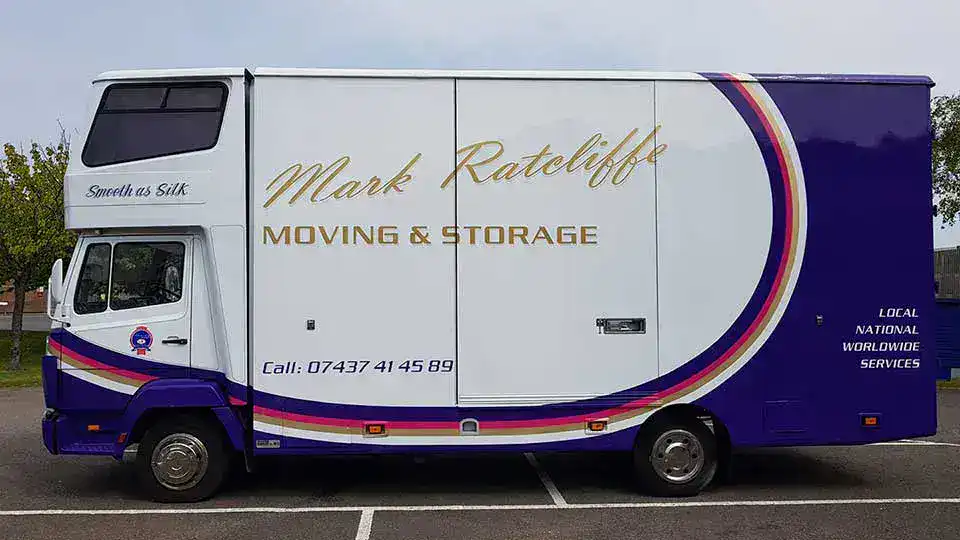
We've been a family-run Sussex remover — the same name on the lorry as the name on the paperwork. Mark personally surveys the high-value and overseas moves; our crews are directly employed (not casual day labour) and trained at our own staff training centre, one of only a handful of UK removers with that facility on site.
Standard inclusions on every full removal: pad-wrap protection for every freestanding piece of furniture, removal-grade cartons, a written and itemised fixed-price quote with no surprises on the day, and the British Association of Removers' Advance Payment Guarantee protecting every deposit. The result, over the years and hundreds of moves, is a 4.9/5 review average across 120+ independent Google reviews.
Booking the survey takes ten minutes. Whether it's a one-bedroom flat across Eastbourne or a country house to overseas, the process is the same: in-home or video survey, written quote within 48 hours, deposit-protected booking, and a calm move day.
If the Sussex end is not ready, the London half of the move can go into our Croydon store and come down later.
Free in-home or video survey, written fixed-price quote, BAR-protected deposit. Sussex’s family-run independent remover.
Single day with one crew for most 3-bed moves. Lorry leaves Lower Dicker at first light, in London by mid-morning, load through the day, return drive 1.5–2.5 hours, unload mid-to-late afternoon. Larger 4–5 bed moves split across two days or two crews.
A typical 3-bed London-to-Eastbourne move sits in the £1,100–£1,500 range. Add £220–£340 for fragile-only packing or £450–£800 for a full pack. The detailed breakdown is in the cost-of-moving guide.
We can advise on the application but the customer applies through the relevant borough council ten working days ahead. Costs vary by borough (£100–£300). Some buildings also need lift bookings — we'll flag this at survey.
Brighton — direct Thameslink route, 54 minutes, frequent. Eastbourne is via Lewes (90 minutes, half-hourly). Hastings is on the slower Charing Cross line (90 minutes, hourly).
Yes — Saturday moves at no premium, Sunday on request. Many London buildings actually require weekend moves because of weekday parking restrictions in pedestrianised areas. We'll work out the right day at survey.