
Narrow lanes, single-track approaches, listed farmhouses and the operational logic of a country move. Here is what changes versus a town move.
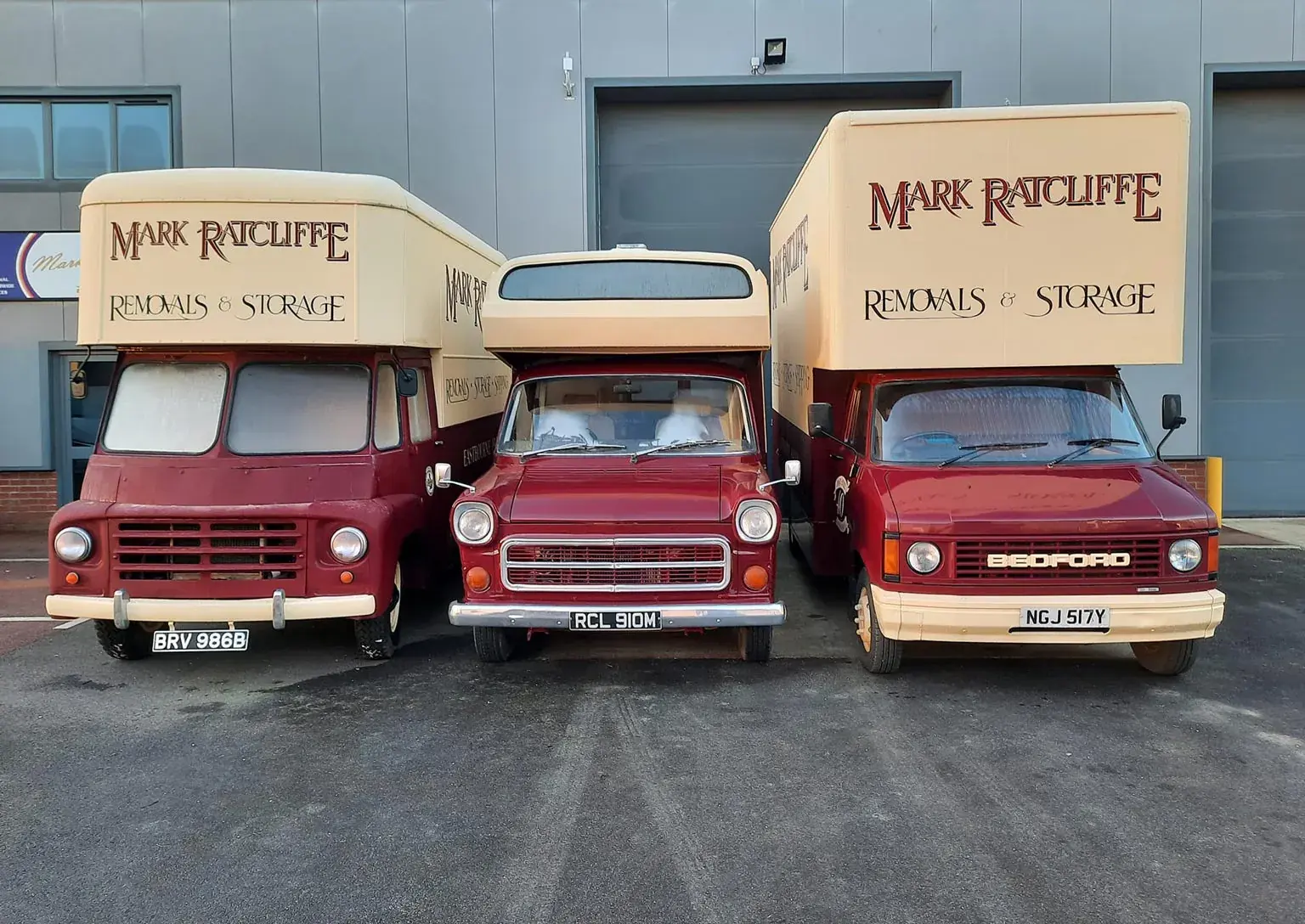
East Sussex’s countryside — the High Weald AONB, the South Downs villages, the Ashdown Forest hinterland — is one of the most-desired rural areas in southern England. Moving into a country property is a meaningfully different exercise from moving into Eastbourne or Brighton. The lanes are narrower, the access is sometimes a challenge, and the property types tend toward listed farmhouses and tile-hung cottages with their own protection requirements.
This guide covers what we’ve learned from years of country moves across Sussex. The detail walks through access, property types, parking and the practical logistics. The aim is to set realistic expectations so the move day doesn’t involve discovering a 6-foot-wide lane that the lorry can’t reach.
The biggest single difference between a town move and a country move is lane access. Many High Weald villages and the rural roads connecting them are barely wider than a 7.5-tonne lorry. Some are too narrow entirely; some have passing places that work most of the time but become tight when a tractor or another HGV is coming the other way.
The fix starts at the survey. Our surveyor drives the route from the main road to the property and identifies any sections that would be problematic for the standard lorry. For genuinely impassable sections, we either use a smaller van (a 3.5-tonne) for the final approach, or we shuttle: large lorry parked legally further out, smaller van shuttling between the lorry and the property.
The shuttle adds time but it’s often the only realistic option. Mention any concerns about access at survey stage and we’ll plan the right vehicle configuration. The listed-building moves guide covers the parallel access considerations for period properties.
East Sussex country property tends to fall into a handful of recognisable types. Tile-hung farmhouses — classic High Weald Sussex, often Grade II listed, with narrow staircases and original fittings. Period cottages — smaller, with low ceilings and stone or brick floors. Barn conversions — modern interiors in original Sussex barn shells, often with double-height ceilings and good access for furniture. Detached country homes — usually post-war or 1960s, on larger plots with garages and outbuildings.
The first two categories (farmhouses and cottages) have the highest operational complexity. Narrow stairs limit which modern furniture pieces can fit upstairs; original beams and plasterwork need protection during the carry-in. Many pieces of modern furniture won’t fit a Tudor farmhouse staircase and need disassembly. Mention any concerns at the survey so we can plan.
The latter two are usually straightforward. Barn conversions in particular are some of the easiest country moves we do; the access from the lane is often a private drive, and the building interiors are designed for furniture rather than against it. Talk to us at survey if you’re weighing different country property types.
Country properties tend to come with serious outbuilding inventory: garden sheds, garages, stables, summerhouses, log stores, greenhouses. Every one of these adds to the move-day volume and the time the load takes. Most customers underestimate the outbuilding contents at first survey.
Garden contents are the other category. Garden furniture, BBQs, garden machinery, plant pots, garden ornaments, the ride-on mower for larger plots. The heavy items guide covers the specifics for ride-on mowers and other heavier equipment.
For very large country properties (4–5+ bed houses with multiple outbuildings and stables), the move sometimes runs across two days rather than a single day. The first day handles the bulk of the house contents; the second day handles the outbuildings and any specialist items. This is sometimes more cost-effective than a two-crew single-day approach.
Our Lower Dicker depot sits on the A22, which gives reasonable access to most East Sussex country areas. High Weald villages (Mayfield, Wadhurst, Crowborough, Heathfield, Forest Row, Hartfield) are within 20–40 minutes’ drive. The Downs villages closer to the coast (Alfriston, East Dean, Friston) are 15–25 minutes.
For country moves, the timing matters because the daylight hours are more constrained. Move day starts at 7am at the depot to be on the property by 7:30–8am for the early part of the day. Unloading at the country property usually finishes by mid-to-late afternoon. For winter moves the daylight constraint is real; for summer moves the timing has more flexibility.
For country moves involving longer routes (the West Country, the Midlands, the North), we sometimes split the move across two days with an overnight stop at the Lower Dicker depot. The lorry is back at our climate-stable storage by evening, the load is secure overnight, and we continue the next day.
Country properties have rural infrastructure realities that town movers don’t encounter. Broadband is usually fibre-to-the-cabinet rather than full fibre, with speeds varying significantly by exact location. Order broadband at least three weeks ahead of move day; Openreach engineer slots can run 3–5 weeks in rural East Sussex.
Mobile signal varies village-to-village. Most of the High Weald has reasonable coverage from the four main networks but pockets of weak signal exist. If working-from-home is part of the plan, check the new property’s signal on your specific network before completion.
Water and electricity are usually mains-supplied. Heating is sometimes oil rather than gas in rural properties — budget for an oil-tank check and arrangements with the oil supplier. The how-to-prepare guide covers the wider admin checklist.
For households moving from town to country, the first few weeks include practical adjustments that aren’t obvious in advance. Wildlife — foxes, badgers, deer, owls, occasionally pheasants — is part of daily life rather than a rare sight. Bin storage needs to be secure; gardens need to expect rabbit traffic; outdoor pet food attracts attention.
For households with horses, livestock or working dogs, the move-day arrangements get more complex. We don’t transport live animals (see moving with pets) but we coordinate around the timing if the customer is handling animal transport separately. Specialist horse-transport firms handle the equine side; we focus on the household contents.
The wider country-living adjustment tends to settle within a month. Local pub, village shop, parish noticeboard, the neighbours who know everyone. For families with school-age children, the village school catchments are smaller and often closely-knit; school admin is generally easier than in town. The best-areas guide covers the wider rural-vs-town decision.
We've been a family-run Sussex remover — the same name on the lorry as the name on the paperwork. Mark personally surveys the high-value and overseas moves; our crews are directly employed (not casual day labour) and trained at our own staff training centre, one of only a handful of UK removers with that facility on site.
Standard inclusions on every full removal: pad-wrap protection for every freestanding piece of furniture, removal-grade cartons, a written and itemised fixed-price quote with no surprises on the day, and the British Association of Removers' Advance Payment Guarantee protecting every deposit. The result, over the years and hundreds of moves, is a 4.9/5 review average across 120+ independent Google reviews.
Booking the survey takes ten minutes. Whether it's a one-bedroom flat across Eastbourne or a country house to overseas, the process is the same: in-home or video survey, written quote within 48 hours, deposit-protected booking, and a calm move day.
Free in-home or video survey, written fixed-price quote, BAR-protected deposit. Sussex’s family-run independent remover.
Rural East Sussex is one of the most-desired relocation destinations in southern England for good reasons. The lifestyle differential from town living is real and largely positive. The move-day logistics need a little more planning than a town move, and the post-move adjustments (rural infrastructure, neighbour relationships, the daily wildlife) are real but settle inside a month for most households. Talk to us at survey if you’re weighing a move into the country — we’ll know the area and the route.
If you’re weighing this move and want a second view, the free survey takes ten minutes and we’ll come back within 48 hours with a fixed-price quote and a clear plan for your specific situation. Years of Sussex moves behind every survey.
Most, yes. For genuinely narrow lanes we use a smaller van or shuttle from a parked larger lorry further out. We'll drive the route at survey and plan accordingly.
Yes — building protection (corner-board, soft floor coverings) plus standard pad-wrap. Narrow stairs sometimes require furniture disassembly; we'll spot this at survey.
Significantly — country properties usually have substantial shed, garage and outbuilding inventories that customers underestimate. The survey covers it; the quote itemises by line.
Order at least 3 weeks ahead — Openreach engineer slots in rural areas can run 3–5 weeks. Most areas have fibre-to-the-cabinet; speeds vary by exact location.
Many country properties use oil rather than mains gas. Check the tank level before completion; arrange a supplier relationship in the first week. Water and electricity are usually mains-supplied.