
Short days, frosty mornings, occasional snow. Winter moves are the quietest season for the industry — and the easiest to plan around if you know the variables.

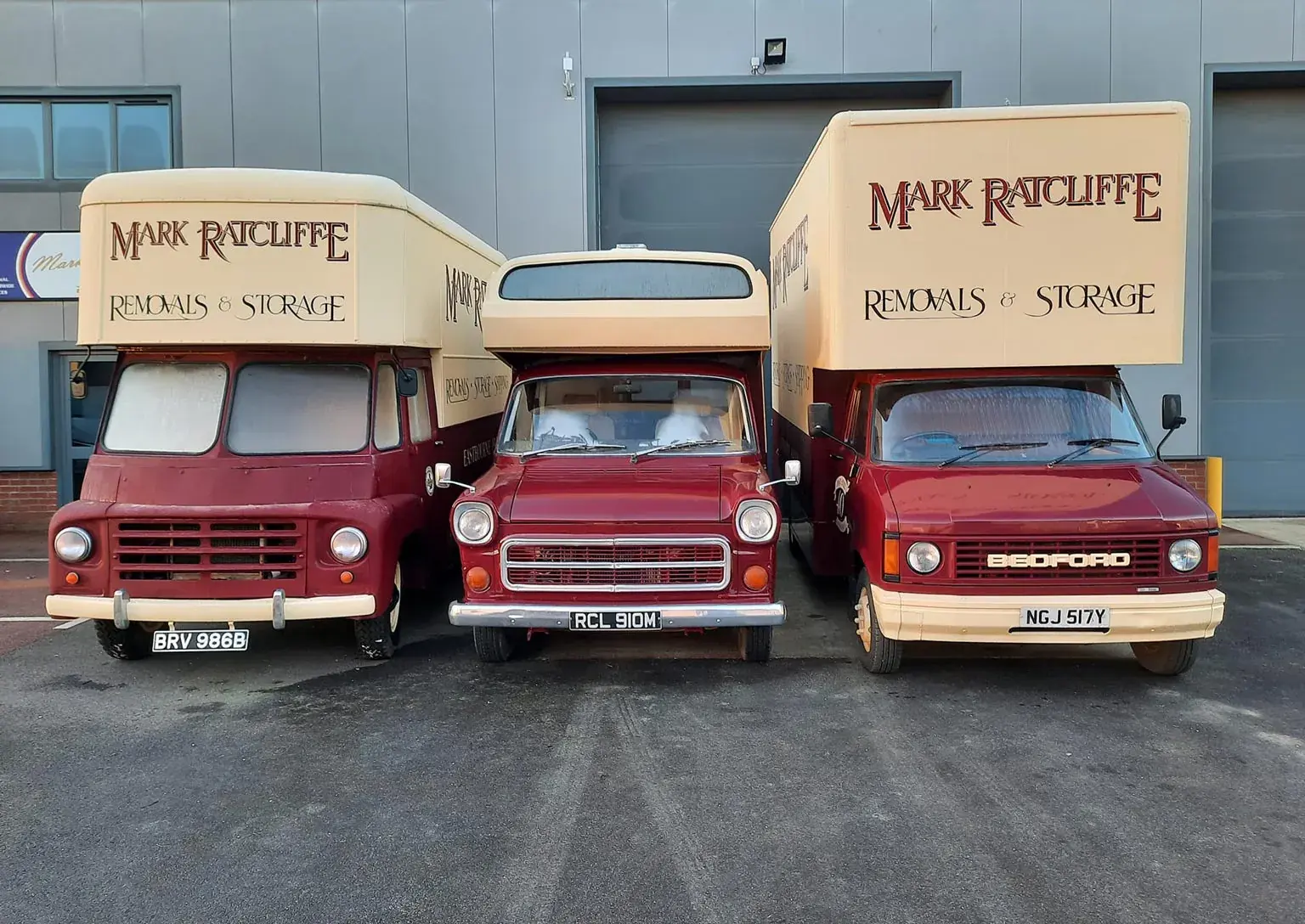
Winter is the quietest season in the UK removals industry — November through February sees roughly half the volume of the May-to-September peak. For customers willing to move outside the summer rush, this means more diary flexibility, easier survey scheduling, and sometimes a modest discount on quotes. From years of Sussex removals we’ve learned exactly how to plan a winter move so the weather doesn’t become a problem.
The three big winter variables are short daylight, cold temperatures (and occasional snow or ice), and the heating-and-condensation question for storage and the new property. This guide covers each, plus the practical clothing, vehicle and crew considerations for a calm winter move day.
The first practical winter variable is daylight. UK sunrise in December and January is around 8am, sunset around 4pm — meaning effective working light from 8:30am to 3:30pm. A typical 3-bed move loads in 4–5 hours; if loading starts at 8am it finishes in good light. For 4–5 bed moves the loading can run past dark, which is workable but slower.
Our winter standard is to start the crew at the depot at 6:30am so we’re at your property by 7:30am — half an hour earlier than the summer standard. The aim is to maximise productive daylight for the load. Unloading at the new property usually finishes by mid-afternoon for routine moves; longer-distance or larger moves may need lorry headlights and a portable LED at the unload end.
If your move involves a long drive (London-to-Sussex, the West Country, the North), the daylight question shifts to driving safety. We avoid scheduling a winter overnight stop where possible; the lorry is back at our Lower Dicker depot before dark if at all possible. For winter international moves see international removals — the customs holding bay is climate-controlled regardless of season.
Cold temperatures affect several categories of household possession. Electronics with lithium-ion batteries (laptops, power tools, e-bikes) lose capacity in cold and the batteries themselves can degrade if stored below freezing for extended periods. For winter moves we recommend removing batteries from sensitive devices and transporting them in your own car.
Liquids freeze. Wine, water-based cleaning products, watered-down paint, certain shampoos and toiletries can all freeze in an unheated lorry on a long winter journey. For shorter moves (under three hours) this isn’t usually an issue; for longer hauls, pack liquids in a thermal bag with a hand warmer or transport them in your own car.
Plants in pots that freeze can crack — both the pot and the plant. Pad-wrap protects against impact but not against freezing. Plants travel with you in the car for winter moves wherever practical. For valuable specimen plants (citrus trees, large bay trees, established camellias), talk to us at survey and we’ll arrange specific protection or recommend rescheduling if a heavy frost is forecast.
UK snow is unpredictable but rarely severe enough to stop a Sussex move. We’ve had one or two days a year over the years where conditions actually became unworkable; the rest of the time the lorry runs as normal with winter tyres and the crew adjusts pace. Our diary policy: we don’t cancel a winter move unless conditions are genuinely dangerous, and if we do cancel we reschedule at the earliest possible date with no extra charge.
If your move date forecasts snow or ice, talk to us 24 hours ahead. We’ll monitor the Met Office warnings and either run as normal, start earlier, or reschedule. For chain-day completions the chain itself often controls the timing — if everyone else in the chain is going ahead, we’ll go ahead too. If conditions are unworkable we’ll discuss alternatives with you and your conveyancer.
Practical kit for the crew on snowy days: grit for the front path (we bring some, you can have some on standby), salt-tolerant pad-wrap blankets (the depot keeps a dedicated winter set), and waterproof footwear and gloves. The customer’s job is to ensure paths are gritted, the front door area is accessible, and any external steps are de-iced. If you’re not physically able to do this, mention it at survey and we’ll arrange.
The biggest invisible winter risk is condensation. When cold contents (from an unheated lorry) move into a warm house, the temperature differential causes moisture to condense on the cold surfaces. Furniture, paperwork, electronics, photographs — all at risk if they move from cold to warm quickly.
The fix is climate-stable storage if anything is going into the depot between completion dates. Our Lower Dicker depot is insulated and ventilated, which prevents the cold-vs-warm differential that drives condensation. Customers using non-climate-stable storage (cheaper but unsuitable for winter long-term holding) sometimes find boxes of photos and books arriving damp at the destination. The storage-format guide covers the difference in detail.
At the new property, the equivalent fix is gentle warming. Don’t blast the heating immediately after the lorry has unloaded into a cold house — the temperature shock causes condensation. Set the heating to come on gradually over a few hours rather than going from 8°C to 22°C in 15 minutes. For valuable contents like antiques and pianos (see antiques moving), this gradual warming is genuinely important.
Walk into the new property knowing where the heating system controls, fuse box, water stopcock, and the cooker isolator are. The previous owner may or may not have left clear instructions; the property survey or estate-agent move-in note usually flags any quirks. If the heating doesn’t come on within an hour of arrival, escalate to a local heating engineer rather than waiting for goodwill.
Order broadband well ahead of move day. Openreach engineer appointments in East Sussex routinely run 2–3 weeks out, so booking should happen 4 weeks ahead at minimum. Winter is when home-working pressure makes broadband particularly critical; the ‘first week without internet’ problem is harder to live with in November than in July.
The other utility setup tasks — gas, electric, water, council tax — are the same as any season. Photograph meters on arrival, submit readings the same day, set up direct debits in the first week. The how-to-prepare guide covers the full admin checklist for the first week.
Winter move day clothing isn’t glamorous but it matters. Layers (you’ll be moving between cold outdoor air and warmer indoor space all day), waterproof boots (front paths get muddy quickly), waterproof jacket and gloves, and a beanie or warm hat. The crew is dressed for this; the customer often isn’t. Cold hands and feet make the day significantly harder than it needs to be.
For the car: full tank of fuel the night before (winter mornings are not the time to discover the petrol station queue), de-iced and ready to go from the early start, screenwash topped up, tyre pressures checked. If you’re driving anything precious (the houseplants, the pets, the children, the document folder) the car comfort matters.
Family comfort plan: a thermos of hot drink, sandwiches and snacks for the journey, a blanket for the dog, the children’s warm coats packed accessibly rather than in the lorry. The first cup of tea at the new house is one of the small move-day pleasures regardless of season; in winter it’s genuinely warming. The survival kit guide covers the essentials.
We've been a family-run Sussex remover — the same name on the lorry as the name on the paperwork. Mark personally surveys the high-value and overseas moves; our crews are directly employed (not casual day labour) and trained at our own staff training centre, one of only a handful of UK removers with that facility on site.
Standard inclusions on every full removal: pad-wrap protection for every freestanding piece of furniture, removal-grade cartons, a written and itemised fixed-price quote with no surprises on the day, and the British Association of Removers' Advance Payment Guarantee protecting every deposit. The result, over the years and hundreds of moves, is a 4.9/5 review average across 120+ independent Google reviews.
Booking the survey takes ten minutes. Whether it's a one-bedroom flat across Eastbourne or a country house to overseas, the process is the same: in-home or video survey, written quote within 48 hours, deposit-protected booking, and a calm move day.
Free in-home or video survey, written fixed-price quote, BAR-protected deposit. Sussex’s family-run independent remover.
Sometimes 5–10% lower than summer peak, plus more diary flexibility. The crew rates are identical; the saving comes from quieter demand. Worth considering if your completion timing allows.
We monitor Met Office warnings 24 hours ahead and discuss with you if conditions are forecast. Most UK snow doesn't stop a Sussex move; in genuinely dangerous conditions we reschedule at no extra charge.
Standard household contents are fine. Liquids, plants and electronics with lithium-ion batteries are the categories to watch for long-distance winter moves. Transport these in your own car where practical.
Yes — moving cold contents into a warm house causes moisture to condense on the cold surfaces. Use gradual warming (not blast heating) at the new property and climate-stable storage for any between-contract holding.
Half an hour earlier than summer — depot 6:30am, on your driveway by 7:30am. The aim is to maximise productive daylight for the load.