
Summer is the peak removals season and the trickiest weather to plan around. Here is how a Sussex remover handles July and August moves.

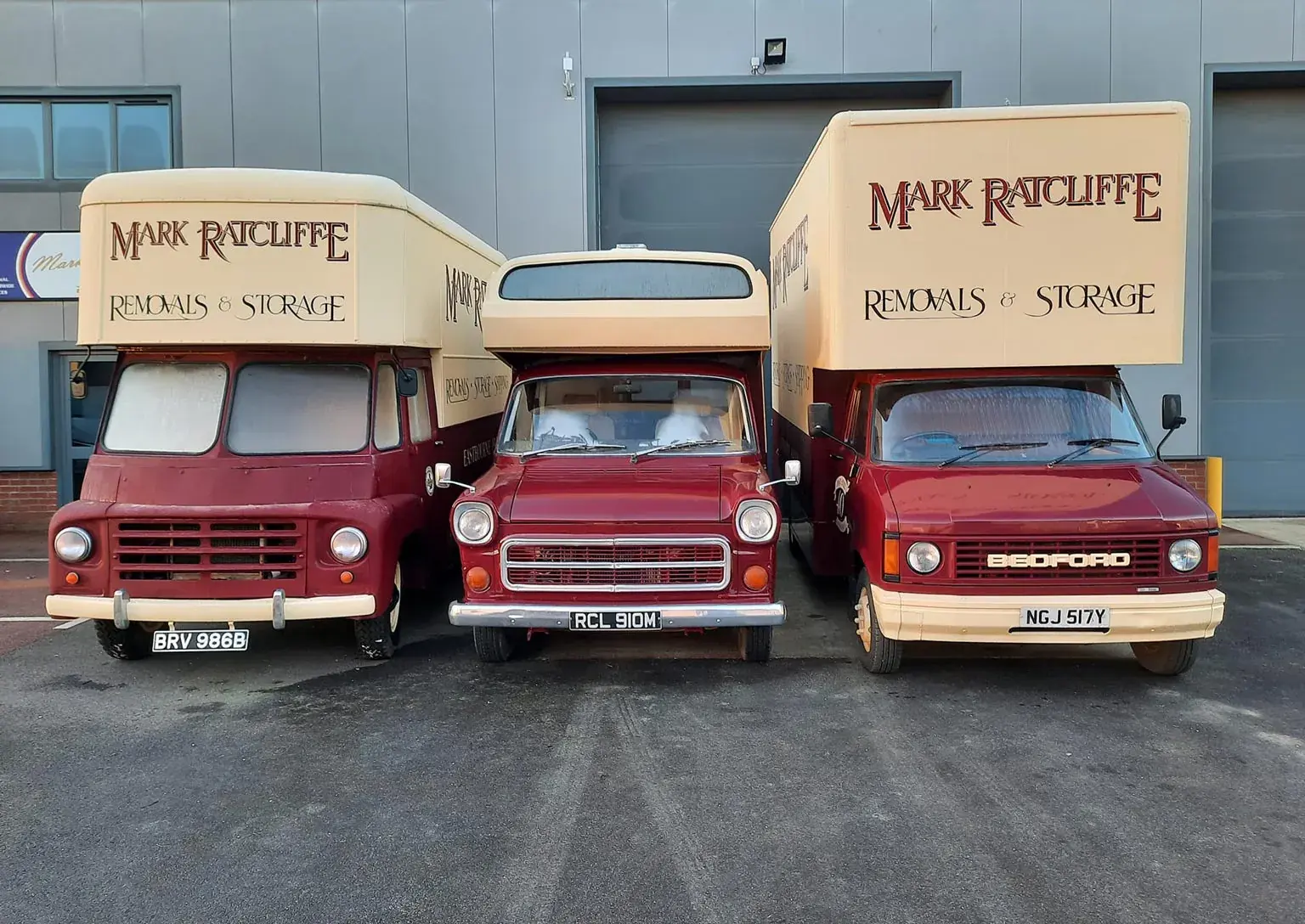
May through September is the peak season for UK house moves and consistently the busiest months on our diary. It’s also the trickiest weather to plan around — hot lorries, dehydrated crews, melted candles, fading furniture, and the constant tension between starting early to beat the heat and starting late enough that the customer is actually awake. From years of summer Sussex moves we’ve refined the approach. This guide walks through it.
The three big summer-specific considerations: protecting your belongings from heat, keeping the crew (and yourself) safe and hydrated, and timing the move-day schedule around the hottest hours. The detail below covers each in practical terms.
Summer slots fill faster than any other time of year. End-of-July and August dates routinely book up 10–14 weeks ahead. Mid-week mid-month August dates are slightly easier but still competitive. If you have a specific summer date in mind — particularly the school-holiday period — get the survey booked at the earliest possible point.
Saturday moves in July and August often need booking 12+ weeks ahead. Sunday moves are sometimes available with shorter notice but at a premium across most of the industry. Mid-week (Tuesday, Wednesday, Thursday) mid-month dates in June or early September are usually 15–20% easier to slot and sometimes cheaper. Worth considering if your completion timing allows flexibility.
If your move is in the school summer holidays (late July through August), confirm that any school transitions are administratively in hand. The school-holiday move guide walks through the considerations and the Eastbourne schools guide covers admissions deadlines.
Several categories of household possession suffer in summer transit. Candles melt and stain everything around them — pack candles separately, ideally in cool boxes with ice packs if the move is more than a couple of hours’ drive. Wax records and vinyl warp in heat — pack vertically, never flat, away from direct sun in the lorry.
Electronics with lithium-ion batteries (laptops, power tools, e-bikes) can degrade in extended summer heat. For long-distance summer moves, remove the batteries and pack them separately, ideally in your own car. Photographs, paintings and framed art are at higher risk in summer because heat plus humidity accelerates fading and adhesive failure; our fragile-packing guide covers the materials and methods.
Anything edible (chocolate, oils, wine) needs particular care. Wine and spirits prefer cool, dark, low-vibration transit; if you have a serious wine collection consider professional wine-relocation specialists rather than standard removal. Olive oil and other liquid foods can leak in heat — wrap bottle lids in electrical tape, line cartons with bin liners. For all these issues talk to us at survey and we’ll work the cool-box logistics into the plan.
The single best move-day-summer strategy is the early start. Our summer crews typically leave the depot at 6am to be on the property by 7am. Loading from 7am to 11am beats the worst of the midday heat; the lorry is moving (and therefore the load is in motion-cooled air) by lunchtime; the unload happens between 1pm and 5pm at the new property.
Hydration is genuinely critical. Removal crews work hard physically and in summer the calorie and water requirements are higher than people realise. We carry chilled water on every summer job and our crews take 10-minute breaks every 90 minutes. If you’d like to support the crew, leaving a kettle, mugs, biscuits and ice for cold water available throughout the load is a small kindness that pays back in pace.
For you and the family, the same applies. Hat, sunscreen, water bottle. The work of supervising a move and walking between two properties on a hot day is more tiring than people expect. Take regular short rests, ideally indoors with the curtains closed against the sun. The moving-day survival kit guide covers the essentials.
Summer is the hardest season for transporting plants. Houseplants survive 4–8 hours in a closed lorry on a hot day but anything longer than that risks heat damage, particularly for the more delicate varieties. For long-distance summer moves, plants typically travel with you in the car with the windows cracked.
Garden plants in pots — bay trees, olive trees, large potted shrubs — are heavy and bulky in lorries and need extra protection. We pad-wrap them like furniture using our pad-wrap method and stand them upright. Watered plants are heavy and more likely to leak; water deeply 24 hours before move day, then don’t water on the day itself.
For items in the garden shed — bags of compost, fertilisers, weedkillers, BBQ accessories — most of these are fine in summer lorry transit but the chemical category needs care. Don’t pack anything with the warning “keep away from direct sunlight” in a lorry that will sit in 30-degree heat. Talk to us at survey about anything questionable.
On the lorry itself we manage heat through a few standard practices. Loading order: lightest and most heat-sensitive items go in last (top of the load), heaviest and least heat-sensitive items go in first (bottom). This keeps the most-vulnerable items in the cooler part of the lorry near the door and accessible if a stop is needed.
For long-distance summer moves we plan rest stops that allow the lorry door to be opened in shade, refreshing the internal air. For overnight stays (where storage between completion dates is needed), the load goes into our climate-stable Lower Dicker depot overnight rather than sitting in a lorry on a depot yard.
Particularly for international moves in summer (see international removals), the customs holding period at the depot is climate-controlled. Containerised shipments are ventilated. The whole logistic chain accounts for heat as a variable in a way that the customer rarely sees but which makes a real difference to what arrives intact.
At the new property, the first job after the crew leaves is to get cool air moving through the house. Open the windows top and bottom; if the new property has air conditioning, set it to a moderate cooling cycle (not blast cold — that’s wasteful and uncomfortable). Many of the boxes have been in a hot lorry for hours; airing the house also airs the cartons before you start unpacking.
Unpack the bedroom first (so beds are made up before bedtime in the heat), then the kitchen (so cold drinks are accessible), then the bathroom. The same order works in summer as it does any season — see the packing-order guide — but the urgency around the kitchen is higher in summer because of dehydration risk.
If you’ve moved in extreme heat (over 30 degrees C), check sensitive contents within 24 hours of unloading rather than weeks. Wine in particular can suffer subtle damage that’s only obvious at first opening. Photographs and paintings should be inspected within a week of move day. Any concerns, contact us — standard goods-in-transit insurance covers transit damage including heat-related issues on professionally-packed contents.
We've been a family-run Sussex remover — the same name on the lorry as the name on the paperwork. Mark personally surveys the high-value and overseas moves; our crews are directly employed (not casual day labour) and trained at our own staff training centre, one of only a handful of UK removers with that facility on site.
Standard inclusions on every full removal: pad-wrap protection for every freestanding piece of furniture, removal-grade cartons, a written and itemised fixed-price quote with no surprises on the day, and the British Association of Removers' Advance Payment Guarantee protecting every deposit. The result, over the years and hundreds of moves, is a 4.9/5 review average across 120+ independent Google reviews.
Booking the survey takes ten minutes. Whether it's a one-bedroom flat across Eastbourne or a country house to overseas, the process is the same: in-home or video survey, written quote within 48 hours, deposit-protected booking, and a calm move day.
Free in-home or video survey, written fixed-price quote, BAR-protected deposit. Sussex’s family-run independent remover.
10–14 weeks ahead for the May–September peak, particularly Saturday dates and the school-holiday period (late July through August). Mid-week mid-month dates in June or early September are easier to slot.
Standard household contents are fine in normal summer transit. The categories that need extra care are candles, vinyl records, photographs, wine, electronics with lithium-ion batteries and any chemicals labelled to avoid heat. We work cool boxes into the plan at survey.
Yes, with early starts (6am depot, 7am at property) and frequent breaks. We carry chilled water and take 10-minute rests every 90 minutes. The unload finishes by mid-afternoon to avoid the hottest hours.
Houseplants for short moves, yes. For long-distance summer moves, plants travel with you in the car with the windows cracked. Large potted garden plants — bay trees, olives — go pad-wrapped upright in the lorry.
The lorries are insulated and ventilated, not air-conditioned in the load space. For genuinely temperature-sensitive contents (wine collections, fine art) we recommend specialist climate-controlled transport on top of our standard service.