
Kids feel the upheaval of a house move more than adults realise. Here is what a family-run remover has learned about keeping the whole household sane.

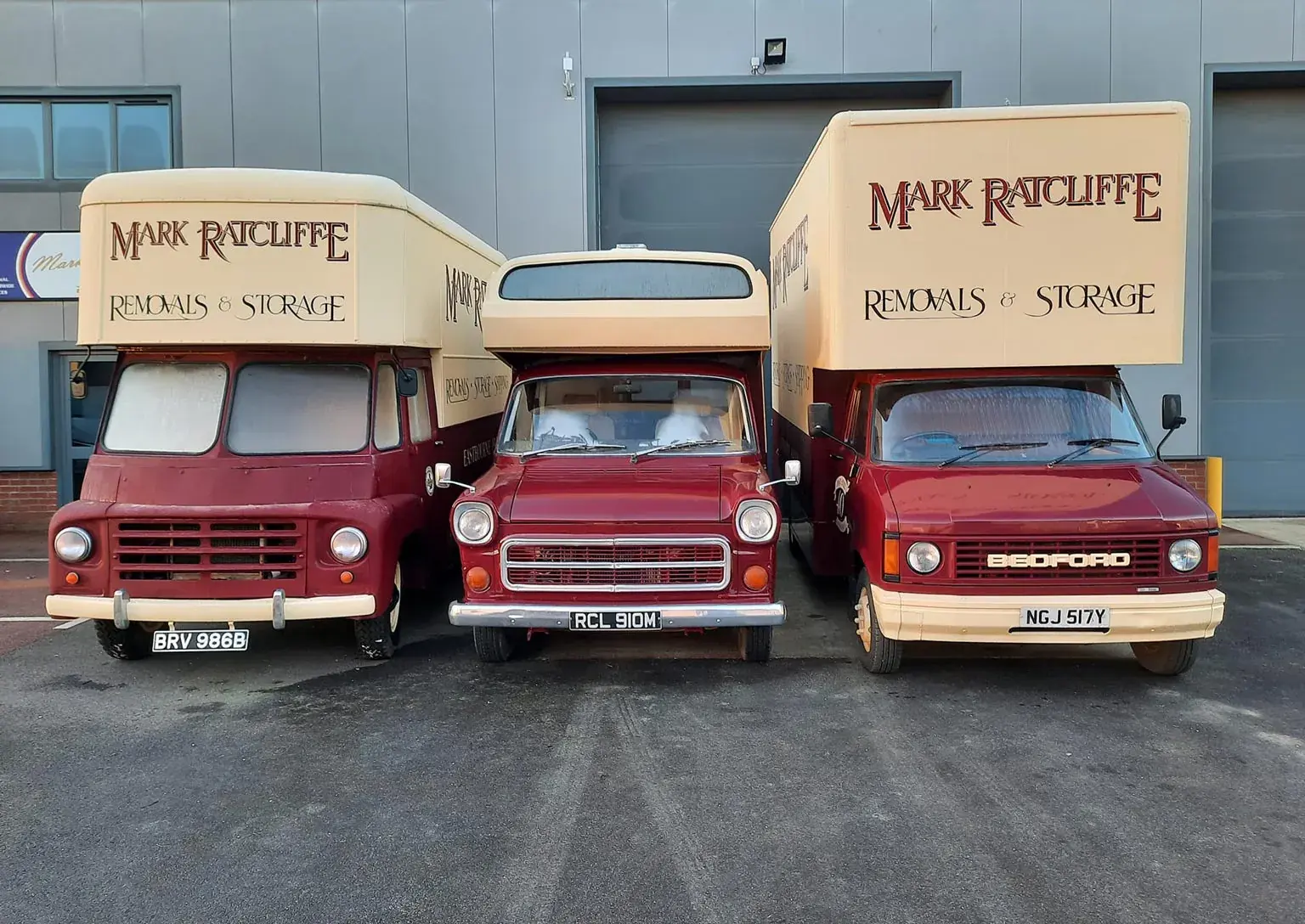
A house move is one of the higher-stress life events for adults — for children it can be even more disorientating. Their bedroom is taken apart, their toys vanish into boxes, their familiar street disappears overnight, and the grown-ups around them are visibly more anxious than usual. After running family-home removals across Sussex for years we’ve seen what works to keep children settled and what doesn’t. This guide collects the practical advice we give every family at survey stage.
The principle is straightforward: include the children in the process where you can, keep their familiar items together until the last moment, and plan the actual move day so they don’t spend it bored in an empty house. The details below break this down by age band — toddlers, primary-school children, and teenagers all need different things.
Children handle change much better when they understand it. For toddlers, that means a simple story-book explanation a fortnight before move day: “we’re going to live in a new house with a new garden”. For primary-age children, give them a calendar with the move date marked and a small countdown they can tick off; this turns the unknown into something concrete. For teenagers, treat them like co-conspirators — share the floor plans, let them choose their new bedroom, ask their opinion on paint colours.
Visit the new house with the children at least once before move day if it’s practical. Familiarity reduces anxiety. Show them their future bedroom, the garden, the local park, the nearest sweet shop. Take a photo of each space so they can look at it during the run-up. If you’re moving from London to Sussex or a similarly long move, a weekend visit is well worth the travel cost.
Pack a small box of their favourite things last and unpack it first at the new house — favourite teddy, two or three books, a small toy, the pillow they’ve always slept on. This is the children’s version of the adult ‘first-night carton’ (covered in the packing-order guide). Knowing that bedtime will look and feel familiar is half the settling battle.
The single biggest practical question is what to do with the children on move day itself. The honest answer: somewhere else, if at all possible. The lorry, the crew, the dismantled house, the parents focused on logistics — none of this is fun for a child. Grandparents, friends, paid childcare for the day, school holidays days at a local club. Whatever works.
If they have to be at the property, set up a single safe space for them — usually the front sitting room or a quiet bedroom — with their favourite activities, snacks, drinks and a charged tablet or screen. Keep that room off-limits to the crew until everything else is packed. This stops them being underfoot during loading and gives them a base.
For the actual travel to the new house, pack a clearly-labelled overnight bag for each child: two days’ clothes, toothbrush, pyjamas, favourite teddy, two books, a portable game or activity. This bag travels in your car, not in the lorry. If the lorry runs late (it sometimes does — completion-day chains slip), you can still get the children fed, washed and into a familiar pair of pyjamas at the new house.
The instinct is to unpack everything as fast as possible. The better approach with children: set up THEIR rooms first, even before the parent bedroom. A familiar bedroom by bedtime on move day is the single biggest contributor to a calm first night. Pad-wrapped furniture from our pad-wrap method can be carried in still wrapped and unwrapped in their final position — so beds, wardrobes and chests of drawers can be set up quickly in the children’s rooms.
Get the kitchen functional next — the kettle, the breakfast things, one set of plates and cutlery per family member. The order matters: kids want familiar food, parents want tea, and nobody wants to be searching for the toaster on the morning after move day. The detailed kitchen order is in the kitchen-packing guide.
Walk the neighbourhood with the children on the first afternoon — find the nearest park, the local shop, the bus stop, the school if it’s pre-term. A short walk shifts the new house from ‘a strange place’ to ‘our area’ surprisingly quickly. Photograph each landmark; some kids like to make a map.
If your move involves a school transition (between primary and secondary, or between schools mid-year), the timing matters more than the location. Mid-year transitions are harder than between-year-group ones. If you have any flexibility on the move date, aligning with the summer holidays — late July, August, early September — is the best single thing you can do.
For East Sussex moves where school catchments are part of the decision, get the application in well before the published deadline. East Sussex County Council’s admissions process has hard cut-off dates and out-of-catchment applications are competitive. The Eastbourne area guide walks through the local schools and the best-areas-in-East-Sussex guide covers the wider county.
Once school transfers are confirmed, contact the new school directly to ask about settling-in support. Most state primaries and secondaries have a system for new arrivals — a buddy, a class introduction, a meet-the-teacher session. Pushing for this in the first week of term makes a meaningful difference.
Pets and children together on move day are a particular challenge. If you have a dog or cat, arranging for them to spend move day with friends or family helps both pets and kids — the children see less stress in the household and the pets see less chaos. The full pet-specific guide is at moving with pets.
Move-day noise can be genuinely distressing for younger children. Removal lorries, crew chatter, doors slamming, furniture being lifted. Headphones and a tablet with a favourite show help. So does giving the child a specific small ‘job’ — packing their favourite toys into a labelled box, being the ‘keeper of the snacks’, supervising a teddy bear who isn’t allowed in the lorry.
For high-value items going in the lorry — antiques, art, anything precious to the family — explain to older children that these items get extra protection (our white-glove service or antiques moving options). Knowing the family treasures are being looked after carefully is reassuring in its own way.
Once the dust has settled and the boxes are mostly unpacked, the post-move week is when the cumulative tiredness shows. Build in some downtime — a family meal at the new local pub, a Saturday morning park visit, a takeaway evening. The temptation to power through the unpacking can leave everyone exhausted by week two.
For the admin side: register the children with the new GP and dentist in the first week (waits can be 4–8 weeks for appointments). Update the address with the school, any after-school clubs, the GP records, the children’s health visitor records. The how-to-prepare guide has a full admin checklist.
Last point: the children may show the impact of the move two or three weeks after the actual day, not on the day itself. Sleep disturbance, clinginess, lower mood are all common and almost always resolve inside a month. If the patterns persist past a few weeks, the new school’s pastoral team or the GP can help. Most families are completely settled six weeks in.
We've been a family-run Sussex remover — the same name on the lorry as the name on the paperwork. Mark personally surveys the high-value and overseas moves; our crews are directly employed (not casual day labour) and trained at our own staff training centre, one of only a handful of UK removers with that facility on site.
Standard inclusions on every full removal: pad-wrap protection for every freestanding piece of furniture, removal-grade cartons, a written and itemised fixed-price quote with no surprises on the day, and the British Association of Removers' Advance Payment Guarantee protecting every deposit. The result, over the years and hundreds of moves, is a 4.9/5 review average across 120+ independent Google reviews.
Booking the survey takes ten minutes. Whether it's a one-bedroom flat across Eastbourne or a country house to overseas, the process is the same: in-home or video survey, written quote within 48 hours, deposit-protected booking, and a calm move day.
Free in-home or video survey, written fixed-price quote, BAR-protected deposit. Sussex’s family-run independent remover.
If at all possible, no. Grandparents, friends, holiday club, paid childcare — whatever works. The lorry, the crew, the dismantled house, the parents focused on logistics — none of this is fun or safe for a child. If they have to be there, set up a single off-limits room for them.
Toddlers: a fortnight before, with a simple story-book explanation. Primary-age: 4–6 weeks before, with a calendar countdown they can tick off. Teenagers: as early as the decision is made; they want to feel consulted rather than informed.
Two days' clothes, pyjamas, toothbrush, favourite teddy, two books, charged tablet or activity, snacks, water bottle. Travel with you in your own car, not in the lorry. If the lorry's delayed, the children are still set for the night.
Yes — set up their rooms before the parent bedroom. A familiar bedroom by bedtime on move day is the single biggest contributor to a calm first night. Pad-wrapped furniture can be carried in still wrapped and unwrapped in its final position quickly.
Yes — let us know at survey if you have a baby or a child with sensory sensitivities and we'll brief the crew. Loading and unloading make noise, but we can manage the chatter and the timing of the more disruptive activities around quiet hours.