
Container shipping, the strict Australian and New Zealand quarantine rules, real costs and the long timelines — how a Sussex household reaches the other side of the world.

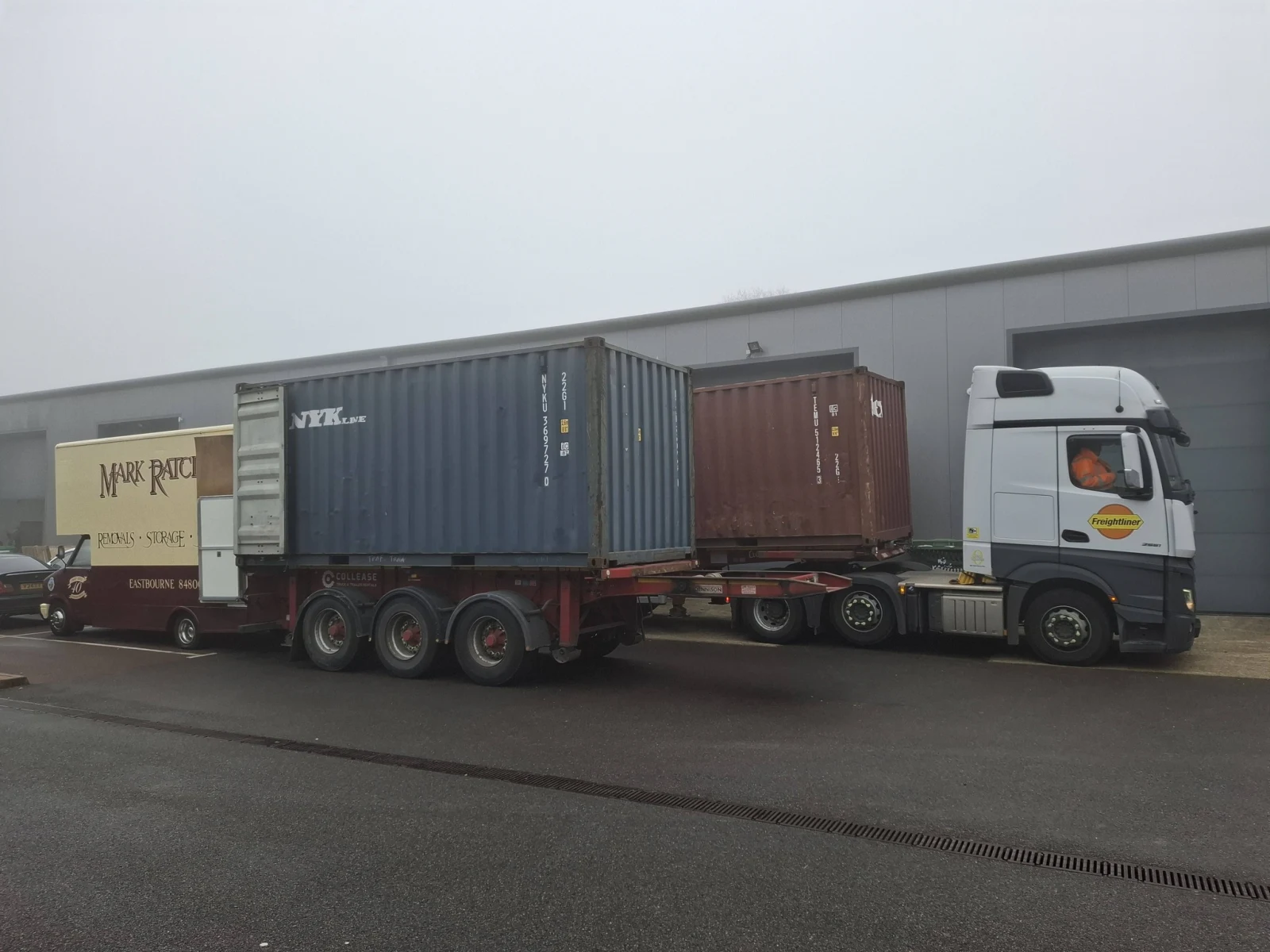
Moving to Australia or New Zealand from the UK is the longest haul we handle — a container voyage of four to six weeks each way — and the one where quarantine, not distance, is the make-or-break detail. Since 2017 we’ve sent Sussex homes to Sydney, Melbourne, Perth, Brisbane, Auckland and Wellington, and we know exactly what AQIS and New Zealand’s MPI inspect for. It is a sea-freight job that needs export-grade packing, scrupulously clean goods and FIDI-network partners at the destination. We are a BAR Overseas Group member, fully insured for the voyage. Our Australia & New Zealand service handles the whole chain. These are the longest, most carefully-planned moves we do, and the ones where preparation pays off most — a clean, well-documented shipment clears quarantine quickly while a careless one is held for weeks. This guide walks through the shipping options, the biosecurity rules that catch people out, what the move costs and the timeline you should plan around, so your move to Australia or New Zealand starts on solid ground.
The draw is lifestyle: space, climate, outdoor living, strong economies and a shared language. Many of our movers are following family who emigrated earlier, taking up a skilled-migration or employer-sponsored visa, or retiring to be near grandchildren.
Both countries are popular enough that the shipping lanes are well served and the FIDI-network partners are experienced — but the visa and quarantine systems are strict, so planning matters more than on a European move.
Almost every move goes by sea. A full container (FCL) — 20ft or 40ft — suits a whole home and is loaded and sealed at your UK address. A shared container (LCL groupage) suits part-loads and downsizers, sharing the box with other households heading to the same port. Air freight is available for urgent essentials but is expensive over this distance.
Sea freight sails to Sydney, Melbourne, Brisbane, Fremantle (Perth), Auckland or Wellington. The voyage alone is four to six weeks one way, which dominates the timeline.
Australia and New Zealand run the strictest biosecurity regimes we deal with. Anything that has touched soil, plants or animals — garden tools, outdoor furniture, bicycles, golf clubs, vacuum cleaners, footwear — must be scrupulously clean, and wooden items may need fumigation or inspection. Food, seeds, plant material and many natural items are prohibited outright.
Goods are inspected on arrival; anything failing biosecurity is cleaned, treated or destroyed at the owner’s cost, with delays. We brief you in detail at the survey and pack to the standard the inspectors expect — getting this right is the single biggest favour you can do your own move.
Most household contents are fine, but the prohibited and restricted lists are long: no fresh or packaged food, no seeds or plant material, no untreated wood products in some cases, and strict rules on anything organic. Firearms need permits; medicines need documentation.
Used cars can be imported but the rules and costs are significant and usually handled by a specialist. We provide the destination country’s current prohibited-items list at survey so nothing is packed that shouldn’t be.
As a 2026 guide, a sole-use 20-foot container from Sussex to Sydney, Melbourne, Perth or Brisbane runs £6,500–£9,500 all-in, and a 40-foot £8,500–£13,500. A shared-container part-load is quoted per cubic metre at £180–£260 and suits smaller moves. There is no UK VAT to add: international removals are zero-rated. Full detail on our removals to Australia and New Zealand page.
The fixed costs — customs, quarantine inspection, port handling, marine insurance — are substantial on this route, which is why small shipments can feel dear per cubic metre. We quote fixed-price after a free survey, itemised so you see each line.
Allow six to twelve weeks door to door. The sea voyage alone is four to six weeks; add UK packing and customs, destination port handling, quarantine inspection and final delivery.
Because you’ll almost certainly arrive before your container, plan for serviced accommodation in the gap and pack an air-freight or accompanied-baggage set of essentials to bridge it. We help you plan the sequence at the survey.
Our FIDI-network partner at the destination handles local customs, quarantine and delivery, so you deal with us at the UK end and a vetted local firm at the other. They deliver, place furniture and remove packing once the goods clear inspection.
The first weeks typically go on visas and residency formalities, a local bank account, a tax file number and utilities. For settled emigration the household import is usually duty-free, subject to the paperwork.
We’re a small, owner-managed Sussex firm doing this since 2017. We don’t pretend the quarantine rules are simple — we brief you honestly and pack to pass inspection, which is what separates a smooth arrival from a held container.
Every shipment is fully insured for the voyage and held to the BS 8564 standard. Read our reviews or call Mark on 01323 848 008.
On the Australian side we ship most often to Sydney, Melbourne, Brisbane and the Gold Coast, Perth, and Adelaide, served by the ports at Sydney, Melbourne, Brisbane and Fremantle. In New Zealand, Auckland, Wellington and Christchurch are the regular destinations, via Auckland and other ports.
An interior destination — Canberra, regional Queensland, the South Island beyond the ports — adds a road leg from the arrival port, which we plan into both the timeline and the quote. Our FIDI-network partners at each major port handle the local customs, biosecurity and delivery.
Packing for Australia and New Zealand is as much about biosecurity as protection. Outdoor items — garden tools, furniture, bicycles, golf clubs, footwear, vacuum cleaners — are cleaned to remove any trace of soil or plant material before they’re packed, because that is exactly what inspectors look for.
Furniture is pad-wrapped and fragiles go into export double-wall cartons for the four-to-six-week voyage; wooden items are packed so they can be inspected or treated without damage. A clean, well-documented shipment clears biosecurity quickly — a dirty one is held, cleaned at your cost, and delayed.
Over a voyage this long and this far, marine cargo cover is essential, and for most households a warehouse-to-warehouse all-risks policy is the right level — it protects your goods from the moment they leave your UK home to the moment they’re placed in your new one.
We value the shipment with you at the survey and explain what each level covers. For the high-value pieces that often make these moves — antiques, art, instruments — individual scheduling ensures they’re insured for full value rather than an average rate across the load.
Australia and New Zealand reward early planning. Ten to twelve weeks out: survey, fixed quote, deposit, and a careful brief on biosecurity. Pack and load: the household is cleaned to quarantine standard, pad-wrapped and packed, then the container is sealed and cleared through UK export customs.
At sea: four to six weeks each way is the defining feature. On arrival: customs and biosecurity inspection at the destination port, then delivery through our FIDI-network partner. Total door-to-door is six to twelve weeks, so plan to arrive before your goods and bridge the gap with serviced accommodation and an essentials consignment.
Cleaning is the priority — every outdoor or wooden item must be free of soil, seeds and plant material, because biosecurity is the single biggest cause of delay. Set aside anything that can’t go: no food, no seeds, no untreated organic material.
Declutter ruthlessly; over this distance, volume is the biggest cost driver, so only ship what you genuinely want on the other side. Sort your visa and shipping documents early, and pack an accompanied-baggage or air set of essentials to cover the weeks between your arrival and your container’s.
Six to twelve weeks door to door. The sea voyage alone is four to six weeks, plus UK packing, customs, quarantine inspection and delivery.
Very. Anything that touched soil, plants or animals must be scrupulously clean, wooden items may need treatment, and food and plant material are prohibited. Goods are inspected on arrival. We pack to the standard inspectors expect.
As a 2026 guide, a full 40-foot container from Sussex is typically £10,000–£14,000 door to door; a 20-foot less; part-loads priced by the cubic metre. Fixed-price after a free survey.
It can be imported, but the rules and costs are significant and best handled by a vehicle-shipping specialist, with timing coordinated to your household shipment.
For settled emigration (a permanent move), used household effects are usually duty-free subject to the paperwork. Our FIDI-network partner handles the destination calculation.