
Pantiles, the Common, conservation-area parking and the London commuter rhythm. Here is what a forty-year Sussex-Kent remover knows about moving into the town.

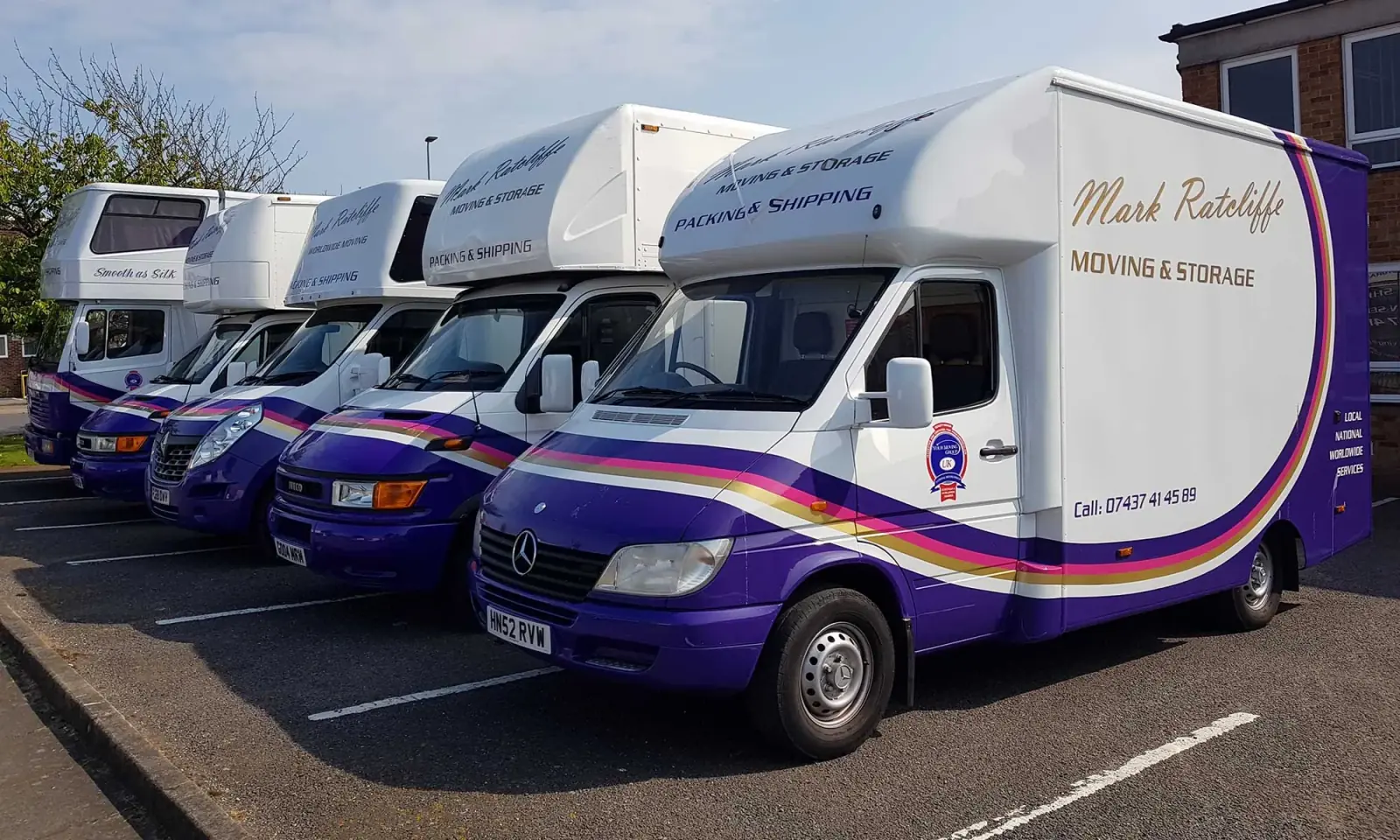
Royal Tunbridge Wells sits on the Kent–Sussex border and is one of the consistently popular relocation destinations on our weekly diary. The pull factors are familiar: strong schools, a regency town centre, the Pantiles and the Common, a meaningful share of period property, and a 50-minute train into London Charing Cross. We run Tunbridge Wells removals as a standard route and this guide collects what we tell first-time arrivals.
The town divides into half a dozen recognisable neighbourhoods with very different operational characters — the conservation-area heart, the leafy southern suburbs, the family-home estates, the surrounding villages. The detail below covers them in turn, plus the practical move-day logistics. If you’d rather skip to the practical end, the survey takes ten minutes online.
The central conservation area covers the Pantiles, Mount Pleasant, the Common, and the streets immediately around them. Regency townhouses, listed buildings, narrow lanes, and permit parking everywhere. Beautiful but operationally tight for a 7.5-tonne lorry; expect parking suspensions and occasional shuttling.
Southborough, north of the centre, is the family-friendly suburb with wider streets and 1930s-to-1970s semis. Rusthall and Frant, on the western and southern fringes, are leafier with bigger detached homes. Hawkenbury and the south-east is the modern estates side, generally straightforward for a removal lorry.
The surrounding villages — Speldhurst, Pembury, Bidborough, Groombridge — are within standard area coverage and we run them on the same weekly routes. Each has its own access character (narrow rural lanes in some, easy main-road access in others). Our best-areas-in-East-Sussex guide covers comparable choices on the East Sussex side.
Tunbridge Wells has one of the most extensive conservation-area zones of any Kent town. Significant parts of the centre, the Pantiles district, and several outer streets are designated. Most period property in the conservation areas is listed (Grade II commonly, occasional Grade II*). Move-day operations need to respect the historic fabric — see our listed-building moves guide for the protection methods we use.
Parking is the biggest operational variable. Tunbridge Wells Borough Council operates permit-controlled zones across most of the residential centre. Apply for a parking suspension at least ten working days before move day via the council’s online portal. Costs are typically £60–£120.
For tight-access addresses (the steep streets off Mount Ephraim, the Pantiles back lanes, some Frant addresses with narrow drives), we sometimes shuttle: smaller van between front door and main lorry parked legally further away. We’ll spot this at survey stage and price it transparently.
Tunbridge Wells has consistently been one of the strongest school towns in Kent. The state-grammar option (Tunbridge Wells Grammar School for Boys, Tunbridge Wells Grammar School for Girls, Skinners’) sets the town apart from most of Sussex — Kent still operates the 11-plus selective system. For families considering grammar education, the academic difference is real.
Independent options include Holmewood House, the Skinners’ Kent group, and the larger independents in nearby villages. Beechwood Sacred Heart, Brambletye, and Mayfield (just over the East Sussex border) all serve the wider Tunbridge Wells catchment.
If a specific school is part of why you’re moving, confirm the catchment and verify the application deadline. Kent County Council’s coordinated admissions process has hard deadlines that close earlier than people assume. The best-schools-Eastbourne-families guide covers parallel considerations for the East Sussex coast.
Tunbridge Wells to London Charing Cross is around 50 minutes direct, half-hourly through most of the day, twice-an-hour at peak. Tunbridge Wells to Cannon Street is similar via the same line. This is one of the faster Kent commuter routes and a meaningful part of the town’s appeal.
Compared to East Sussex routes (Eastbourne 90 minutes, Hastings 90 minutes), Tunbridge Wells is meaningfully quicker but the property price reflects this. A 3-bed Victorian terrace in central Tunbridge Wells is typically £550–£750k in 2026; equivalent in Eastbourne is £400–£500k. The commute saving costs about £150k of equity over a comparable East Sussex purchase.
For hybrid workers (2–3 days office), the commute time matters less and the price differential becomes less attractive. For 5-day-a-week commuters, the Tunbridge Wells case is stronger. We’ve moved customers in both directions over the last decade and the decision usually tracks the household’s expected commute pattern.
The Common is one of the town’s defining features — 250 acres of open land minutes from the town centre, used daily by walkers, runners and families. The Pantiles (the original spa promenade) is the historic heart, a pedestrianised colonnade with cafes, restaurants and independent shops. Together they shape the lived experience of being in the town much more than any guidebook suggests.
The wider lifestyle is closer to a small market town than a city. Independent retail still dominates the High Street and Mount Pleasant. Restaurants, gastropubs and cafes are plentiful and price-competitive with London. Cultural life is strong — the Trinity Theatre, the Assembly Hall, the Forum music venue.
For weekend life, Tunbridge Wells sits well for accessing the High Weald AONB, the Ashdown Forest, the North Downs, and the coast at Hastings within 45 minutes. The town acts as a base for genuinely outdoor lifestyles rather than urban ones.
A typical 3-bed Tunbridge Wells move is a single-day job with one crew. The lorry leaves our Lower Dicker depot around 7am to be on your driveway by 8:30. The town is around 50 minutes drive from Lower Dicker; for moves into Tunbridge Wells from elsewhere, the lorry stages from our depot the day before.
Booking lead times: 6–10 weeks ahead for end-of-month dates in the May-to-September peak; 4–6 weeks for mid-week mid-month dates in quieter months. Conservation-area moves benefit from the longer end of these windows because of the parking-suspension lead time.
The survey takes 30–45 minutes in person, longer (60–90 minutes) for substantial period properties. Written quote follows within 48 hours; deposit-protected booking confirms the date. Talk to us early if your move involves listed-building considerations or substantial antique content (see antiques moving).
We've been a family-run Sussex remover — the same name on the lorry as the name on the paperwork. Mark personally surveys the high-value and overseas moves; our crews are directly employed (not casual day labour) and trained at our own staff training centre, one of only a handful of UK removers with that facility on site.
Standard inclusions on every full removal: pad-wrap protection for every freestanding piece of furniture, removal-grade cartons, a written and itemised fixed-price quote with no surprises on the day, and the British Association of Removers' Advance Payment Guarantee protecting every deposit. The result, over the years and hundreds of moves, is a 4.9/5 review average across 120+ independent Google reviews.
Booking the survey takes ten minutes. Whether it's a one-bedroom flat across Eastbourne or a country house to overseas, the process is the same: in-home or video survey, written quote within 48 hours, deposit-protected booking, and a calm move day.
Free in-home or video survey, written fixed-price quote, BAR-protected deposit. Sussex’s family-run independent remover.
Tunbridge Wells’s combination of strong schools, period property and the fast London commute makes it one of the more competitive markets on the Kent-Sussex border. For families considering both Tunbridge Wells and the East Sussex side (Lewes, Eastbourne, Brighton), the school and commute differences usually determine the decision. The East Sussex schools guide covers the parallel considerations.
If you’re weighing this move and want a second view, the free survey takes ten minutes and we’ll come back within 48 hours with a fixed-price quote and a clear plan for your specific situation. Years of Sussex moves behind every survey.
For families weighing the wider Kent-vs-Sussex decision, the practical day-to-day differences come down to schooling (grammar system in Kent, comprehensive in Sussex), London commute (faster from Tunbridge Wells than from East Sussex coastal towns), and property prices (Tunbridge Wells sits between Kent inland and the East Sussex coast). The right answer depends on family priorities; neither county is universally better. The East Sussex areas guide covers the parallel considerations on the Sussex side.
One operational note worth making: Tunbridge Wells’s position on the Kent-Sussex boundary means our crews come through it on multiple weekly routes — from Lower Dicker we run to Tunbridge Wells, onwards to Sevenoaks and Tonbridge, and back via the High Weald villages. The town is part of our standard area coverage rather than an outlying destination, which keeps the logistics straightforward and the pricing competitive.
Single day for most 3-bed properties. Lorry leaves Lower Dicker at 7am, on your driveway by 8:30, finished mid-to-late afternoon. Larger 4-5 bed moves run longer; we crew accordingly.
On most central Tunbridge Wells streets, yes. Apply via Tunbridge Wells Borough Council ten working days ahead. Cost typically £60–£120.
Marginally — additional building protection, longer carry sometimes, occasional shuttling. We quote each line transparently; there's no 'conservation surcharge'.
Yes — corner-board on doorframes, soft floor coverings, low-tack tape on protection materials only, never on the building. The listed-building guide covers our method.
Yes — Speldhurst, Pembury, Bidborough, Groombridge and the surrounding villages are all standard area coverage. Narrow rural lanes sometimes need a shuttle, costed in at survey.