
Running professional removals — but we still talk customers out of hiring us when DIY is genuinely the right answer. Here is when it is, and isn't.

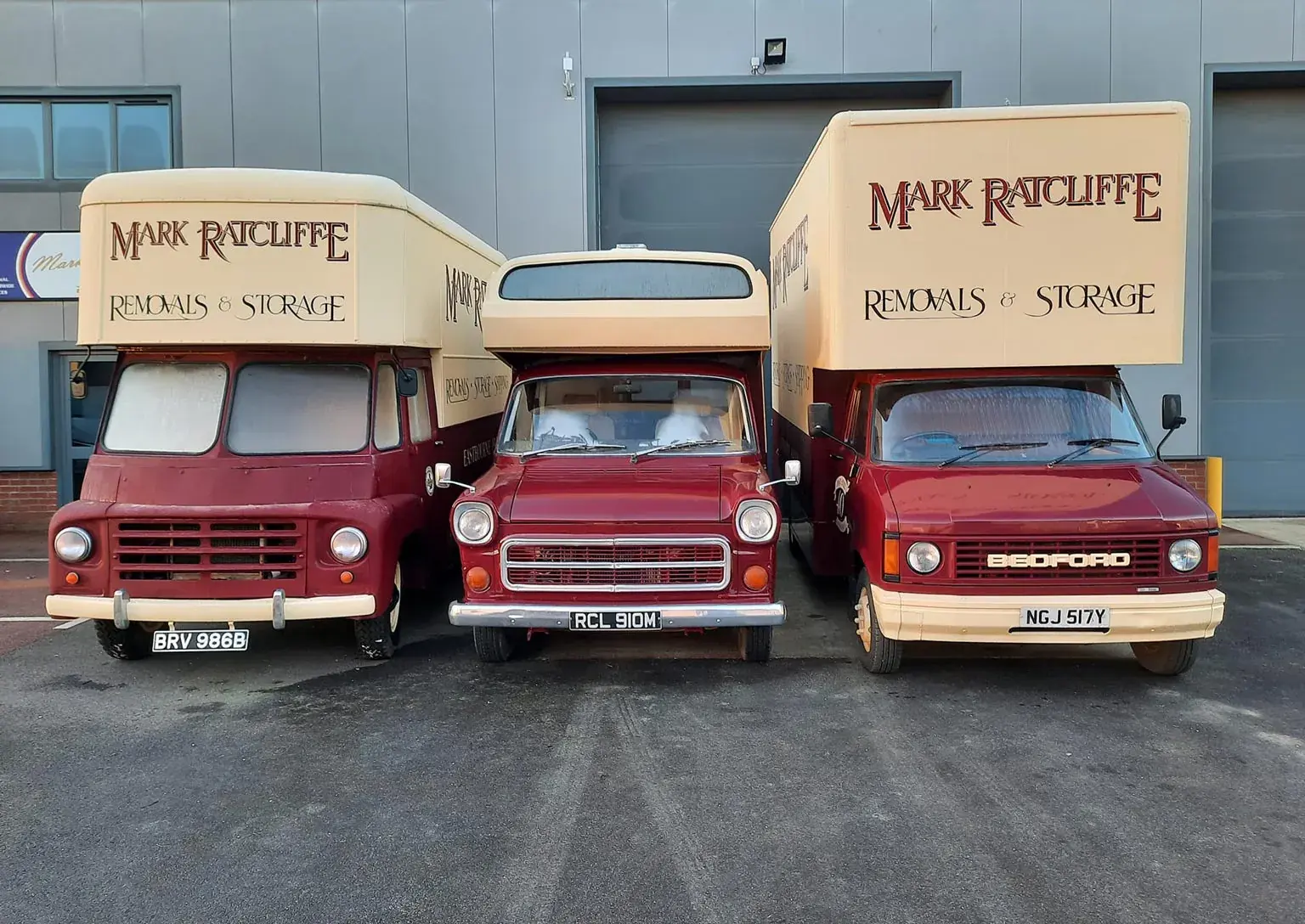
We’re a professional Sussex remover, so the obvious assumption is that we’ll argue for hiring professionals every time. We don’t. DIY is genuinely the right answer for some moves, professionals for others, and a hybrid approach for many. From years of conversations with customers at survey stage we have a clear view of which is which.
This guide walks through the honest comparison: what each option costs (including the hidden costs), what each takes in time and stress, what the damage and injury risks are, and which scenarios point to each. The conclusion isn’t always “hire professionals”; we’d be a worse firm if it were.
DIY is the right choice for: small moves (studio flat, single room, baggage shipment), local moves under 10 miles, moves with no fragile or valuable contents, moves with healthy and able-bodied people available to help, and moves where time pressure is low. If most or all of these apply, the DIY savings are real and the risk is genuinely low.
The typical DIY tools: a hired van (Enterprise, Sixt, local independents), a few friends or family helping with the lift, hand-pulled trolleys for stairs and longer carries, and standard packing materials. The total cost: van hire £100–£200 a day plus fuel, pizza and beer for the helpers, basic insurance via the van company. For a small local move, this can come in under £300 all-in.
The downsides are time and labour. A two-bedroom flat move done by two friends and the owner takes a full day of physical work and usually a second day to unpack. The professional alternative is 6–8 hours of crew time with everything wrapped, transported and unloaded. For some people, the time saving plus the lower labour intensity justifies the professional cost; for others, the DIY route works fine.
Professionals are the right choice for: 3-bedroom homes and above, any move with substantial fragile contents, any move with antiques or valuables, long-distance moves, time-pressured moves (chain-day completions), and any move where the customer or their helpers aren’t physically up to the work. If any one of these applies, the professional case is strong; if multiple apply, it’s overwhelming.
The reasoning is partly damage-rate (see the benefits-of-professional-packing guide) and partly time-and-stress. Professional crews load a 3-bed home in 4–5 hours including pad-wrapping. The same job done by a DIY team typically takes 8–14 hours and involves more lifting, more breakage, and more dropped items at the doorway.
The cost differential isn’t as large as people assume once you factor in everything. A professional 3-bed Sussex move costs £850–£1,250 (see 2026 cost guide). The DIY equivalent — van hire, materials, fuel, food for helpers, time off work to manage it — comes to £400–£700 once everything is counted honestly. The differential is £450–£650 for guaranteed insurance, no lifting, and a day of your life back. If you want that arithmetic set out line by line, our comparison of van hire versus a removal company, costed in full takes each item in turn.
The DIY headline cost (van hire plus fuel) understates the total significantly. The hidden costs include: materials (cartons, tape, bubble wrap, blankets if you’re wrapping properly — £80–£150 for a 3-bed), insurance (van hire insurance covers the van; goods-in-transit cover is usually a separate add-on or excluded entirely), time off work (a typical 3-bed DIY move takes the owner 2–3 days off work to manage), and labour-cost-equivalent for the people helping (a friend doing 10 hours of heavy lifting for free isn’t actually free).
The other hidden cost is damage. Self-packed cartons have roughly 6x the breakage rate of professionally-packed ones, and home contents insurance usually excludes self-packed-in-transit damage. A single piece of broken china can wipe out the entire DIY saving on a smaller move. The fragile-packing guide covers what self-packers can do to reduce this risk.
The third hidden cost is injury. Lifting a wardrobe wrong, dropping a sideboard on a foot, slipping on stairs while carrying a piano. Removal injuries are real and the recovery time is real. Professional crews are trained, fit, and insured; DIY teams aren’t.
Many moves end up at a middle ground that works better than pure DIY or pure professional. The most common pattern: hire a man-and-van for the heavy lifting and large items, self-pack the cartons, drive your own car alongside with the valuables and the family. This combines the labour savings of professional crew with the cost savings of self-pack.
Our man-and-van service is designed for exactly this. Two crew members, a van, half-day or full-day hire. We do the lifting and the driving; you do the packing. The price typically sits at 40–60% of a full removal quote for a similar-size job.
The other hybrid is the full lorry with fragile-only packing — we handle the breakables and the move, you self-pack the easy stuff (books, clothes, linen, garage). This saves the £200–£400 packing-service line on a 3-bed home without losing the protection on the items that matter most. The packing-service guide covers the comparison.
The time-and-stress comparison is the variable that’s hardest to put a number on but it’s usually the deciding factor for customers in the middle of busy lives. A professional move means the customer hands over a packed house at 8am and receives a set-up house at 5pm. A DIY move means the customer is the project manager, the lifter, the driver and the unpacker for 2–3 days.
For families with young children, the calm-move premium is meaningful. The moving with children guide covers why this matters: kids handle the upheaval better when the parents are calm, and a parent running a DIY move isn’t calm.
For older customers, customers with mobility issues, customers between jobs or going through other major life events, the professional case is even stronger. The move-day labour and stress is real and the recovery period afterwards is real. Sometimes the right answer isn’t the cheapest one.
Standard goods-in-transit insurance on professional moves covers transit damage at typical per-item limits. Self-pack cartons are usually excluded, but professionally-packed cartons and pad-wrapped furniture are covered. For 3-bed-and-above homes with mixed contents, this coverage matters — the cumulative value of household contents (especially in the kitchen) is often higher than people realise.
For DIY moves, home contents insurance usually excludes in-transit damage. The van-hire firm’s insurance covers the van but rarely covers the contents inside it. Standalone goods-in-transit cover for a DIY move is available but the premium plus the excess often exceeds the cost saving on the professional alternative.
The decision framework: if your household contents would cost £3,000+ to replace from scratch, the insurance argument tips towards professional. For genuinely small/low-value contents (a student move, a downsizing where most items have been pre-sold), the DIY route is fine and the insurance gap matters less. The questions-to-ask guide covers what to verify in any insurance policy.
We've been a family-run Sussex remover — the same name on the lorry as the name on the paperwork. Mark personally surveys the high-value and overseas moves; our crews are directly employed (not casual day labour) and trained at our own staff training centre, one of only a handful of UK removers with that facility on site.
Standard inclusions on every full removal: pad-wrap protection for every freestanding piece of furniture, removal-grade cartons, a written and itemised fixed-price quote with no surprises on the day, and the British Association of Removers' Advance Payment Guarantee protecting every deposit. The result, over the years and hundreds of moves, is a 4.9/5 review average across 120+ independent Google reviews.
Booking the survey takes ten minutes. Whether it's a one-bedroom flat across Eastbourne or a country house to overseas, the process is the same: in-home or video survey, written quote within 48 hours, deposit-protected booking, and a calm move day.
Free in-home or video survey, written fixed-price quote, BAR-protected deposit. Sussex’s family-run independent remover.
Small moves (studio, single room, baggage), local moves under 10 miles, no fragile or valuable contents, healthy helpers available, low time pressure. If most of these apply, DIY is genuinely the right choice.
Less than you think after hidden costs. A 3-bed DIY move costs £400–£700 all-in (van, fuel, materials, food for helpers, time off work). The professional equivalent is £850–£1,250. The differential is £450–£650 for insurance, no lifting, and a day back.
Two crew, a van, half-day or full-day hire. We do the heavy lifting and driving; you self-pack the cartons. Typically 40–60% of a full removal price. Good for small-to-medium moves with mixed contents.
Usually no. Home contents insurance excludes in-transit damage; van-hire insurance covers the van not the contents; standalone goods-in-transit cover for DIY exists but the premium often exceeds the cost saving on the professional alternative.
Real and underrated. Removal injuries from DIY moves (back strain, foot fractures, shoulder damage) are common enough that we'd factor it into the decision. Professional crews are trained, fit and insured against it.