
Two Sussex coastal towns, 25 minutes apart, with surprisingly different cost profiles. Here is the honest comparison from a remover that works both routes.

Eastbourne and Brighton are the two largest towns on the East Sussex coast and the two we move into more than anywhere else. They’re 25 minutes apart by car, share the same train line into London, and serve roughly similar regional functions — but the cost-of-living profiles differ in ways that catch new arrivals out. We’re a Sussex remover, not a financial advisor, but after years of conversations with customers moving between the two, we have a clear practical view.
This guide compares the two towns across the cost categories that matter: property prices, council tax, parking permits, broadband and utilities, eating out and the wider lifestyle costs. The aim is to give an honest picture rather than a marketing one. For a wider East Sussex view, see our best-areas-to-live guide.
Property is consistently the biggest cost-of-living variable between Eastbourne and Brighton. A 3-bedroom Victorian terrace in central Brighton in 2026 typically sits in the £550–£750k range. The same property type in central Eastbourne is £380–£500k. The differential is roughly 30–40% across most property categories.
The reasons: Brighton’s population is younger and more London-commuter-heavy; demand is stronger; the city has stronger employment and a more international feel; and the Thameslink to London is meaningfully faster than the Eastbourne route. Eastbourne’s market is more family-and-retirement-driven; the demand pool is smaller, more local, and more sensitive to the South-East economy.
For genuine flats (1-2 bed apartments), the Brighton premium narrows somewhat — the small-flat segment in Eastbourne is less developed and the gap is closer to 20–25%. For larger family homes (4-5 bed) the differential widens again because of school-catchment competition in Brighton. The Brighton area guide and Eastbourne area guide cover the neighbourhood-level detail.
Eastbourne Borough Council and Brighton & Hove City Council both operate the standard Band A–H council tax structure. Band D rates in 2026: Eastbourne is around £2,400 per year; Brighton & Hove is around £2,500 per year. The differential is small at the band level but compounds because of where the same property sits in each town’s banding.
A 3-bed terrace in central Brighton typically sits at Band D-E; the same property in central Eastbourne is often Band D. The combined effect: roughly 10–15% more council tax in Brighton for an equivalent property. Over 10 years of ownership this is £3,000–£5,000 of additional cost.
Parking permits add another layer. Brighton & Hove permit zones charge £200–£400 per year depending on emissions and zone. Eastbourne residential permits are typically £50–£150. For a household with two cars in central Brighton, the annual parking cost is £400–£800 more than equivalent in Eastbourne. Worth factoring into the household budget.
For London commuters, the commute differential is the next biggest cost. A Brighton-to-London-Victoria annual season ticket in 2026 is around £4,800. An Eastbourne-to-London-Victoria annual season ticket is around £6,400. The 90-minute Eastbourne route adds 1,600 a year over the 54-minute Brighton route.
The flip side: many Eastbourne residents commute less frequently than Brighton residents. The hybrid working pattern (2–3 days office, rest at home) is more common for Eastbourne commuters because the journey time itself acts as a deterrent to daily commuting. A 3-day-a-week commuter buys monthly tickets that work out cheaper than the annual season.
For Brighton commuters going to other London terminals, the savings are even more pronounced. The Thameslink runs to St Pancras and Cambridge directly; Eastbourne requires changing at Lewes or East Croydon. Total journey times to London Bridge, Cannon Street or Liverpool Street are significantly worse from Eastbourne.
Restaurant prices in central Brighton typically run 15–25% higher than equivalent in Eastbourne for similar-tier establishments. A mid-tier dinner for two in Brighton: £80–£120. Eastbourne: £60–£90. Local pubs are closer to parity, with Eastbourne maybe 10% cheaper for equivalent food and drink.
Entertainment is where Brighton has the variety advantage but also the cost. Theatre, comedy, music venues, cinema — Brighton has more options across more price points. Eastbourne’s entertainment scene is smaller but the per-event cost is similar; the cumulative spend is lower partly because there are fewer things to do.
For day-to-day spending (supermarkets, household goods, services), the differential is minimal. Sainsbury’s and Tesco price the same in both towns; M&S Foodhall, John Lewis and the major supermarket chains have national pricing. Independent grocers and food markets can be marginally cheaper in Eastbourne. The London-to-Sussex guide covers the wider Sussex-vs-London comparison.
For families with school-age children, education is one of the biggest cost-of-living variables. Both towns have strong state secondary schools; both have well-regarded independents. The pricing structure differs.
Eastbourne College and Bede’s (the two main independent senior schools) charge fees around 20–30% below equivalent London independents. Brighton College, Roedean and Brighton Girls have higher fee structures — closer to London prices, partly because the city attracts more international families. For families considering independent education, the Eastbourne option is meaningfully cheaper than Brighton.
State schools in both towns are competitively strong but the admissions processes differ. Eastbourne’s catchments are simpler distance-based ones (covered in the Eastbourne schools guide). Brighton & Hove uses a more complex lottery-with-priority system that can be hard to predict. The moving-with-children guide covers the family considerations.
For most households moving from London, Eastbourne is meaningfully cheaper than Brighton across the full cost-of-living picture. The property differential is the biggest single factor — 30–40% lower for equivalent homes. Council tax, parking permits and independent school fees compound the saving. Restaurant and entertainment costs are 15–25% lower. Commute costs are the only category where Eastbourne is more expensive than Brighton, by 1,600–2,000 a year for daily commuters.
The lifestyle differential matters too. Brighton is busier, faster-paced, with stronger nightlife and more variety; Eastbourne is calmer, family-friendlier, with a stronger seafront-walking and Downs-accessible character. The cost saving in Eastbourne comes with a genuine lifestyle difference, not just a discount on the same product.
For households where the head-of-household is a Brighton-loyalist or a Brighton-employee, the saving is rarely worth the relocation. For households who would happily live in either town, Eastbourne is the financially obvious choice. For families specifically prioritising children’s education and outdoor lifestyle, the case for Eastbourne is even stronger. Talk to us at survey if you’re weighing a move between the two.
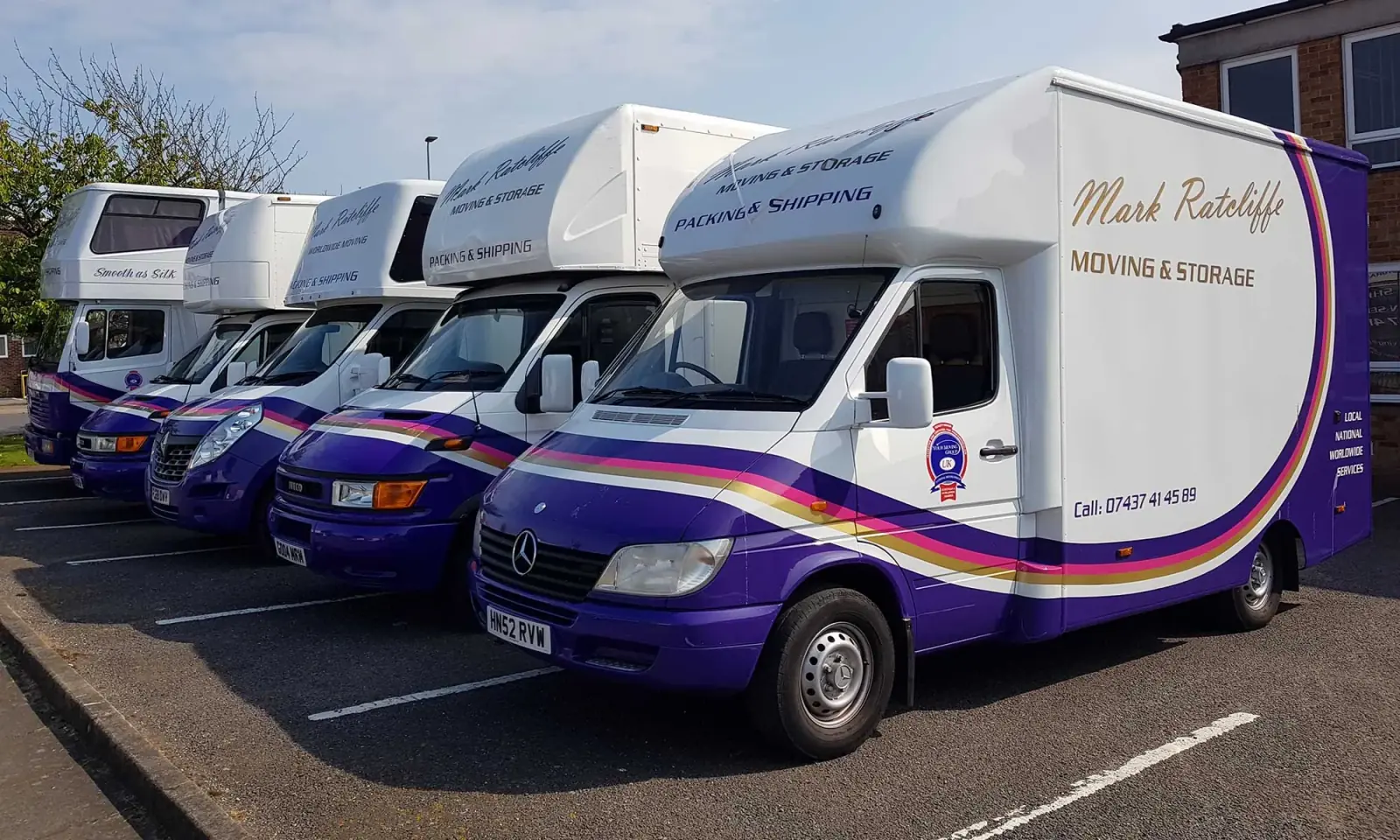
We've been a family-run Sussex remover — the same name on the lorry as the name on the paperwork. Mark personally surveys the high-value and overseas moves; our crews are directly employed (not casual day labour) and trained at our own staff training centre, one of only a handful of UK removers with that facility on site.
Standard inclusions on every full removal: pad-wrap protection for every freestanding piece of furniture, removal-grade cartons, a written and itemised fixed-price quote with no surprises on the day, and the British Association of Removers' Advance Payment Guarantee protecting every deposit. The result, over the years and hundreds of moves, is a 4.9/5 review average across 120+ independent Google reviews.
Booking the survey takes ten minutes. Whether it's a one-bedroom flat across Eastbourne or a country house to overseas, the process is the same: in-home or video survey, written quote within 48 hours, deposit-protected booking, and a calm move day.
Free in-home or video survey, written fixed-price quote, BAR-protected deposit. Sussex’s family-run independent remover.
One final note worth making: cost-of-living comparisons change year to year and the gap between Eastbourne and Brighton has narrowed slightly since 2022 as Brighton’s property market has cooled marginally. The 30-40% property differential remains real but it’s smaller than it was in the immediate post-pandemic period. For up-to-date pricing on your specific situation, the survey is the right starting point — we’ll give an honest view of what your move actually costs in 2026.
For families considering both towns seriously, spend a Saturday in each. The cost difference is the easy bit; the lifestyle fit is the bit that matters longer-term. Walk the high street, sit in a café, ride the seafront, talk to a few residents. Both towns work for the right household; neither works for every household. The best-areas-in-East-Sussex guide covers the wider county comparison.
30–40% lower for equivalent homes in 2026. A 3-bed Victorian terrace in central Brighton runs £550–£750k; the same property type in central Eastbourne is £380–£500k.
Slightly — around 10–15% more in total for an equivalent property, combining the rate-per-band and the typical banding differences for the same property type.
Brighton's annual season ticket is around £4,800; Eastbourne's is around £6,400 (90-minute journey vs 54). The Eastbourne route also requires changing for non-Victoria London terminals.
Mid-tier restaurants run 15–25% cheaper. Local pubs are closer to parity, with Eastbourne maybe 10% cheaper for equivalent food and drink.
For most London-leaving households, Eastbourne is meaningfully cheaper. Brighton suits households prioritising nightlife, international variety and a faster pace. Eastbourne suits households prioritising calm, family living and outdoor lifestyle. The choice isn't just about money.