
Twelve genuine cost-savers that don't trade safety for price. From mid-week timing to self-pack tiers, here is what a forty-year-old Sussex remover would honestly recommend.

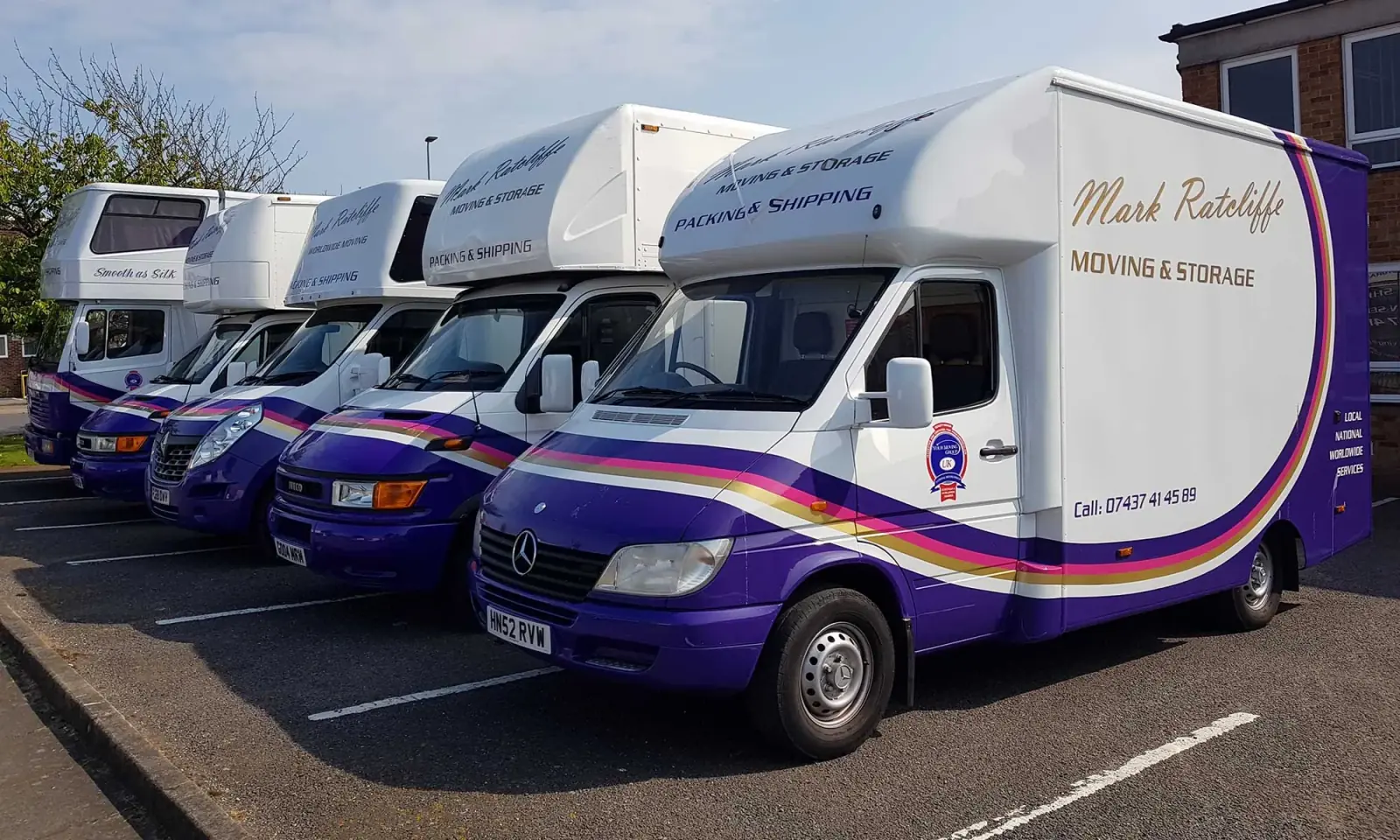
Removal quotes have a wider range than most household services. The same 3-bed Sussex move can cost £800 with one firm and £1,800 with another — sometimes for similar work, sometimes for genuinely different service levels. From years of Sussex removals we have a clear view of which cost-savers are honest and which ones bite you later. The list below covers the honest twelve.
The framing: most of these savings come from timing, scope and packing decisions you can make yourself rather than from choosing a cheaper firm. The headline price is one variable among many; the right approach is to pick a good firm and then make smart choices within their service tiers. The detail below explains each.
The single biggest cost variable is the date. Friday and Saturday end-of-month dates in the May-to-September peak run 15–25% higher than mid-week mid-month dates in November or February. For movers with date flexibility, this is the cheapest single decision you can make.
If your completion date is locked by the property chain (most are), look for any flexibility on the day-of-the-week. A Tuesday completion is often available where the conveyancer wanted Friday — ask. The 2026 cost-of-moving guide covers the seasonal pricing pattern in detail.
For genuinely flexible moves (downsizing, sabbatical, retirement), November to early March is the quietest window. Quieter diary, more crew flexibility, slightly lower prices. The winter-moving guide covers the cold-weather logistics.
Three quotes from comparable firms put you in the right negotiating position. The right comparison isn’t cheap-vs-expensive — it’s same-tier-vs-same-tier. Three BAR-registered firms with proper insurance and directly-employed crews will quote within 10–20% of each other for the same scope of work.
If one quote is dramatically cheaper than the others (40%+ below), something is missing — usually the packing service, the insurance limit, the pad-wrap as standard, or the trained crew. The questions-to-ask guide covers what to verify in each quote before comparing.
Tell each firm you’re getting multiple quotes. Most reputable firms expect this and won’t object; some will sharpen their pencils slightly knowing they’re being compared. Don’t play firms off against each other artificially — honest competition produces honest prices.
The most cost-effective packing decision is the fragile-only tier: the crew packs the breakables (kitchen china, glass, display cabinet, framed art, mirrors), you pack the easy categories (books, clothing, linen, bedding, garage, shed). On a typical 3-bed home this saves £200–£400 versus a full pack with no meaningful damage-rate difference for the self-packed easy stuff.
The benefits-of-professional-packing guide covers the comparison in depth. The materials-only option (we drop off cartons, tape, bubble, tissue, you do the whole pack yourself) saves another £200–£400 but increases the self-pack damage risk on breakables.
For the categories you self-pack, follow the fragile-packing guide for breakables you choose to handle yourself and the packing-order guide for the timing. Good materials and proper technique save more money than they cost. Before you decide how far to take it, it’s worth knowing which cuts backfire — our companion piece on the false economies that cost more than they save explains why owner-packed fragiles are the one category where the saving rarely holds up.
The remover quotes based on what they see at survey. The contents that aren’t there don’t get priced. A weekend of charity-shop runs before the survey can shave 10–15% off the final quote because the volume of cartons and the lorry size shift down a tier.
The places where this matters most: the loft, the garage, the shed, the spare bedroom. These are the highest-volume low-use areas in most homes and the categories where the “might need it someday” objection is strongest. The downsizing guide covers the practical method.
For items going to friends, family or charity rather than the lorry, plan the disposal/donation route before move day. Local Sussex charities collect for free for sellable items; the council tip is free for most household waste; bulkier items have private collection options. The house clearance service handles inherited contents if you’ve bought into a property full of someone else’s stuff.
The most common “extra” that pushes the move-day bill up is the customer adding scope on the day. “Can you also move the loft contents?” or “I forgot about the items in the shed” or “Actually we’ll keep this wardrobe too”. Each is priced on the spot and the on-the-day rate is higher than the surveyed rate.
The fix is the in-home survey. A proper 30–45 minute walk-through with the surveyor catches everything — the loft, the shed, the under-stair cupboard, the items still being decided about. The questions-to-ask guide covers what makes a good survey.
For genuinely uncertain items (an antique you might keep or sell, a piece of furniture the new property may not fit), tell the surveyor at the visit and we’ll quote both scenarios. The cost of confirming both options at survey is £0; the cost of handling it as an on-the-day decision is meaningful.
Counter-intuitive cost-saver: spend a little more on materials and save a lot on damage. Removal-grade cartons (we stock them at our Lower Dicker packaging shop) cost more than supermarket boxes but they don’t burst at the bottom in a lorry. Proper packing tissue costs more than newspaper but it doesn’t transfer ink onto your china.
The same principle applies to tape (50mm vinyl, not pound-shop parcel tape), bubble wrap (real bubble wrap, not flimsy foam), and dividers (proper carton inserts, not folded cardboard). The total materials bill for a 3-bed home is £80–£150 done properly; the damage-rate difference from doing it cheaply is worth more than that to most customers.
Buy in a kit rather than piecemeal. We sell standard-size packing kits at the buy-packing-materials page sized for 1, 2, 3, 4 and 5-bed homes. The kit pricing is typically 15–25% better than buying the individual items.
This isn’t a direct cost-saver but it’s a cost-protector. Photograph every room before move day, photograph the contents of every carton as you pack (or ask the packing crew to share the inventory sheet), and photograph each piece of valuable furniture from multiple angles before it’s wrapped.
The photos and inventory are invaluable in two scenarios. First, if anything is damaged in transit, the pre-move state is documented and the goods-in-transit insurance claim is straightforward. Second, if you’re uncertain whether an item arrived or not, the inventory tells you. Without an inventory, lost items are hard to claim for.
For high-value items, the inventory becomes more formal — written list, photographs, declared values. The white-glove service includes a formal written inventory as standard. For self-managed inventories the structure is the same; just less professional polish.
If your move involves storage between completion dates, the cheapest option is usually strong-room storage at a remover’s depot rather than renting a drive-up unit at a self-storage site. Strong-room is cheaper because you don’t need it; the remover handles loading and unloading, and the customer doesn’t visit during the storage period.
For longer-term storage (over three months), a self-storage site can become more cost-effective than a remover’s strong room, because the contract terms are different. The short-vs-long-term guide covers the decision matrix. The choosing-storage guide covers the format selection.
Climate-stable storage costs slightly more than uninsulated but is non-negotiable for stays over two months — uninsulated steel-walled units in British winters cause condensation damage to photos, fabrics and electronics. The damage cost on a non-climate-stable long-term unit usually exceeds the savings within six months.
Some moves end up with the contents being unloaded into a holding location (a relative’s garage, a paid storage unit, a temporary rental) and then loaded again to the final property. Each extra handle costs labour and time. Where it can be avoided, do.
The cleanest version: completion-day-to-completion-day with no storage. The lorry loads at the old property in the morning, transits to the new property in the afternoon, and unloads. Single-handle. The chain has to align for this to work; if it does, the saving versus storage-and-redelivery is 15–25%.
If the chain doesn’t align, storage at our Lower Dicker depot is the cheapest second-handle option because the lorry already comes back to our depot anyway. Off-site storage at a third-party facility means a third lorry visit, which is more expensive.
Last-minute bookings command a premium across the industry. The remaining diary slots in any given week are the ones nobody else wanted, and the firm prices them accordingly. Booking 10–16 weeks ahead (or longer for summer peak) lets you choose the slot, which is often the cheapest slot.
The deposit at booking is typically 25% and is fully refundable up to 30 days before move day under most contracts (and BAR APG-protected against firm failure throughout). So the cost of booking early is zero if your dates shift; the saving of not paying last-minute premium is real.
For genuinely uncertain move dates (chains that may slip, completion-uncertain purchases), book the survey but don’t confirm the date until 4–6 weeks ahead. Most reputable firms will hold a provisional slot in their diary while the chain works itself out. The survey form kicks off this conversation.
The most expensive removal move is the one that costs £500 up front and £1,500 in “extras” on the day. Rogue traders — the topic of our rogue-traders guide — use the underquote-then-bill-extras model deliberately. The list of red flags is in that guide.
Cash-only deposits, no written quote, no in-home survey, no BAR membership, no insurance documentation, mobile-only contact, no business address. Any one of these is a yellow flag; a combination is a red flag. Walk away from quotes that feel too good to be true; they almost always are.
For honest cost-saving, the framework is “same scope, lower price” (compare like-for-like quotes), not “different scope, lower price” (cheap firm doing less work). The first is genuine value; the second is buying problems for the future.
Most reputable removers include some post-move services in the headline price that customers don’t realise are free. Empty-carton collection within standard delivery range, basic furniture reassembly at the new property, removal of packing materials on the same day if you’ve booked unpacking — all of these are included on most full removals at no extra cost.
Ask at survey: what do you include after the move? The list usually includes the items above plus possibly a follow-up call after a week to check everything is settled. The unpacking service is the formal version — the crew stays for an additional 2–4 hours to unpack cartons and set up the rooms.
For final cost-saving, the small extras add up: if your firm collects empty cartons free (we do), that’s a tip-trip you don’t need to make. If they reassemble furniture (we do), you save a Saturday with the Allen keys. None of this is glamorous but the cumulative saving in time and minor costs is meaningful. Talk to us at survey about the full inclusion list.
We've been a family-run Sussex remover — the same name on the lorry as the name on the paperwork. Mark personally surveys the high-value and overseas moves; our crews are directly employed (not casual day labour) and trained at our own staff training centre, one of only a handful of UK removers with that facility on site.
Standard inclusions on every full removal: pad-wrap protection for every freestanding piece of furniture, removal-grade cartons, a written and itemised fixed-price quote with no surprises on the day, and the British Association of Removers' Advance Payment Guarantee protecting every deposit. The result, over the years and hundreds of moves, is a 4.9/5 review average across 120+ independent Google reviews.
Booking the survey takes ten minutes. Whether it's a one-bedroom flat across Eastbourne or a country house to overseas, the process is the same: in-home or video survey, written quote within 48 hours, deposit-protected booking, and a calm move day.
Free in-home or video survey, written fixed-price quote, BAR-protected deposit. Sussex’s family-run independent remover.
Date flexibility. Mid-week mid-month dates in November to February run 15–25% cheaper than Friday/Saturday in the May-to-September peak. If your completion date isn't locked by the chain, this is the highest-value single decision.
Three quotes from BAR-registered comparable firms. The right comparison is same-tier-vs-same-tier; three reputable firms will quote within 10–20% of each other for the same scope. Dramatically cheaper outliers usually have something missing.
Yes — typically £200–£400 on a 3-bed home for the fragile-only tier (we pack breakables, you pack books/clothes/linen). The materials-only tier saves another £200–£400 but increases damage risk on breakables.
Yes — 10–15% typically. The remover quotes based on contents seen at survey; what isn't there doesn't get priced. Worth a weekend of charity-shop runs before the survey.
Sometimes — if it's the cheapest of three comparable quotes from BAR-registered firms. Almost never — if it's dramatically cheaper than other quotes for the same scope. The underquote-then-bill-extras model is real; protect against it.