
Containerised storage in Sussex, where your goods are loaded once, sealed in their own steel room and not touched again until they come out. No shared cages, no open shelving, no repeated handling between you and your possessions.

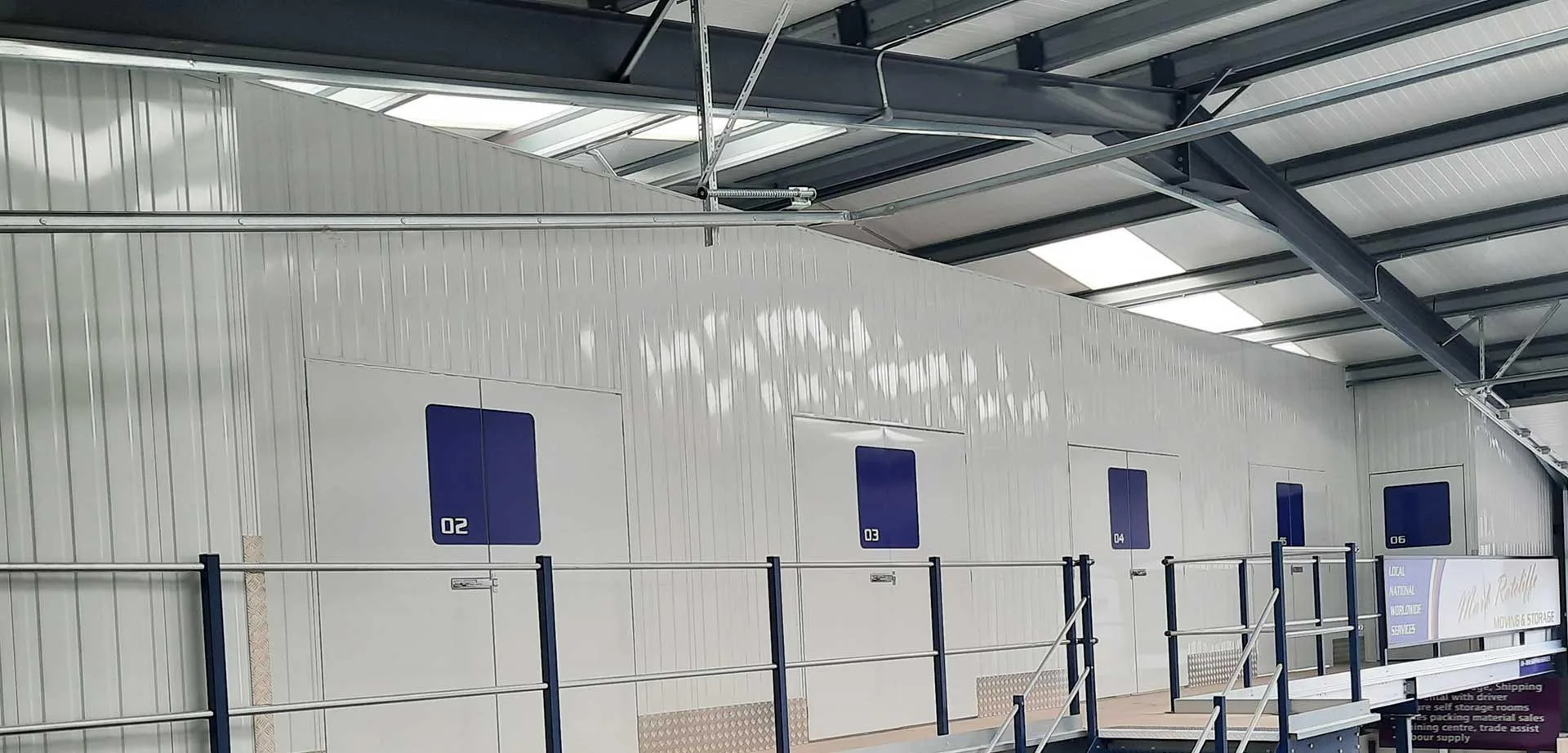
Containerised storage in Sussex means your goods go into one sealed unit at the point of collection and are not unpacked again until they come back to you. At our Lower Dicker depot that unit is an individual steel-walled room rather than a timber box on a warehouse rack, but the principle is the containerised one: one load, one seal, one inventory, and nobody handling your possessions in between.
The distinction matters because what most Sussex operators sell is space. You rent a volume of empty floor, you fill it yourself, and every journey your sofa makes across a car park, through a shutter door and along a shared corridor is a journey you arrange and a risk you carry. Containerised storage deletes those journeys by making the collection vehicle and the storage room two halves of the same job.
That is the wedge, and the rest of this page argues it in the only currency that can be checked: how many times your possessions get picked up.
The rest of this page is the format explained properly: how many times your things actually get picked up, how floor area converts into volume, what one room holds, and what sealing a load once rules out. For the depot itself, the rooms and the access arrangements, see our Prestige steel storage rooms at Lower Dicker.
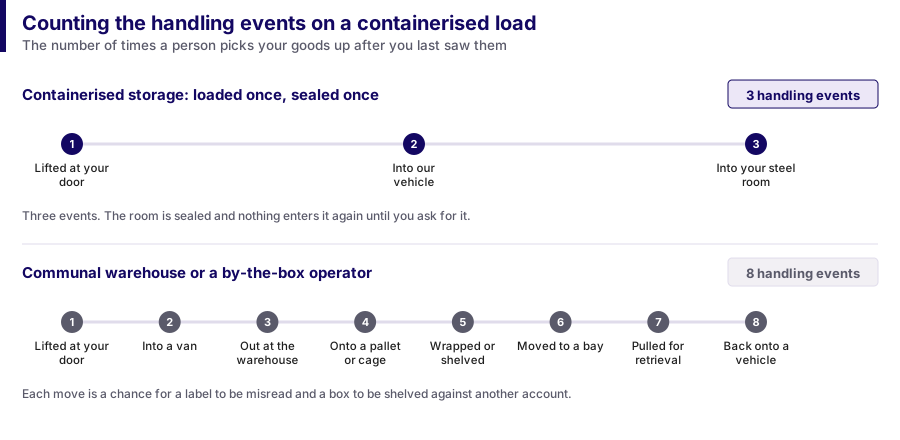
Damage in storage is rarely caused by the storage. It is caused by handling, and handling is countable. Every time a piece of furniture is lifted, set down, turned through a doorway or shunted on a trolley, there is a chance of a knock, a dropped corner or a tear in the wrap. So the honest way to compare storage formats is not by the size of the warehouse but by the number of times somebody picks your things up.
Our route is two carries out and two carries back. A piece is pad-wrapped where it stands, carried out to the vehicle and strapped to the bulkhead. At Lower Dicker the vehicle reverses to the door of your room and the same piece is carried straight in. Four handling events across the whole storage event, every one of them carried out by the crew whose names are on your inventory.
The do-it-yourself route through a rented unit is typically eight. Van to kerb, kerb to trolley, trolley through the shutter and the corridor, corridor into the unit, and the same four in reverse. The by-the-box collection services run to eight as well, because they collect into a shared vehicle and then decant into communal racking at a hub before pulling your items back out months later.
The two extra handling events that cause us the most trouble when we inherit a job from somewhere else are the trolley threshold and the shared lift. Castors drop off the lip of a shutter track and tip a stacked trolley. Lift doors close on the leading edge of a wardrobe while somebody is holding a door open with a foot. Neither happens if the item is carried once, by two people, from a tail-lift into a room three metres away.
There is one handling event we used to have and removed. Early on we decanted some loads at the depot, sorting on the warehouse floor before filling the room. It made the room tidier and it added a set of lifts nobody was paying for, so we stopped. Loads now go from vehicle to room in the order they were built, which means the load plan is decided at your property rather than at ours. If you want that collection day described hour by hour, our collection and storage service covers it.
Three formats turn up against the same Sussex searches, and they are not variations of each other. The mechanical difference between them is where your load is assembled, who assembles it, and whether it is ever taken apart again before it comes back to you. Everything else about the three follows from those answers.
| Format | Who does the lifting | Handling events, door to store and back | Where the load is built | What the unit is closed against |
|---|---|---|---|---|
| Managed containerised steel room · what we run at Lower Dicker | Employed crew, the same faces at both ends | 4 | In your property, piece by piece, as the inventory is written | One unique customer reference, opened by appointment with crew present |
| Drive-up unit at a self-storage site, rather than a managed store — you rent and fill it yourself | You, plus whoever you can persuade | 8 | Inside the unit, after a trolley run through a shutter and a corridor | A padlock you supply; no list held by the site |
| By-the-box collection service | A collection driver, then hub staff you never meet | 8 | Not built at all – cartons are barcoded and shelved one by one at a hub | Each carton separately; no single unit, and no furniture |
Read the handling column first. It splits the three cleanly into one format where the unit is filled at your address and two where your goods are carried into the storage at a second site, on a second day, by people who were not there when the load was wrapped. That split is the only structural difference that matters, and it is the reason we run the format we run.
Read the last two columns together, because they are the same fact stated twice. A load built at your door can be listed at your door, so the unit can be closed against a written inventory and a reference. A load built at a storage site or broken into barcoded cartons at a hub has no single moment where a list and a unit line up, so there is nothing for a seal to mean.
Three formats we do not run get mentioned in the same breath, so here is what they are mechanically. A timber container filled at a remover’s depot is decanted from the vehicle into the box at the warehouse, which adds a set of lifts nobody sees. Communal racking or cages share a floor, an air space and often a door, so there is no individual seal to speak of. A shipping container in an open yard is a weatherproof steel box with no building around it, which is a different proposition from a room inside a dry, ventilated, alarmed building with direct vehicle access.
Which format suits which circumstances is a buyer’s question rather than a mechanical one, and it is not the job of this page. We set it out with no preference for our own service in our guide to choosing between the storage formats when you are shopping around. What the sealed-room format can and cannot do once you have chosen it is further down this page.
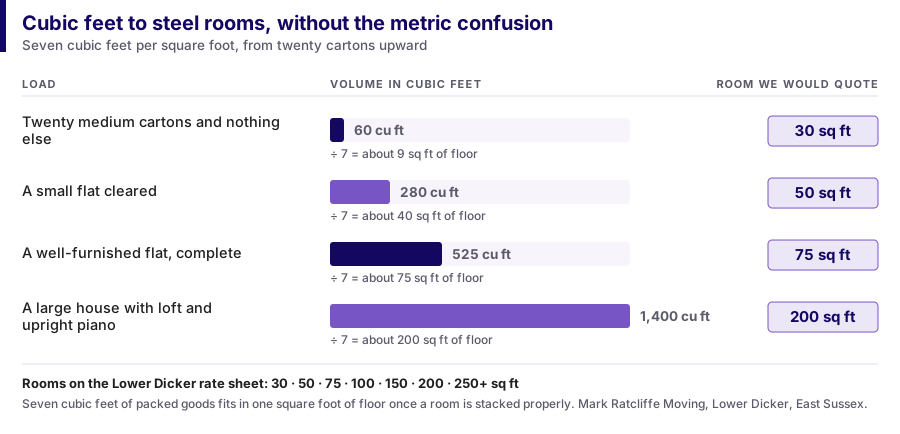
Every storage room in Sussex is advertised as a number of square feet, and nothing you own is measured that way. We plan at seven cubic feet of packed goods per square foot of floor, and how a Sussex storage quote is built works that conversion through for every room size at Lower Dicker. What belongs on this page is the shorter list of things that stop a real load reaching it.
Height is the variable people forget. Floor area is the same whether the room is filled to shoulder height or to within a hand’s width of the ceiling, and the difference between those two is often a whole room size. It is also why a quote given over the phone from a bedroom count is a guess: two identical three-bedroom houses in Hailsham can differ by 300 cubic feet on lofts and garages alone.
Three things eat volume without appearing on anyone’s mental list. Anything that cannot be laid flat, such as a cot, a treadmill or a wheelchair. Anything that must stay upright, which stops you stacking on it. And the strip in front of the door, which stays clear so the door shuts and seals rather than being forced against a wardrobe. We allow for all three at the survey instead of discovering them on the tail-lift.
Being one size out is money rather than an abstraction. At Lower Dicker the 50 sq ft room is £27 a week including VAT and the 75 above it is £36, so a load that creeps past 350 cubic feet on survey day costs about a third more to keep, every week, for as long as it stays with us. Cover of £5,000 is included either way, so the step you are paying for is genuinely floor and height rather than paperwork.
A load that is mostly awkward shapes and very few cartons will miss any planning figure, ours included, and when that is what the survey finds we size up rather than wedge things in. It is also why we measure the inventory instead of taking an estimate over the phone: being one size too small on the day means a second room and a second set of paperwork. You can build the list yourself in cubic feet with our volume calculator, or we will do it at a survey that runs 30 to 45 minutes in the house or over video.
A room size in square feet means very little until you have seen what fits inside one, which is why most people reach a survey with no idea whether they are a 50 or a 150. Here is a real 280 cubic foot load, item by item, using the same cubic-foot figures our calculator uses. It is a small flat, cleared, with the furniture people actually keep, and it belongs in the smallest room on our sheet that genuinely takes it: the 50 sq ft.
| Item | Each | Qty | Volume |
|---|---|---|---|
| Sofa, 3-seater | 35 cu ft | 1 | 35 cu ft |
| Armchair | 15 cu ft | 2 | 30 cu ft |
| Double bed, mattress | 22 cu ft | 1 | 22 cu ft |
| Double bed, base | 20 cu ft | 1 | 20 cu ft |
| Wardrobe, double | 35 cu ft | 1 | 35 cu ft |
| Chest of drawers, large | 20 cu ft | 1 | 20 cu ft |
| Bedside table | 6 cu ft | 2 | 12 cu ft |
| Dining table, 4-seater | 18 cu ft | 1 | 18 cu ft |
| Dining chair | 5 cu ft | 4 | 20 cu ft |
| Bookcase, large | 20 cu ft | 1 | 20 cu ft |
| Television, 50 inch or larger | 6 cu ft | 1 | 6 cu ft |
| Standard removals carton, medium | 3 cu ft | 14 | 42 cu ft |
| Total | 30 items | 280 cu ft |
280 cubic feet divided by seven is 40 square feet of floor, so the load needs a room with at least that much floor inside it. Our sheet steps from 30 sq ft to 50 sq ft, and the 50 is the one it goes in: 350 cubic feet of working capacity, which takes those thirty items with the door still closing easily and leaves headroom for the two or three things every survey turns up late. At Lower Dicker that room is £27 a week including VAT, or £108 per four weeks, with collection or delivery £390 each way and £5,000 of cover included. First 4 weeks half price when we collect for you. Notice what does the work in the total. The sofa, the wardrobe and the fourteen cartons are over a third of the volume between them, and the fourteen cartons are the part most people forget to count. A house that has been packed properly produces far more carton volume than the owner expects, which is the single commonest reason a self-declared inventory comes in short.
Notice also what is not on the list. No loft, no garage, no garden furniture, no bicycles, no Christmas boxes. Add a loft and a shed to that flat and the same household is looking at the next room up, the 75 sq ft at £36 a week including VAT. If your list includes a piano, tell us at the survey rather than on the day, because a piano move changes both the load order and the position of the instrument in the room.
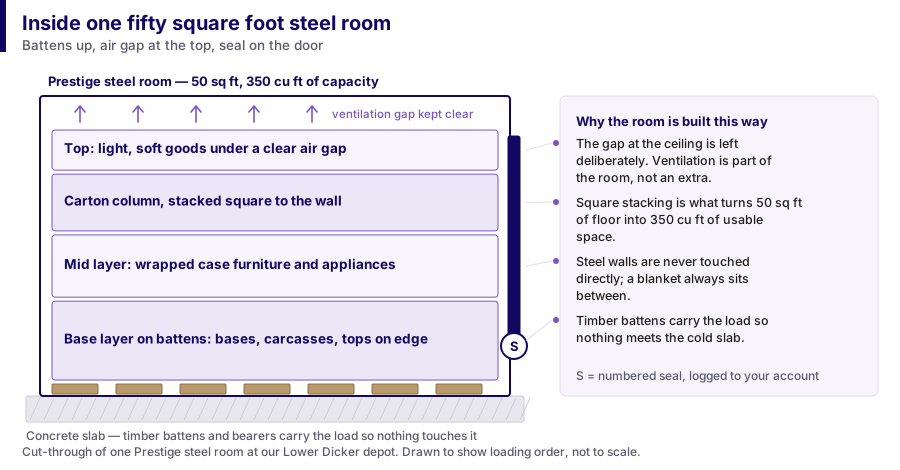
How the room is filled changes the number as well. We build against the back wall in a single stack, heaviest at the base, cartons squared off, soft goods filling the voids between hard edges rather than sitting on top of them. A room packed by the person renting it typically runs at four or five cubic feet per square foot instead of seven, which is how a customer ends up paying for space they cannot use.
A figure has been copied around the removals industry for years: that a 250 cubic foot container measures roughly five metres by seven by seven. It is wrong, and badly enough that it is worth correcting, because customers use it to decide whether a container will fit on a driveway or how many they need.
Five by seven by seven metres is 245 cubic metres. A 250 cubic foot container is 7.08 cubic metres. The published figure is about thirty-five times too large. In real dimensions, 250 cubic feet is something in the order of 2.2 metres by 1.5 by 2.2, which is a large wardrobe-sized box, not a small warehouse.
| Volume in cubic feet | Volume in cubic metres | Floor area needed at 7 cu ft per sq ft |
|---|---|---|
| 25 cu ft | 0.71 m³ | About 4 sq ft |
| 50 cu ft | 1.42 m³ | About 7 sq ft |
| 100 cu ft | 2.83 m³ | About 14 sq ft |
| 250 cu ft | 7.08 m³ | About 36 sq ft |
| 500 cu ft | 14.16 m³ | About 71 sq ft |
| 1,000 cu ft | 28.32 m³ | About 143 sq ft |
| 2,000 cu ft | 56.63 m³ | About 286 sq ft |
The conversion is one cubic foot to 0.0283 cubic metres, or one cubic metre to 35.31 cubic feet. Keep those two numbers and you can audit any quote you are given, in either unit, from any provider. If a firm quotes you in cubic metres and a rival quotes in cubic feet, convert before you compare rather than assuming the smaller number is the smaller load.
We quote in cubic feet because that is the unit the survey is taken in and the unit our vehicles are rated in, and we put the metric equivalent alongside it on the written quote. The same figure carries straight through if the load is eventually bound abroad, because sea freight is sold by volume as well — how an overseas move from Sussex is measured and shipped follows one cubic-foot total from a Sussex hallway to a container.
The word containerised describes a physical arrangement. What makes it worth paying for is the paperwork attached to it, because a sealed room with no record of what went into it is just a locked room. Three documents govern every load we store, and all three are made on collection day rather than at the depot.
The first is the written inventory, compiled at your property as the load is built, item by item, with condition noted on anything that arrives at the van already marked. The second is a photographic record of the room layout once the stack is complete, taken from the doorway before the door is closed. The third is the unique customer reference the room is sealed against, which is the only reference that will open it again.
Every entry and exit at the depot is logged, and nothing comes out of a room without an appointment booked against that reference by the person named on the agreement. If somebody else is collecting on your behalf, we need that in writing beforehand. It is a small friction and it is deliberate: the alternative is a storage operator who will hand your possessions to anyone who knows your surname.
When the room is opened, whether for a partial retrieval or for redelivery, the inventory is reconciled against what leaves. Anything added to the room during the stay is added to the list at the time, not remembered later. On redelivery the same list is checked off at the far door, which is how a claim under our terms and cover arrangements ever gets settled sensibly: a documented list beats a recollection every time.
This is also what the accreditations are actually about. BS 8564:2011 is the British Standard for overseas moving services, a specification for how an international move is surveyed, documented and handled, and the BAR Overseas Group membership brings the Advance Payment Guarantee, which covers advance payments if a member firm ceases trading before the work is done, and a route to independent dispute resolution under the BAR consumer guide. Neither badge tells you the warehouse is nice. Both tell you there is a defined procedure behind the inventory, which you can read more about on our BS 8564 accreditation and BAR membership pages.
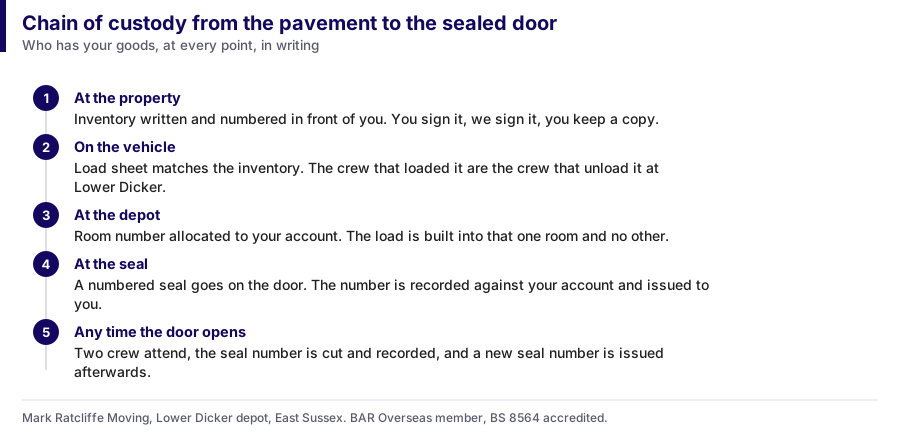
The four-handling-event count in the table above is bought with a trade. A load that is wrapped, listed and stacked in one pass, then closed against a reference, is a load nobody is going to disturb casually. Four things stop being possible the moment that door shuts, and they are operational facts rather than matters of preference.
The picking limit is the one customers feel most, and it is almost entirely avoidable at the survey. Anything you expect to want back early is loaded last and stood at the face of the stack with its carton number turned towards the door, which takes ten seconds to arrange on collection day and saves an hour of crew time in week three. Tell us on the day rather than after the seal goes on.
Two smaller consequences worth knowing. Adding to a sealed room is done by appointment and the new items go onto the written inventory as they go in, so the list and the room never drift apart. And if the stay runs past six months the management arrangements take over from the format — periodic condition checks, cover renewal and review — which is covered on our long-term storage arrangements page. How each piece is wrapped before it enters the room is set out under furniture storage and how each piece is wrapped.
Our storage is at Unit J12, Swallow Business Park, Diamond Drive, Lower Dicker, East Sussex BN27 4EL, on the A22 just north of Hailsham. That location is the reason the handling-event count works: most of our collection area is inside an hour of the depot, so a load collected in the morning is in its sealed room the same day rather than sitting on a vehicle overnight.
We collect for storage across East and West Sussex, Surrey and Kent. Eastbourne and Hailsham are the closest towns to the depot, with Lewes, Brighton and Hastings all comfortably a same-day return run. Our Croydon depot at Unit A2C, Redlands, Coulsdon, Surrey CR5 2HT covers the northern end of the patch for removals and holds no storage; the individual steel storage rooms are at Lower Dicker, and crate storage runs alongside them at Croydon (CR0 4AA) and Crawley (RH10 9SP). The full list is on our areas covered pages.
Price follows the room, and the room follows your cubic footage. These are the Sussex rates at Lower Dicker for the three sizes containerised customers take most often, every figure including VAT and every one of them carrying £5,000 of cover:
| Room | Typically holds | Per week | Per 4 weeks | Collection or delivery, each way |
|---|---|---|---|---|
| 50 sq ft | Studio or 1-bed flat | £27 | £108 | £390 |
| 100 sq ft | 2-bed house | £45 | £180 | £720 |
| 150 sq ft | 3-bed house | £63 | £252 | £990 |
First 4 weeks half price when we collect for you. The smaller 30 sq ft room and the 200 sq ft and larger sizes are on the same sheet, and the nett figures a VAT-registered business reclaims against, the duration steps and the handling charges are all set out under the full Sussex storage rate card and how a quote is assembled.
Because the storage and the removal are the same job, they are quoted as one. If your move and your storage are both in play, removals and storage booked as one job explains how the single agreement works, and storage before an overseas shipment covers the case where the room is a holding point before a container sails.
Booking runs enquiry, survey, written quote, date held. The survey takes 30 to 45 minutes in the house or over video, the quote is written rather than indicative, and the room size on it is the size we measured for. We have been doing this from Lower Dicker since 2017, and what customers say about the sealed-room format specifically — the seal, the retrieval appointments, the state goods come back in — is on our customer reviews page. Call the depot on 01323 848 008 and we will tell you which room size your list comes to before you commit to anything.
It means your goods are loaded into one sealed unit at the point of collection and are not taken out again until they are redelivered. The unit can be a timber container on a warehouse rack or, as at our Lower Dicker depot, an individual steel-walled room with its own door and lock. The defining feature is not the material, it is that nobody decants your load into anything else in between.
No. A shipping container is a steel box built to survive a sea voyage and it usually sits outdoors in a yard, exposed to weather and with no building around it. Our rooms are inside a dry, ventilated, alarmed building with direct vehicle access, and they are sized for household loads rather than for a crane.
Twice each way, four times in total. It is wrapped where it stands, carried once to the vehicle, and carried once from the vehicle into the room because the lorry reverses to the room door. A rented unit you fill yourself typically involves eight handling events across the same storage event.
No, and we would rather say so plainly. The rooms are dry, ventilated, alarmed and covered by 24-hour CCTV, which suits ordinary furniture, books, clothing and electronics for months at a time. They are not temperature or humidity controlled, so anything genuinely humidity-sensitive is a conversation to have at the survey rather than a risk to take.
No, and that is a property of the format rather than a rule we could waive. The rooms sit inside a working depot with lorries reversing to doors, and the stack is built by the crew who wrapped the load so that it stands up over months and matches the written inventory item for item. A room filled by somebody else would break the single chain of custody the seal depends on.
Yes, by appointment. Tell us at the survey what you are likely to want back early and we will place it at the face of the stack with its number facing the door. Retrieving something from the back of a dense stack means unbuilding and rebuilding the face, which takes crew time and needs booking rather than turning up.
Yes. The room is reopened by appointment, the new items are added to the written inventory at the time, and the stack is rebuilt around them if needed. What we do not do is let items go in unrecorded, because the value of a sealed room is entirely in the list that matches it.
The difference is where the load is put together. A timber container is usually filled at the remover’s depot, so the load comes off the vehicle and goes into the box at the warehouse, and the banded box is then racked in a shared bay. Our rooms are individual steel-walled rooms at floor level with direct vehicle access, so the load goes straight from the vehicle into the room in the order it was built, with no decant in between.
The 50 sq ft room the itemised load on this page lands in is £27 a week including VAT, or £108 per four weeks, with collection or delivery £390 each way and £5,000 of cover included in the price. Bigger loads step up through the 100 sq ft room at £45 and the 150 at £63. There is an introductory offer as well — first 4 weeks half price when we collect for you — and the figure on your written quote is fixed to the room we measured for rather than to a bedroom count.
Yes. We collect for storage across East and West Sussex, Surrey and Kent, and our Croydon depot at Coulsdon covers the northern end of that area for removals, holding no storage itself. The individual steel storage rooms are at the Lower Dicker depot near Hailsham, with crate storage at Croydon and Crawley, and every load is booked against one inventory.
From the blog
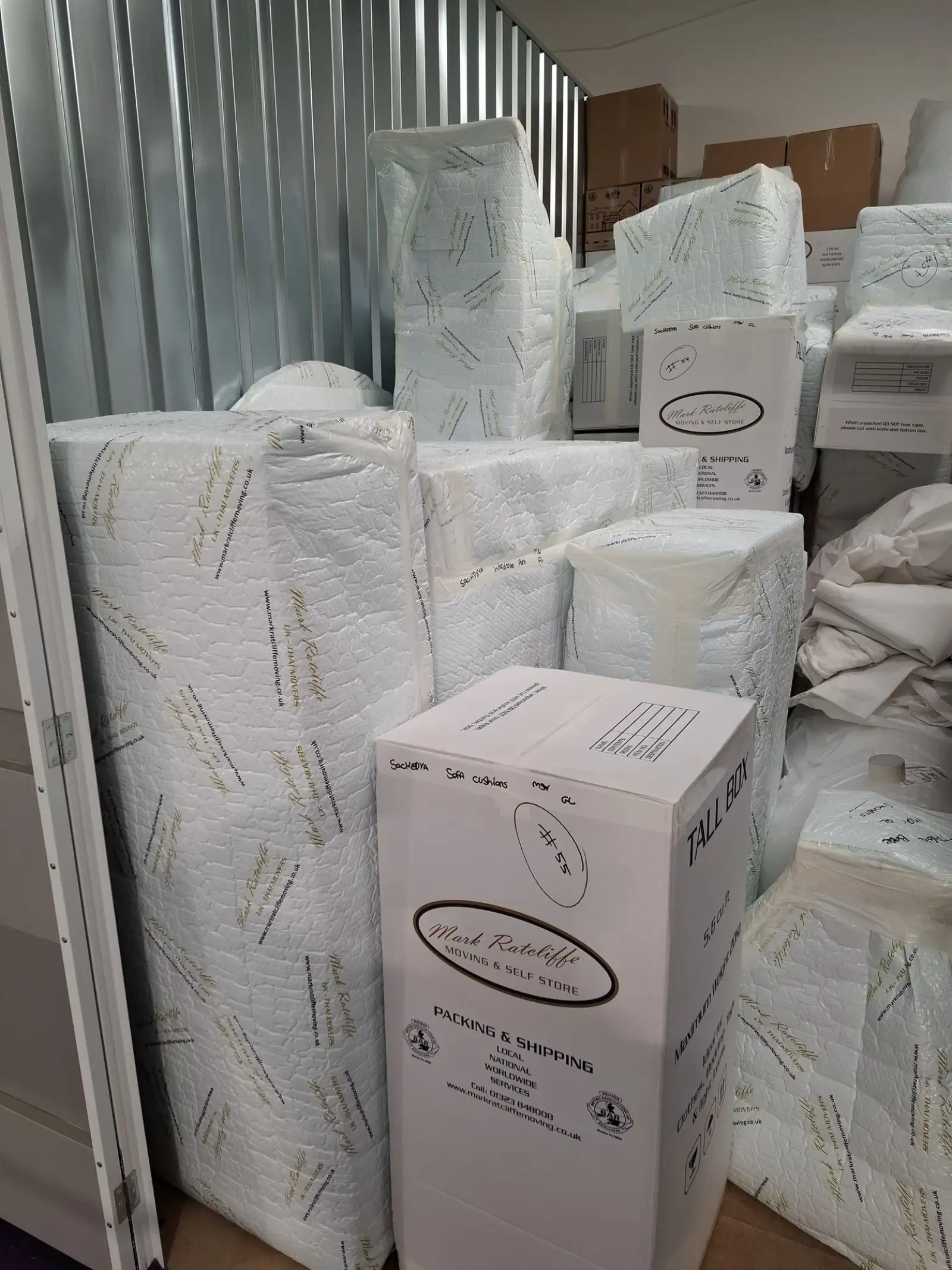
Discover what makes our prestige steel storage rooms better than standard self storage units and why they offer superior protection.
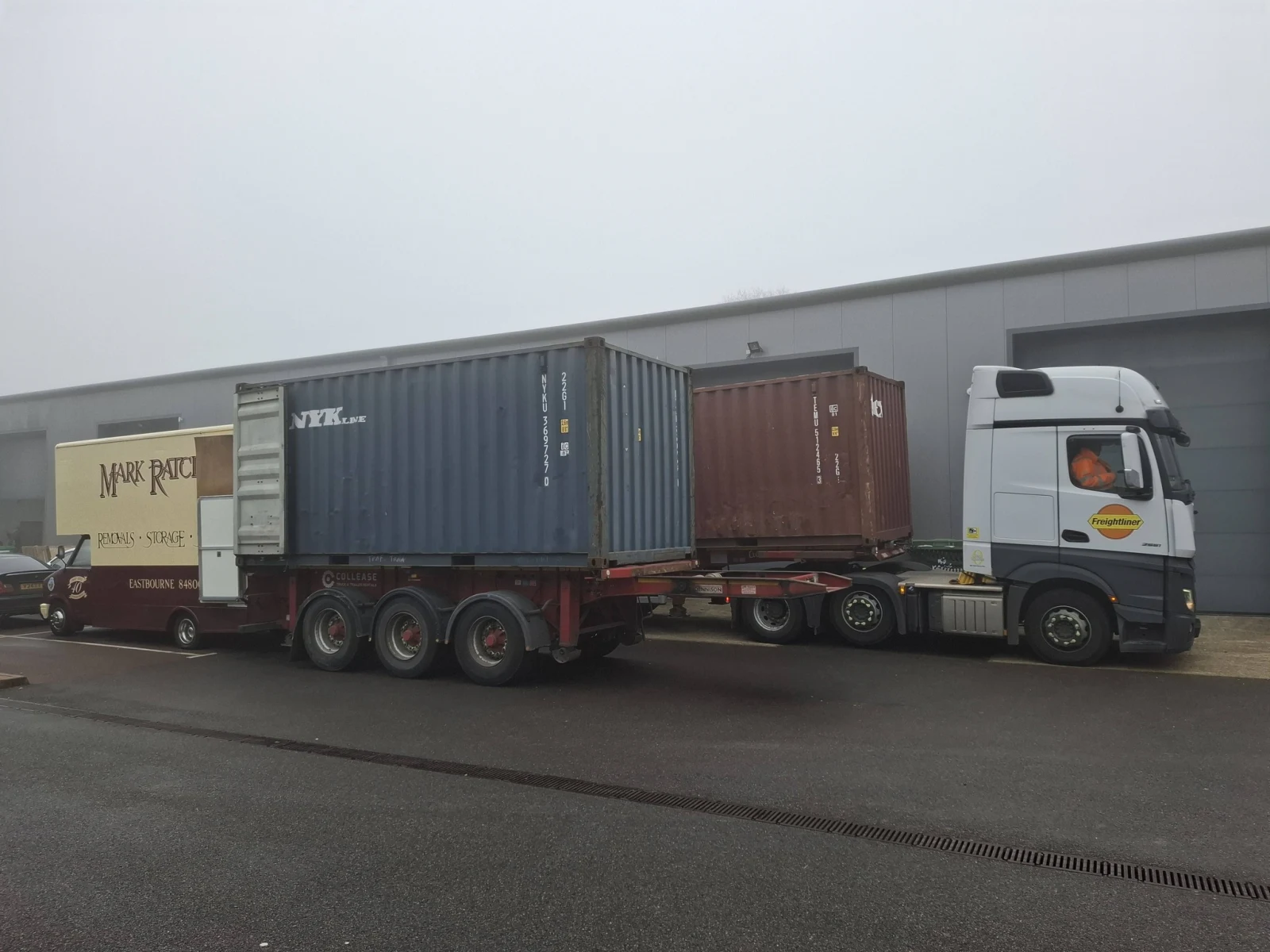
Not sure what type of storage you need? Our guide helps you choose the best storage option based on your specific situation and budget.
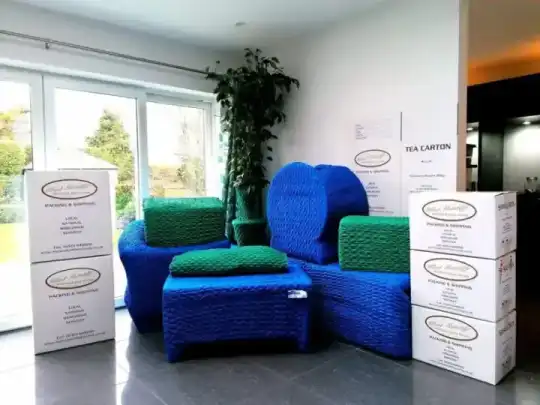
Important safety information – a complete list of items you are allowed and not allowed to store in self storage units.
Tell us what is going in and we will tell you which room size it comes to, in cubic feet and square feet, before you commit to anything. Survey in the house or over video, written quote, one agreement covering the move and the storage together. Sussex rooms start at £18 a week including VAT for the 30 sq ft size and run to £80 for the 200 sq ft, with 250 sq ft and larger quoted from £95, and £5,000 of cover is included in every one of them.
Call the Lower Dicker depot on 01323 848 008 or 07437 414 589, or email office@markratcliffemoving.co.uk.