
Channel Tunnel and ferry routes, post-Brexit customs and the Transfer of Residence relief, real costs and timelines — how a Sussex household reaches France.

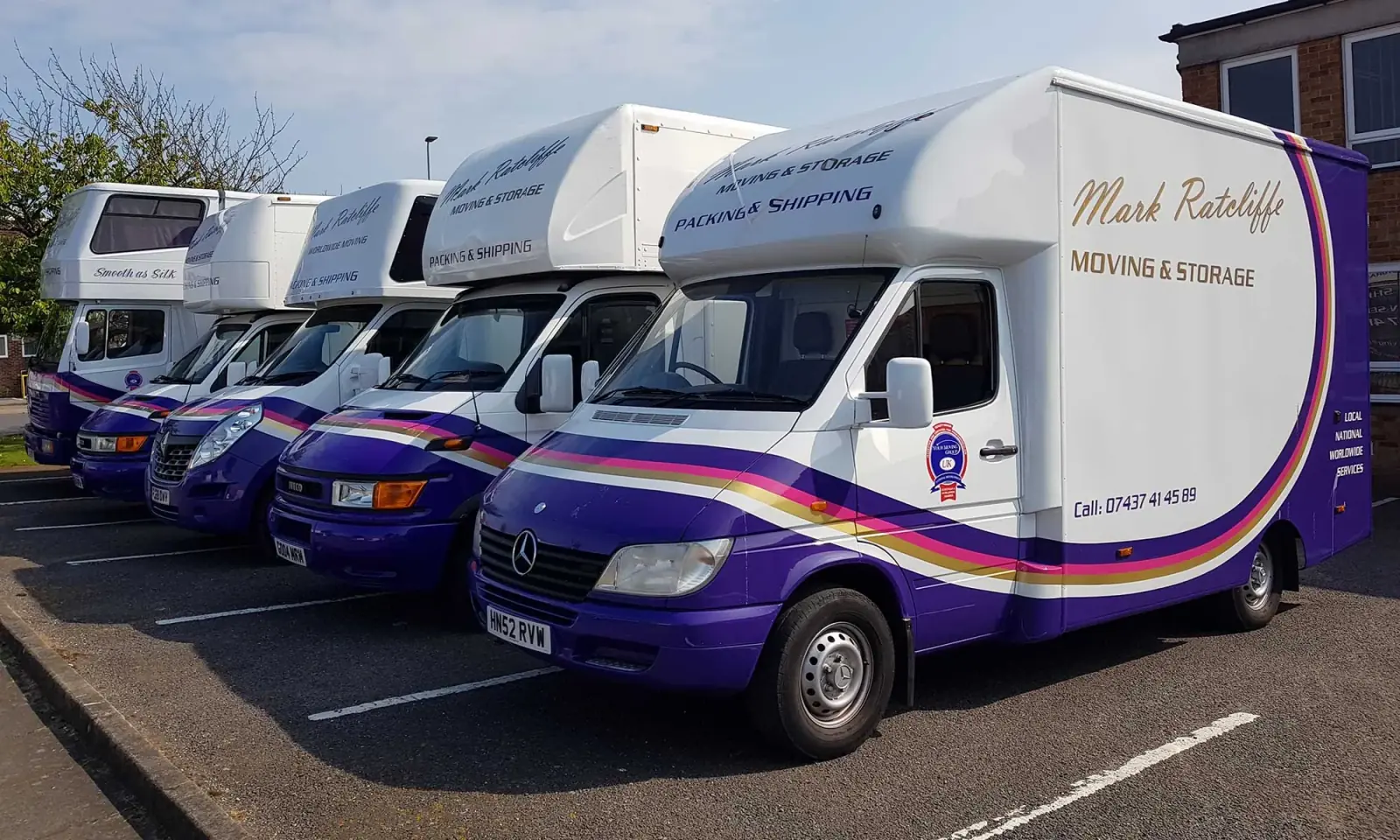
Moving to France from the UK is our single most-requested international route, and being just across the Channel it is the quickest and most predictable European move we do. Since 2017 we’ve taken Sussex homes to the Dordogne, Provence, Charente, Brittany, Normandy and the south coast — farmhouses, village houses, apartments and the occasional château. France is road freight, so no container is needed, but post-Brexit it now needs proper customs paperwork and, for permanent movers, the ToR1 relief. We are a BAR Overseas Group member and file the paperwork ourselves. Our removals to France service covers every region. Whether you are buying a holiday home in Brittany or emigrating permanently to the southwest, the principles stay the same: an in-home survey, a fixed written quote, a deposit-protected booking and our own crews making the crossing rather than a broker you never meet. This guide covers the crossing routes, the post-Brexit paperwork, what a move actually costs and how long it takes, so you can plan your move to France with the full picture in front of you.
France offers space, a gentler pace and value that is hard to match within reach of the UK. The Dordogne and Charente draw families and retirees after a stone house and a garden; Provence and the Côte d’Azur draw sun-seekers; Brittany and Normandy draw those who want to stay close to the ferry home.
The proximity is the practical draw too — a day’s drive, frequent crossings, and the option to keep a foot in both countries. We move permanent emigrants, second-home owners and remote workers in roughly equal measure.
France is a road destination. For the north, west and centre we cross by Channel Tunnel or the short Dover–Calais ferry and drive on; for the deep south, the same crossing then the autoroute south. Total door-to-door transit is usually two to five days depending on region.
Every quote offers a sole-load (your own lorry, direct) or a part-load (groupage) sharing space with other France-bound households — cheaper but on a shared schedule. The load is sealed for customs at Sevington before the crossing.
Since 2021, UK contents entering France need a customs declaration and an itemised inventory; it is more paperwork than the pre-Brexit days but entirely routine when handled properly. We prepare and file it.
Transfer of Residence (ToR1) relief lets permanent movers bring household goods into France free of import duty and VAT, provided you’re moving your normal residence, have owned and used the goods for at least six months, and will live in France for at least 12 months. We file the ToR1 in advance for every eligible mover; second-home moves don’t qualify and are handled differently, which we explain at the survey.
Household contents move freely under ToR1. Wine is fine to bring as part of a household; antiques over a certain age and value may need a UK export licence, which we flag at survey.
Pets travel separately under the pet travel scheme; vehicles are usually best handled by a specialist with timing coordinated to the household. French rural properties often have tight lane access or a courtyard rather than a drive, so we plan the final approach — sometimes a smaller transfer vehicle — in advance.
France is priced by volume rather than by container. A shared load to the north and Paris runs from £95 per cubic metre with a 3 m³ minimum — about £4,275 for a typical three-bedroom household of 45 m³, or roughly £1,710 for a one-bedroom flat. The south and south-west are £115 per cubic metre for the extra distance. A dedicated vehicle starts at £2,650 to the north and £3,450 to the south. There is no UK VAT to add: international removals are zero-rated. Full detail on our removals to France page.
Because France is close, the freight cost is lower than any other international destination we serve, and the fixed customs costs are modest. All quotes are fixed-price after a free survey, with the customs work and destination delivery itemised.
Northern and western France can be done in two to four working days door to door. Central France (Dordogne, Charente) is typically three to five days; the deep south four to six. Part-loads add time while we consolidate compatible loads.
If your French completion date slips, we store at our Lower Dicker depot until you’re ready — common with rural French purchases where notaire timelines move.
Our crew (or a French destination partner for the far south) delivers to the property, places furniture, removes the pad-wrap and reassembles the large pieces. For a village house down a narrow lane or with a first-floor entrance, we plan the handling in advance.
Most movers spend the first weeks registering with the mairie, setting up EDF and water, opening a French bank account and, for permanent movers, beginning the carte de séjour process. We can point you to the right local contacts.
We’re a small, owner-managed Sussex firm doing this since 2017. France is the destination we run most often, with our own crews making the crossing rather than handing the job to a broker, so the people who pad-wrap your home in Sussex are the people who unload it in France.
Every move is fully insured and held to the BS 8564 standard, deposits protected by the BAR Advance Payment Guarantee. Read our reviews or call Mark on 01323 848 008.
The Dordogne and Charente are perennial favourites — stone farmhouses, gentle countryside, an established British community — followed by Provence and the Côte d’Azur for the sun, and Brittany and Normandy for those who want to stay close to the ferry routes home.
We also move regularly to the Loire, the Limousin, Languedoc and the southwest around Toulouse and the Pyrenees, as well as Paris and the larger cities. Rural French properties often have courtyard or first-floor access, or a long unmade lane, so we plan the final approach — sometimes a smaller transfer vehicle — before move day.
France is the shortest international move we do, but a careful pack still earns its keep. Every item is pad-wrapped in your home and fragiles go into export-grade double-wall cartons; the load is sealed for the Channel crossing and not reopened until it reaches your French property.
Wine and kitchen contents travel in purpose-made cartons; antiques and artwork are crated where their value justifies it. The short transit means lower risk than a long sea voyage, but the handling care is the same as on any of our moves — the difference between a move and a damaged move is almost always the packing.
Standard goods-in-transit insurance covers the journey to France; for higher-value households a warehouse-to-warehouse all-risks policy extends cover door to door. Because the crossing is short and the route familiar, French moves are among the lower-risk international jobs we handle — but the cover should still match the value in the lorry.
We value the shipment with you at the survey. Individually valuable pieces — a grand piano, fine art, a wine cellar — can be scheduled separately so they’re insured for their true worth, and our crews handle them with the specialist care those items need.
Because France is close, the timeline is short and forgiving. Four to six weeks out: survey, fixed quote, and the ToR1 paperwork gathered for permanent movers. Two to three weeks out: a deposit secures the date; packing materials delivered for self-packers. Move day: pad-wrap and load, then the Channel crossing.
Transit: two to five days door to door depending on region — northern France in a couple of days, the deep south by the end of the week. We unload, place the furniture and remove the wrapping, and if your French completion slips we store at our depot until you’re ready.
For a permanent move, gather the ToR1 documents early — proof you’re moving your residence, an inventory and evidence of the 12-month intention. For a second-home move the paperwork is different, and we’ll explain it at the survey.
Declutter to keep the load tight, and tell us about French access in advance: many rural properties have a courtyard, a first-floor entrance or a narrow lane rather than a drive, which changes how we plan the unload. Flag wine, antiques or a piano so the right protection travels with them.
Northern and western France two to four working days door to door; central France three to five; the deep south four to six. Part-loads add time while we consolidate.
Yes — UK contents entering France need a customs declaration and an itemised inventory. It's routine and we prepare and file it for you.
For permanent movers, yes — ToR1 relief brings household goods in free of duty and VAT if you're moving your normal residence and meet the ownership and 12-month conditions. We file it in advance.
A sole-load three-bed from Sussex is usually £2,800–£5,500 to northern/central France; the deep south a little more. Part-loads start around £1,500. Fixed-price after a free survey.
A sole-load is your own lorry, direct and fastest; a part-load shares space with other France-bound households — cheaper but on a shared schedule. We quote both.