
One of our shortest French removals: loaded in Sussex on day one, unpacked in Brittany or Normandy on day three or four. Granite cottages, Norman farmhouses and equestrian properties all planned at survey.

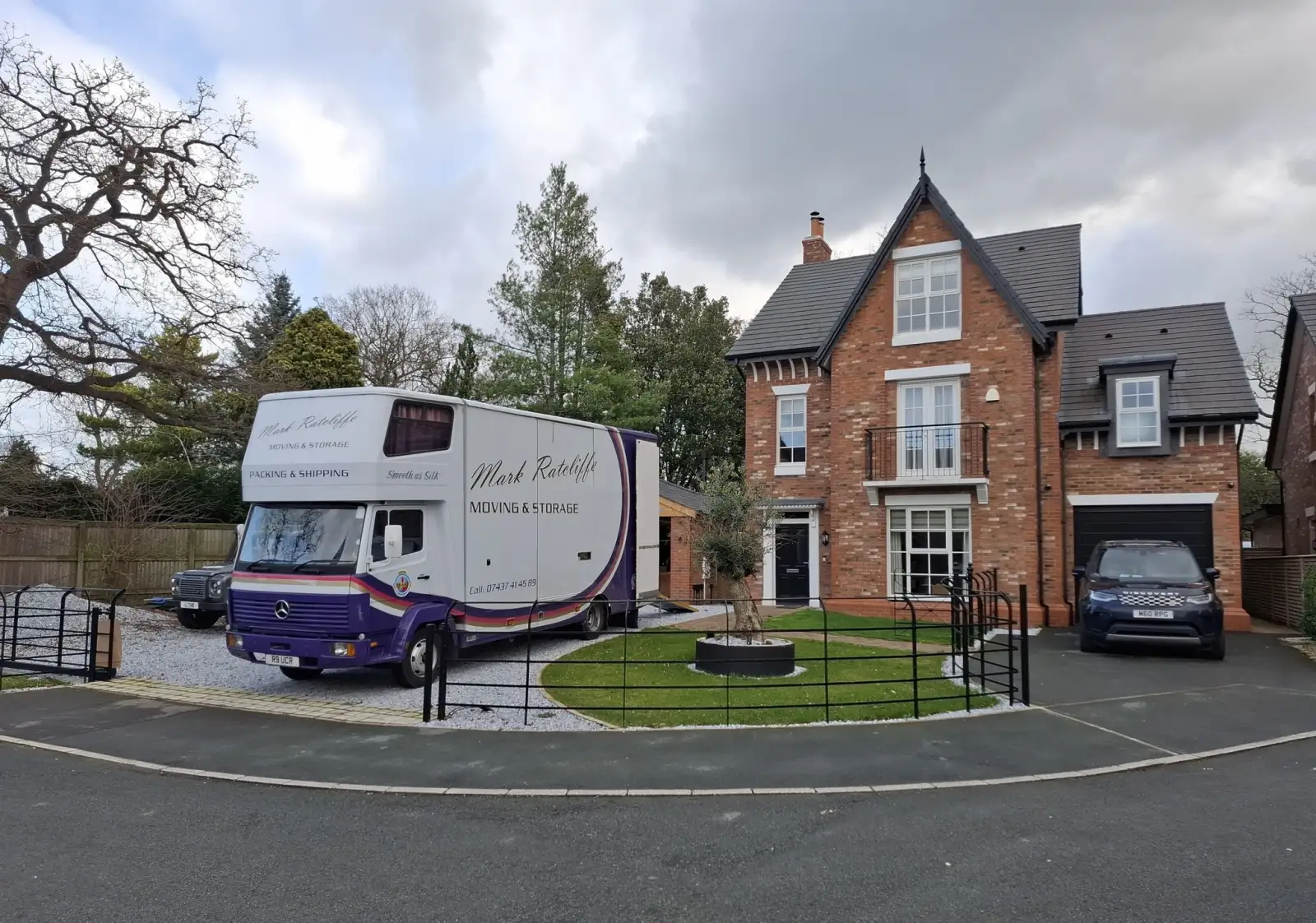
Removals to Brittany and Normandy from the UK are among the shortest French moves we do, and for many customers that is the whole point: a home across the Channel that still feels close to family in England. Saint-Malo, Dinan, Vannes, Caen and Bayeux are towns British people have visited on holiday for generations, and the move itself is quick. What takes care is the property: granite cottages on the Breton coast, half-timbered Norman farmhouses, stables and tack rooms for the horse owners who come here for the grazing.
In Brittany, Saint-Malo is the walled port on the north coast and Dinan, a short way up the Rance, is a medieval town of ramparts and steep cobbled streets running down to the river. In the south, Vannes sits at the head of the Gulf of Morbihan, with its islands and its sailing. Inland Brittany is quieter still: small granite villages, stone longères and plenty of land for the money.
Normandy starts at Caen, a large university city rebuilt after 1944, and Bayeux, home of the tapestry and a cathedral town close to the D-Day beaches. Behind them lie the orchards and stud farms of the Pays d’Auge and the bocage of lanes and hedges further west, which is why so many riders buy here. We deliver across both regions, coast and countryside, on the same service — and if part of the family is heading to the capital instead, our weekly removals to Paris can run alongside.
The draw is partly the coast and partly the closeness. The western ferry ports at Saint-Malo and Caen make trips back to England easy for family visits, even though our removal lorries cross at Calais as standard, and property prices inland are well below what the same money buys in Sussex. It is a region for people who want France without feeling far away: retirees, second-home owners making the move permanent, and families who like being a short hop from grandparents.
Older Breton houses are built from granite with small windows, low doors and a staircase that is often more ladder than stair; Norman houses are frequently timber-framed, with uneven floors and upper rooms under the roof. In both, the question is less whether we can reach the house and more whether a king-size bed base or a three-seat sofa will go where you want it. We measure the pieces that are likely to be tight and, where you can send photographs or dimensions of the new place, we check them before the move.
Equestrian moves have their own list: saddles, bridles, rugs, trunks, feed bins, yard tools and sometimes a small mountain of rugs and numnahs. We pack tack carefully and keep it together so the yard can be set up quickly. The horses themselves travel with a licensed equine transporter, not in a removal lorry. The coast is damp for much of the year, so anything going into an outbuilding or an unheated barn is wrapped to keep moisture out, and we advise against leaving good furniture in a stable for the winter.
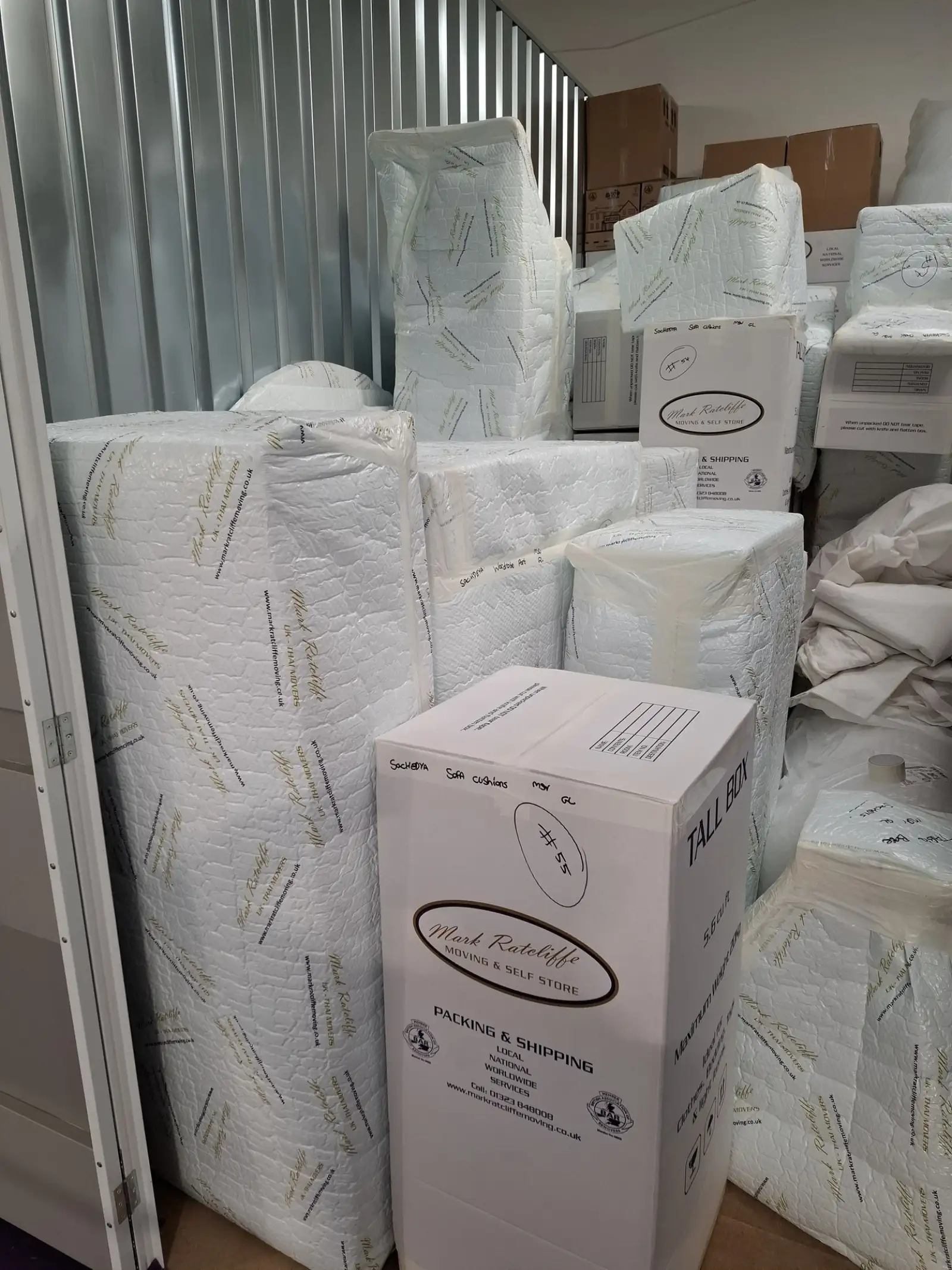
Being close does not make this a domestic move. Since Brexit every load into France is a customs import, whether it is going to Bayeux or Biarritz. For customers moving their main home, we prepare and file the ToR1 transfer-of-residence paperwork ahead of the lorry, and our French destination agent completes the French customs entry, so used household goods normally arrive without French import VAT or duty. The goods need to have been owned and used for at least six months.
The point that catches people in this part of France is timing. Because the crossing is so short, some customers move the furniture first and sort out residency later. Stays beyond ninety days need a visa and then a titre de séjour through the préfecture — Rennes for Ille-et-Vilaine, Vannes for the Morbihan, Caen for the Calvados — and it is worth having that process under way before the house is full, since the customs relief assumes you are genuinely moving there. We are not immigration advisers, but we will match the removal date to where you are in the process.
It is also worth deciding before the survey what you will actually use in France. British plugs need adapters on French sockets, and a fitted kitchen or a set of large white goods is often cheaper to replace locally than to ship, even over this short distance. We will point out anything that is not worth the space on the lorry.
Books, photographs and papers are worth a thought too: a Breton cottage with thick walls and a winter of damp air is kinder to them if they arrive in sealed, well-taped cartons and are unpacked into a heated room.
This is one of our quickest French routes: typically loaded on day one and unpacked on day three or four. Day one is the pack and load in Sussex; day two is customs clearance at Sevington, the Channel Tunnel crossing and the drive west along the coast from Calais; and delivery follows once the crew is legally rested, with Normandy usually reached before Brittany.
From Calais the route follows the coast on the A16, passes Rouen and runs on to Caen on the A13; for Brittany it continues on the A84 towards Rennes and then north to Saint-Malo and Dinan or south-west to Vannes. Good motorways the whole way make this a predictable run, and a sole-use load going direct usually arrives exactly when planned.
The speed of this route is useful when a notaire completion is fixed for a particular morning: we can load in Sussex a couple of days before and have the crew at the house soon after you collect the keys, without the furniture spending a week on the road.
A part-load shared with other customers can take longer, because it travels when the load is complete. If the house is not ready — a notaire date moves, or the roof needs doing before the furniture arrives — we keep everything wrapped and dry in storage before your overseas move at our Lower Dicker depot, which is a far better place for it than a damp barn in December.
We are a small, owner-managed firm based in East Sussex since our founding in 2017, and France is where more of our customers go than anywhere else abroad. Our own crew packs, loads and drives, so the person who wrapped your grandmother’s bureau is accountable for how it arrives. Choose our complete packing service for the whole house, or take our removal boxes and wrap and pack at your own pace. Heavier and more fragile pieces get export packing, a custom-built crate where the item warrants it, and a piano goes with our piano removal team.
We are members of the British Association of Removers Overseas Group, working to BS 8564 for overseas removals. See the full guide to moving to France and our European removals service for the wider picture, read reviews from our customers, or learn about our family firm and ring Mark on 01323 848 008.
Thinking further south? These are the other parts of France our road removals cover regularly.
It is one of our shortest French routes: typically loaded on day one and unpacked on day three or four, allowing for customs clearance at Sevington and the Channel crossing.
No. Horses need a licensed equine transporter. We move everything else on the yard — saddles, bridles, rugs, trunks and equipment — and pack the tack so it is easy to set up again.
Yes. Since Brexit every removal into France is an import. Permanent movers normally use the transfer-of-residence relief, and we file the ToR1 paperwork before departure.
Wrapped well and kept in the heated part of the house, it should be fine. We advise against leaving good furniture in an unheated barn or stable over winter, and can store it dry at our Lower Dicker depot until the house is ready.
Usually, with planning. We check the street and the entrance at survey and, if the lorry cannot stop outside, arrange a shorter carry or a smaller vehicle for the final stretch.
Call us for a free, no-obligation quote, or use our online form. Whether it is a shared part-load or a whole house, we have handled the route before and we will handle yours with care.