
Door-to-door removals from the UK to Germany, run by road from our Lower Dicker depot with collections nationwide. Full loads and shared part-loads, packing for Altbau staircases and fitted kitchens, and the post-Brexit customs paperwork prepared before departure.

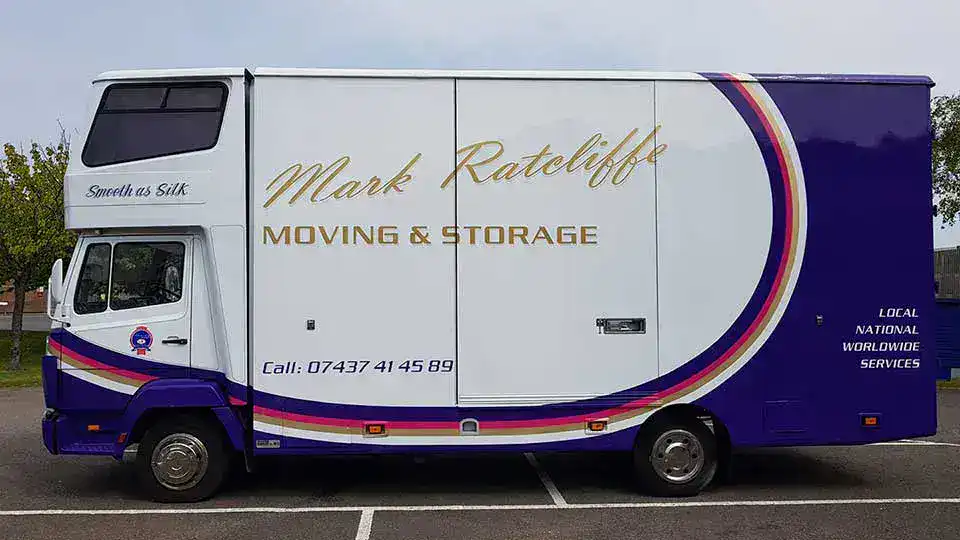
Removals to Germany from the UK are mostly work moves. A job in Frankfurt’s banks, Munich’s engineering firms or Berlin’s technology sector, often with a start date that does not move and an employer paying for the relocation. Germany is a quick route by road and the country runs to rules, which is good news — provided you know the rules. The things that go wrong on German moves are rarely the drive. They are the parking zone nobody applied for, the fitted kitchen nobody measured, and the fifth-floor flat with no lift.
Berlin is the largest city and the most varied delivery: grand pre-war apartment blocks in Charlottenburg and Prenzlauer Berg, modern developments in the east, and courtyards set back from the street. Munich brings the automotive and engineering employers and some of the tightest parking in the country. Frankfurt is the financial centre, and a good share of that work arrives with a corporate relocation package. Hamburg, the port city, and the Rhine-Ruhr cities of Düsseldorf and Cologne account for much of the rest, along with Stuttgart in the south-west.
We deliver to the whole country on the same service, from the North Sea coast to the Bavarian Alps. Germany is large, but its motorway network is good enough that the destination region rarely changes the timeline much — the access at the address matters far more than the distance to it.
In most German cities you cannot simply pull a removal vehicle up outside a building and start unloading. The standard answer is a Halteverbotszone — a temporary no-stopping zone, marked out with official signs placed days in advance, which keeps the kerb clear for the vehicle on moving day. It has to be applied for from the local authority, the lead time varies from city to city, and in the big cities it is worth allowing a couple of weeks.
Without one, the crew may be carrying everything from a vehicle parked down the street, which is slower and costs more, or the delivery may not be possible at all that day. We raise it at survey stage and plan the delivery date around it, so the zone is in place when the vehicle arrives rather than being discovered as a problem on the morning.
Two German habits surprise British movers. The first is the kitchen. Many rental flats in Germany are let without one — the outgoing tenant takes theirs — so you may need to bring a kitchen, buy one, or take your fitted units with you. If you are taking them, we dismantle, label and pack every unit; reconnecting water, gas and electrics at the other end is a job for a qualified local fitter.
The second is the building. A pre-war Altbau has high ceilings, beautiful proportions and, very often, no lift and a staircase that winds up five floors. Newer blocks have lifts, but they are frequently small. Where a sofa or a wardrobe will not go up the stairs, an external furniture lift through the window is the normal German solution, and it needs the street space that the parking zone provides.
We measure for all of this at survey, so the vehicle, the crew size and any lift are planned before the day.
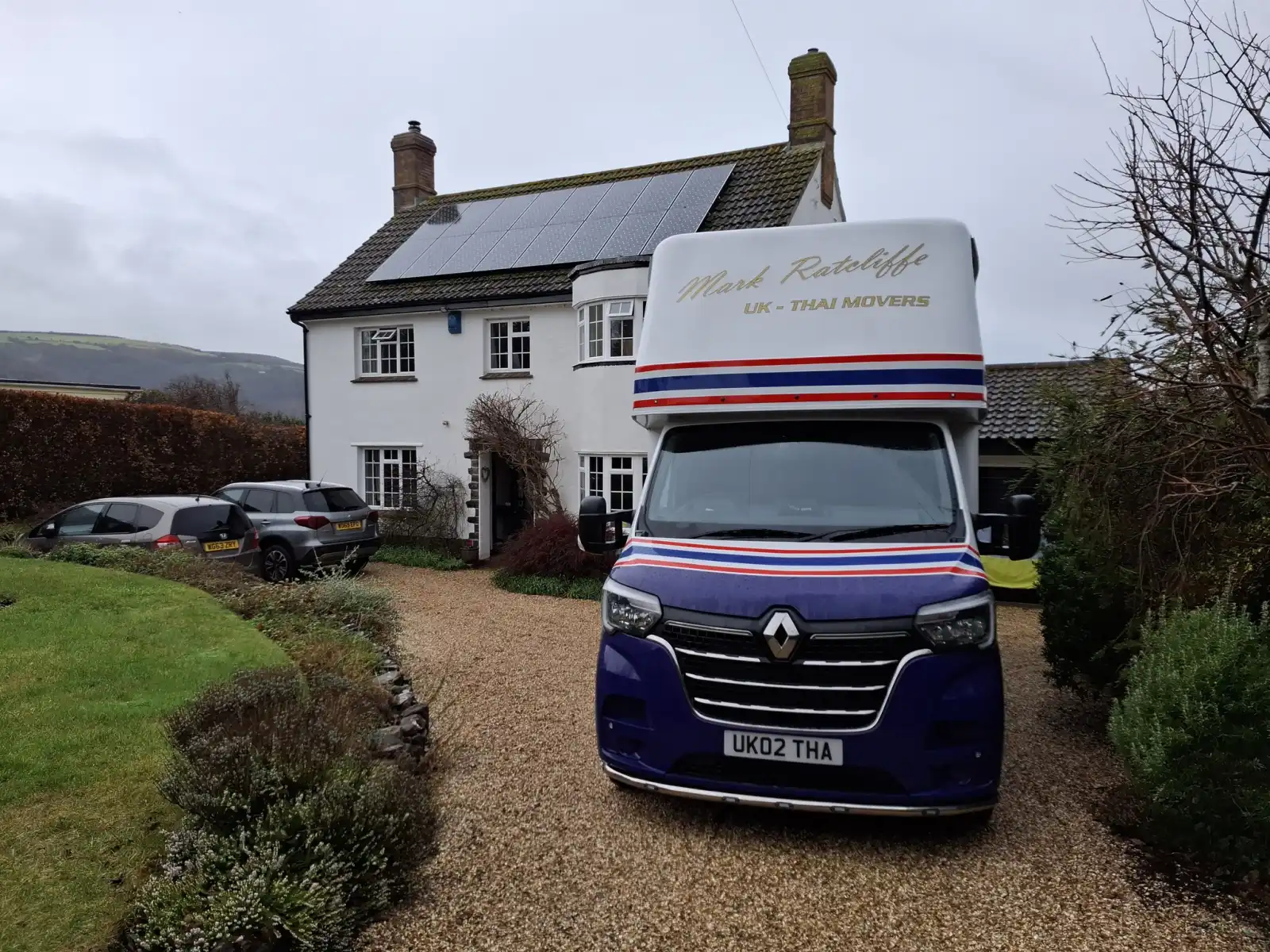
Germany is in the EU and the UK is not, so a move to Germany is now a formal import. Used household effects can normally come in free of duty and import VAT as Übersiedlungsgut — removal goods — when you are transferring your normal residence. The standard EU conditions apply: at least twelve months living outside the EU, the goods owned and used for at least six months, and imported within twelve months of establishing residence. Alcohol, tobacco and vehicles are handled separately.
Proof of residence matters, and in Germany that means the Anmeldung: registering your address with the local authority, which is required within two weeks of moving in. Your registration, your employment contract or residence permit, and a numbered, valued inventory make up the core of the file. The German customs administration publishes the current rules, and we prepare the paperwork with you before your vehicle leaves the depot.
Germany is one of our quicker European routes. From collection, a typical door-to-door move completes in 5–8 days, the same figure we publish across our European removals service and for our removals to the Netherlands, which shares much of the route.
A sole-use load going direct sits at the fast end of that window; a shared part-load waits for the scheduled departure. German law restricts heavy goods vehicles on Sundays and public holidays, and those holidays vary from one federal state to the next, so a delivery date is planned around the calendar at your destination. The other real variable is the parking zone: if it needs longer to arrange, that sets the date rather than the drive.
We are a family-run Sussex firm, established in 2017, and international work is a weekly part of what we do rather than an occasional sideline. The crew who pad-wrap your furniture in Britain are the people who load it, so nothing is handed between strangers before it leaves our Lower Dicker depot. Where an employer is paying, we provide the itemised valued inventory and fixed delivery window a relocation package usually requires. If you would rather not pack at all, our full packing service covers the whole house; if you are doing the boxes yourself, we deliver export-grade packing materials beforehand. Anything fragile or valuable — a marble top, a mirror, a painting — goes in a purpose-built box from our custom crate service, and a piano gets the specialist handling it needs.
We are a member of the British Association of Removers Overseas Group and work to the BS 8564 standard for international removals. If your dates do not line up — a sale completing before the new place is ready — we can hold everything in storage before shipping and send it on when you are. Read our customer reviews, or call 01323 848 008 and talk the move through with Mark.
Typically 5–8 days door to door from collection. A sole-use load going direct sits at the fast end; a shared part-load waits for the scheduled departure, which is what keeps the cost down. Sunday and public-holiday restrictions on heavy vehicles, which vary by federal state, are planned into the delivery date.
It is a temporary no-stopping zone, marked with official signs placed days in advance, that keeps the kerb clear for the removal vehicle. In most German cities it is the difference between unloading at the door and carrying everything from down the street. It is applied for from the local authority and the lead time varies, so we raise it at survey stage.
Yes. Many German rental flats are let without a kitchen, so plenty of people take theirs. We dismantle, label and pack every unit and appliance for the journey. Reconnecting water, gas and electrics at the other end should be done by a qualified local fitter, and it is worth measuring the new kitchen space before you decide.
Normally not. Used household effects can come in free of duty and import VAT as removal goods when you are transferring your normal residence, provided you have lived outside the EU for twelve months, owned and used the goods for six, and import them within twelve months of establishing residence. Your Anmeldung is key evidence.
Yes. A good share of our German work comes with an employer relocation package. We provide an itemised valued inventory, a fixed delivery window agreed in advance, and can invoice an employer or relocation management company directly.
Call us for a free, no-obligation quote, or use our online form. Whether it is a shared part-load or a whole house, we have handled the route before and we will handle yours with care.