
Gauteng is inland, so every move here is two journeys: a sea voyage to Durban or Cape Town, then a road haul up to the Highveld. We plan both legs, the SARS paperwork and the estate security access as one move.

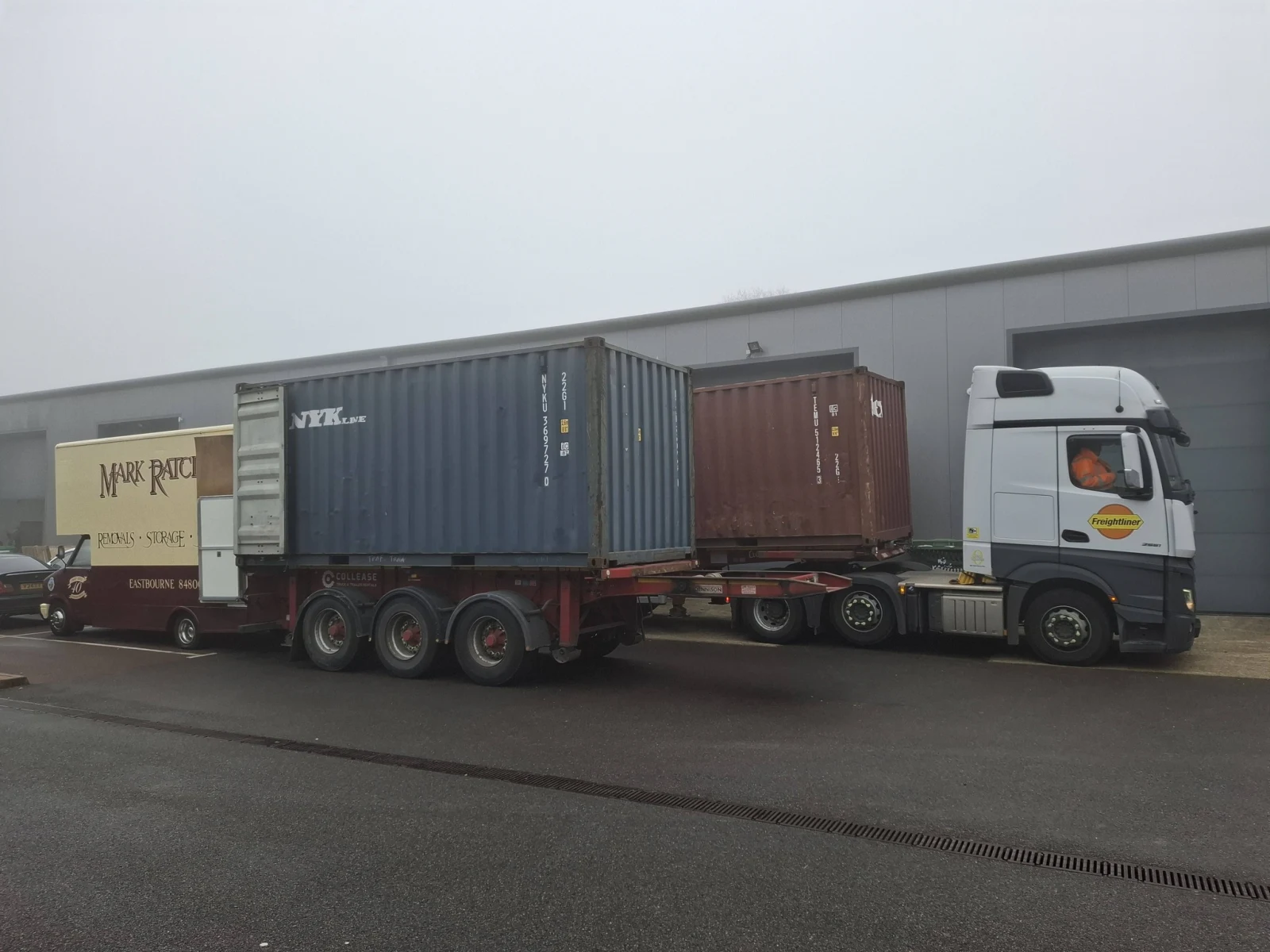
Removals to Johannesburg and Gauteng from the UK tend to be work moves with a date attached. A finance role in Sandton, an engineering contract, a government or diplomatic posting in Pretoria, a critical-skills visa with an employer waiting at the other end. Gauteng is South Africa’s economic engine and its smallest province, but it is also several hundred kilometres from the nearest port. That single fact shapes the whole move: your container sails to the coast, clears customs there, and is then driven up to the Highveld on a truck. Planning a Johannesburg move is mostly about making sure the second journey starts the day the first one ends.
Sandton is the business district and the address most corporate relocations are aimed at, with apartment towers close to the offices and family homes in the leafy suburbs around it. North of Sandton, Fourways and Midrand are dominated by walled estates and townhouse complexes, which is where many families with children choose to live. The older northern suburbs of Johannesburg have larger freestanding houses on generous plots behind high walls and electric gates.
Some fifty-odd kilometres to the north, Pretoria is the administrative capital and home to government departments and embassies, so a good share of our Pretoria work is diplomatic and public-sector. Centurion, between the two cities, is popular with people who work in one and want easy access to the other. Wherever you are heading in the province, the service is the same one described on our removals to South Africa page; what changes is the road leg and the access at the gate.
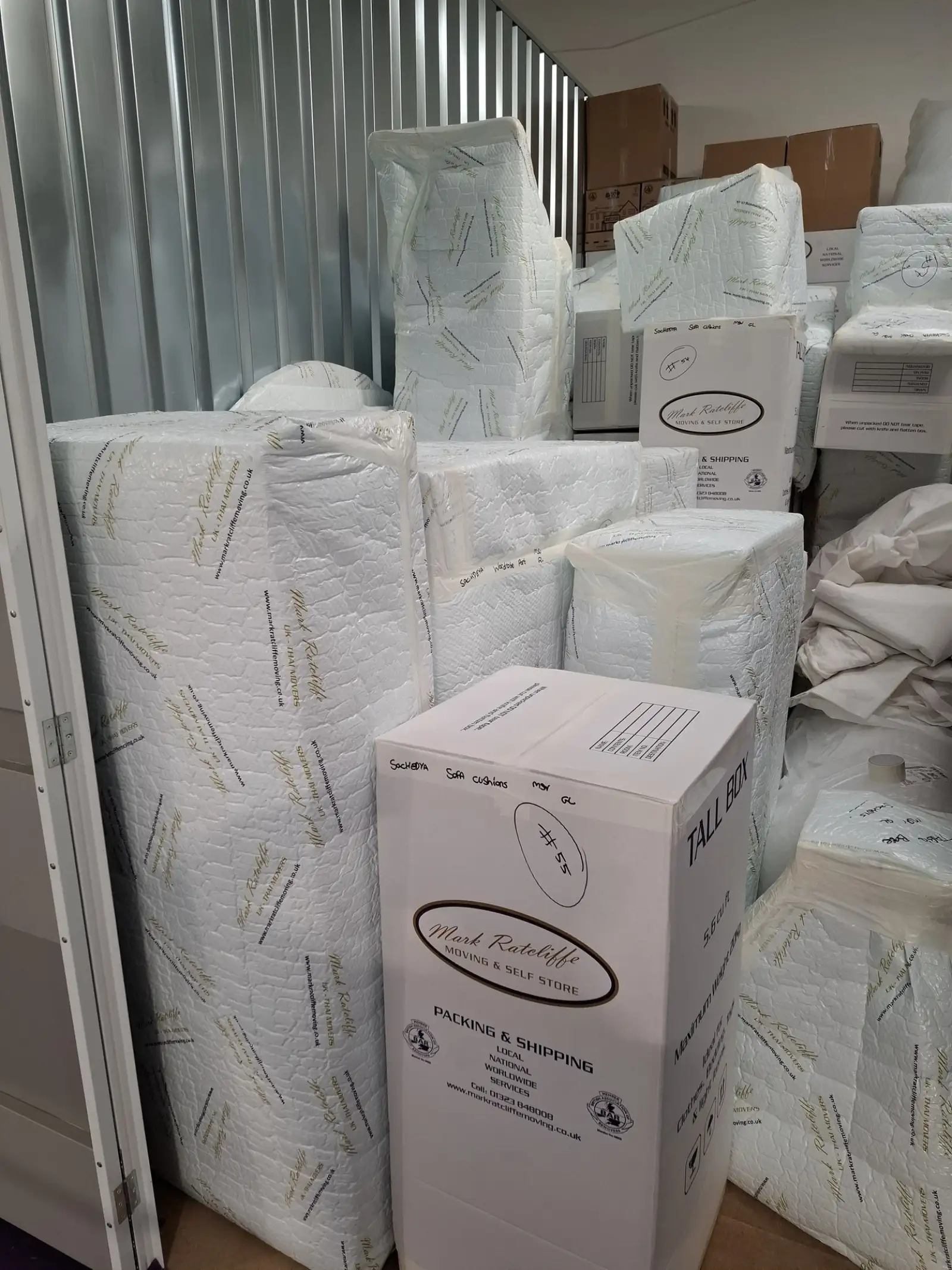
The container reaches Gauteng in one of two ways. From Durban it is roughly six hundred kilometres up the escarpment to Johannesburg; from Cape Town it is well over a thousand, the length of the country on the N1. Which port we use depends on the sailing schedule, and either way the drive itself adds only a few days. What adds time is waiting: for the container to be released, for a truck slot, for the right delivery day at the estate. Your furniture has to be packed for the voyage and for a long road haul afterwards, which is why we treat Gauteng loads as two-stage moves when we wrap and load them.
Then there is the gate. Most Gauteng estates and complexes run strict access control: a guardhouse, a boom, a list of approved vehicles and drivers, and set hours when removal trucks are allowed in — many do not permit deliveries at weekends. Some limit truck size, which can mean transferring to a smaller vehicle outside. The body corporate or managing agent usually wants notice, and sometimes a deposit against damage to common areas.
We ask for the estate’s rules at survey stage and pass them to our destination agent, who arranges the access permit and delivery window before the truck leaves the port. Solid timber that has lived in a damp British house can also move a little in the dry Highveld winter, so we advise on that at survey too. Pianos, antique chests and good dining tables are the pieces to watch, and a humidifier in the first winter is a sensible, inexpensive precaution.
Many Gauteng movers arrive on a critical-skills visa, and that is one of the permit categories that supports the P1.160 rebate on used personal effects — alongside permanent residence and a relative’s permit. A visitor visa does not. The rebate covers household goods you have owned and used for at least six months. Customs clearance happens at the coastal port, not in Johannesburg, so the paperwork has to be ready and correct before the ship docks: if SARS holds the container at Durban, the inland truck cannot leave.
Two Gauteng patterns catch people out. The first is buying new: a family relocating for work often replaces a television, a laptop or a washing machine just before the move, and items acquired in the last six months may attract duty plus 15% VAT. The second is the car. Vehicles run under the Letter of Authority scheme administered by the NRCS; UK right-hand-drive cars suit South African roads, but the paperwork is technical and the duty on a newer car can be significant. A specialist vehicle shipper handles that, and we coordinate so the car and the household arrive in a similar window. Current rules are on the SARS website, and our South Africa moving guide covers the wider picture. Electronics are worth packing properly for the double journey; our advice on packing electronics safely applies in full.
Allow 6–9 weeks door to door for Johannesburg, Pretoria and the rest of Gauteng. The sea leg to Durban or Cape Town is the same one coastal movers take; the difference is SARS clearance at the port, typically 5–14 working days, followed by the road haul inland, which adds two to four days of driving. An LCL shared consignment adds 2–3 weeks on top, so for a work move with a firm date a sole-use container is usually the safer choice.
If your employer’s timetable and your lease do not line up — the job starts before the house is available, or the UK sale completes early — we can hold everything at our Lower Dicker depot through our storage before shipping service and release it to the port when the Gauteng end is ready. It is far easier to delay a sailing than to pay for a container sitting at a South African port. Some employers book temporary accommodation in Sandton for the first few weeks, which gives you time to choose an estate before the truck needs an address.
Corporate relocations need a mover who gives straight answers on dates, and that is how we work. We are a family-run East Sussex firm, established in 2017, and Mark or a senior surveyor will tell you plainly which parts of a Gauteng timeline are fixed and which depend on the port. Our crew pack your home in Sussex, Kent or wherever you are collecting from, wrap every piece for a sea voyage followed by a long road haul, and load the container themselves at your door.
For a busy household, our full packing service means you can keep working until the day the crew arrive. Artwork, glass and anything that must not flex on a truck goes in our custom crate service, and our export packing and crating is built for the double journey. We belong to the BAR Overseas Group and work to BS 8564, the standard written for international removals. See how we handle international removals from Sussex, read our reviews from customers, or call 01323 848 008. If your move is to the coast instead, our pages on removals to Cape Town and removals to Bloemfontein show how those routes compare.
If your new home is on the coast rather than the Highveld, the shipping plan changes. These pages cover the other South African regions we deliver to.
Allow 6–9 weeks door to door. The container sails to Durban or Cape Town, clears SARS customs at the port, and is then road-hauled inland to Gauteng, which adds two to four days of driving once it is released.
No. Clearance happens at the coastal port where the ship docks, so your P1.160 paperwork and inventory must be complete before the sailing. The truck to Gauteng cannot leave until SARS releases the container.
Yes. Send us the estate rules and the managing agent’s contact at survey stage. Our destination agent arranges the access permit, driver details and delivery window with the body corporate before the truck sets off from the port.
A critical-skills visa is one of the categories that supports the P1.160 rebate on used personal effects owned and used for at least six months. Anything bought in the six months before the move may attract duty plus 15% VAT.
Yes. Pretoria, Centurion, Midrand and the rest of Gauteng are served on the same route, with the same inland road haul from the port and the same 6–9 week window.
Call us for a free, no-obligation quote, or use our online form. Whether it is a shared part-load or a whole house, we have handled the route before and we will handle yours with care.