
Sailings to Port Elizabeth are less frequent than to Cape Town or Durban, and some go via Cape Town transhipment. We plan the Eastern Cape route honestly around that, with a 6–8 week door-to-door window.
Removals to Port Elizabeth and the Eastern Cape from the UK are a smaller route than Cape Town or Durban, and we would rather say so at the start than let it surprise you later. Fewer ships call at Port Elizabeth, and some consignments travel via Cape Town and are transferred onto another vessel for the last leg. That is why the Eastern Cape has its own timeline rather than borrowing Cape Town’s. The people who make this move know exactly why they are going: family in Gqeberha or East London, a post at a university in Makhanda, a surf house near Jeffreys Bay, or a return to the province they grew up in.
Port Elizabeth was renamed Gqeberha in 2021 and sits within the Nelson Mandela Bay metro on the shores of Algoa Bay. You will see both names used on documents for a while yet, and we use both so nothing gets lost in the paperwork. Most of our deliveries here are to the established suburbs close to the beachfront and to newer estates on the western side of the city.
East London, a few hours up the coast on the Buffalo River, is the province’s other port city and has a quieter, more local feel. Inland, Grahamstown — now officially Makhanda — is a small university and school town, so many of the moves we plan there are academics and teachers taking up posts. West of Gqeberha, Jeffreys Bay and the coastal villages draw surfers and retirees. The full service behind all of this is described on our South Africa removals overview.
A fair number of the people we move to the Eastern Cape are returning home rather than emigrating. Someone who grew up in Gqeberha or East London, spent a working life in Britain, and is now going back to be near parents or grown-up children tends to know the province far better than we do. What they want from us is the British end done properly: a careful survey, an accurate inventory, a container that arrives with nothing broken, and a straight answer about which sailing it will be on. Others are newcomers drawn by a university post, a slower pace or the coastline, and for them we spend more time at survey on what life at the delivery end will involve, from access at the property to what is worth selling rather than shipping.
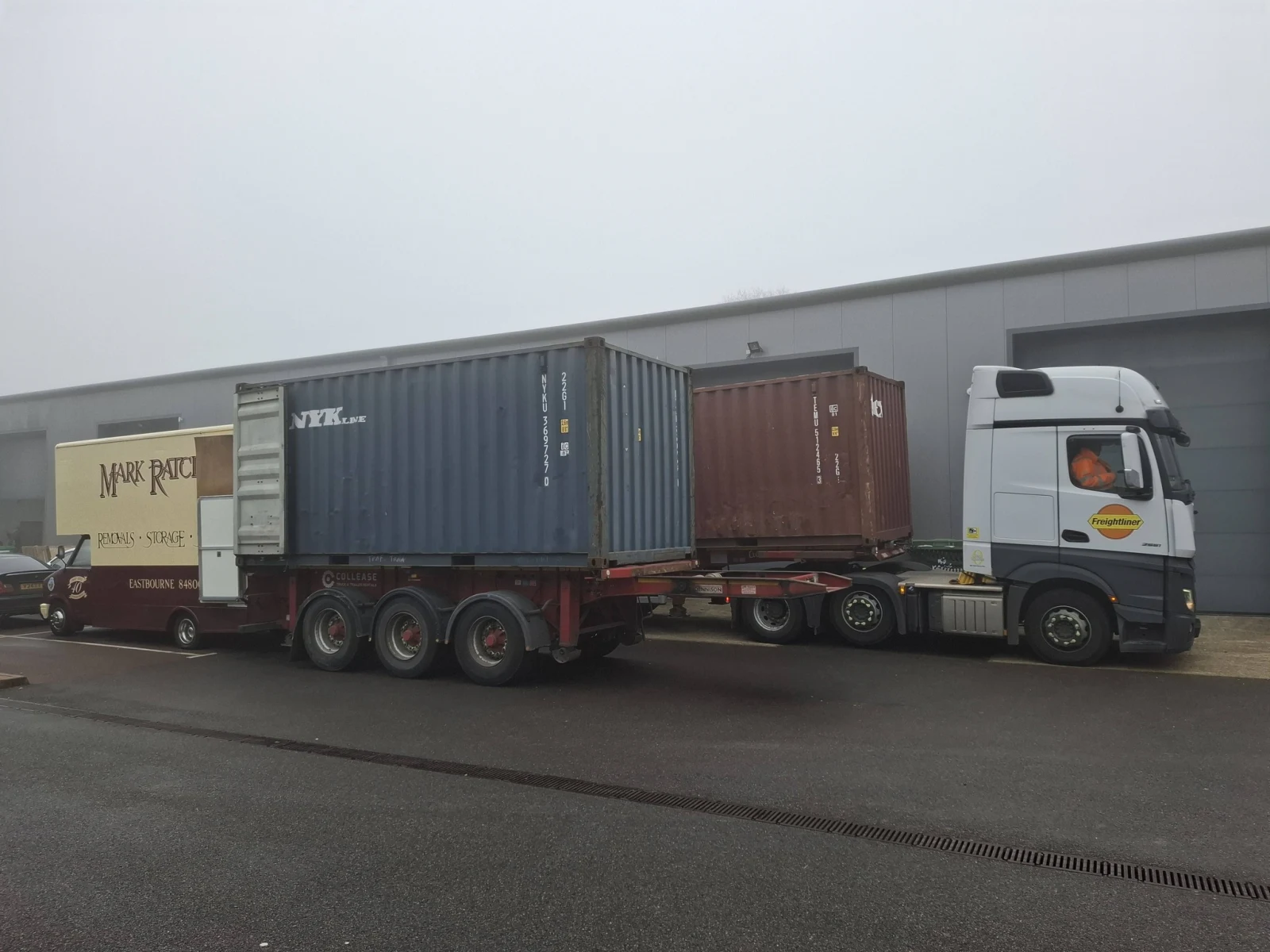
When a consignment is transhipped at Cape Town, the container is lifted off one ship and onto another. It stays sealed, but it is handled one extra time, and it may wait at the quayside for the connecting vessel. That is exactly why we load Eastern Cape containers tightly, with no voids for anything to shift into, and why every piece is pad-wrapped and every carton is export-grade. The route adds handling; the packing has to allow for it.
Gqeberha is known locally as the Windy City, and it earns the name. Carrying a mattress, a large painting or a glass-fronted cabinet between a truck and a front door in a strong coastal wind needs more hands and more time, and that is planned in rather than improvised. Away from the city, deliveries to Makhanda or the smaller coastal towns can involve narrow older streets, gravel access roads and houses with steps up from the pavement, so our destination agent will check the route and the vehicle size before the day.
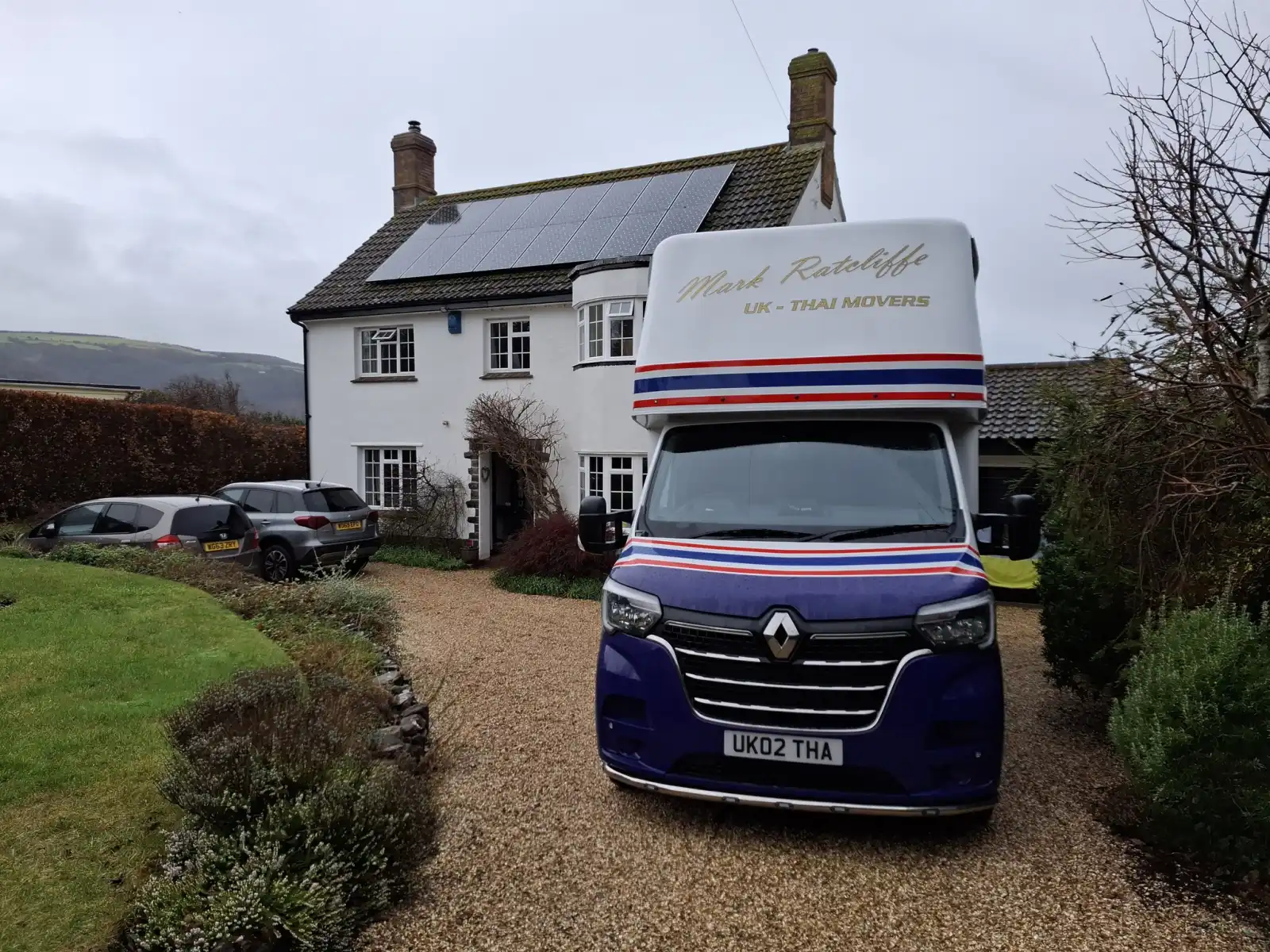
Send us photos of the approach and the entrance at survey stage. It is the quickest way to spot a problem while it can still be solved cheaply. A picture of a narrow gate or a steep front path tells our destination agent more than a paragraph of description, and it means the right number of people and the right vehicle turn up in Gqeberha on the day.
Wherever the ship docks, clearance still rests on two documents. The first is the P1.160 application for a rebate of duty on used personal effects, which our destination agent files against your residency documents. It needs a permanent residence permit, a critical-skills visa or a relative’s permit, and covers goods you have owned and used for at least six months; a visitor visa does not qualify. The second is the inventory, and on a less frequently served route an avoidable query costs more time, because the next available slot may be further away.
SARS wants the inventory in English with valuations in Rand, and it must match the container. So we build it with you room by room at survey, number every carton, and describe the contents in plain terms — “kitchen: saucepans and utensils”, not “misc”. Old family pieces raise a separate British question: antiques over a hundred years old may need a UK cultural export licence, depending on value, before they can leave at all. We handle those through our antiques moving service. The official requirements are on the SARS website, and our guide to moving to South Africa explains how returning residents are treated.
Allow 6–8 weeks door to door. The extra time compared with Cape Town comes from less-frequent sailings and, on some consignments, transhipment at Cape Town; once the container is presented, SARS clearance typically takes 5–14 working days if the paperwork is in order. East London and Makhanda add a road leg from the port after clearance.
Because the sailings are fewer, the booking date matters more here than on other routes. We would rather hold your goods safely for a week or two than rush them onto a sailing that misses its connection, and our storage before shipping overseas at Lower Dicker, in steel strong rooms, is there for exactly that. A shared LCL consignment adds 2–3 weeks for consolidation, which on this route needs weighing against the saving.
A thinner route rewards a careful planner, and honest timing is what we offer first. We are an East Sussex family business, established in 2017. Mark or one of our senior surveyors will tell you which sailing we are aiming for, whether it is direct or transhipped, and what that means for your date, rather than quoting a best case and hoping. Our crew pack and load in your home, and the container is sealed with you watching.
Our export packing and crating is designed for loads that will be handled more than once, and a bespoke wooden crate protects anything that cannot risk a knock. The full packing service covers the whole house, and a piano is moved by our piano moving team. We are members of the BAR Overseas Group and work to the BS 8564 standard. Learn more about Mark Ratcliffe Moving, read what our customers say, or call 01323 848 008. Moving further west? Our Cape Town removals page covers the direct route.
The Eastern Cape sits between the two busiest routes. These are the other South African regions we ship households to.
Allow 6–8 weeks door to door. Sailings to Port Elizabeth are less frequent than to Cape Town or Durban, and some consignments travel via Cape Town transhipment, which is what makes the window longer.
Yes. The city was renamed Gqeberha in 2021 and sits within the Nelson Mandela Bay metro. Both names still appear on documents, and we use both on your paperwork to avoid confusion.
The sealed container is moved from one ship to another at Cape Town for the last leg. It is not opened, but it is handled an extra time, so we load tightly with no voids and export-wrap every piece.
Yes. Both are served from the Eastern Cape on the same service, with a road leg after SARS clearance. We check access and vehicle size with our destination agent before the day.
Usually, but antiques over a hundred years old may need a UK cultural export licence depending on value, and they must be listed and valued in Rand on the SARS inventory. We advise on both at survey.
Call us for a free, no-obligation quote, or use our online form. Whether it is a shared part-load or a whole house, we have handled the route before and we will handle yours with care.