
Container and shared-load removals from Sussex to Australia’s smaller capitals, transhipped via Melbourne or Sydney. One survey, one fixed quote, and packing that holds up to the extra handling and the local climate.

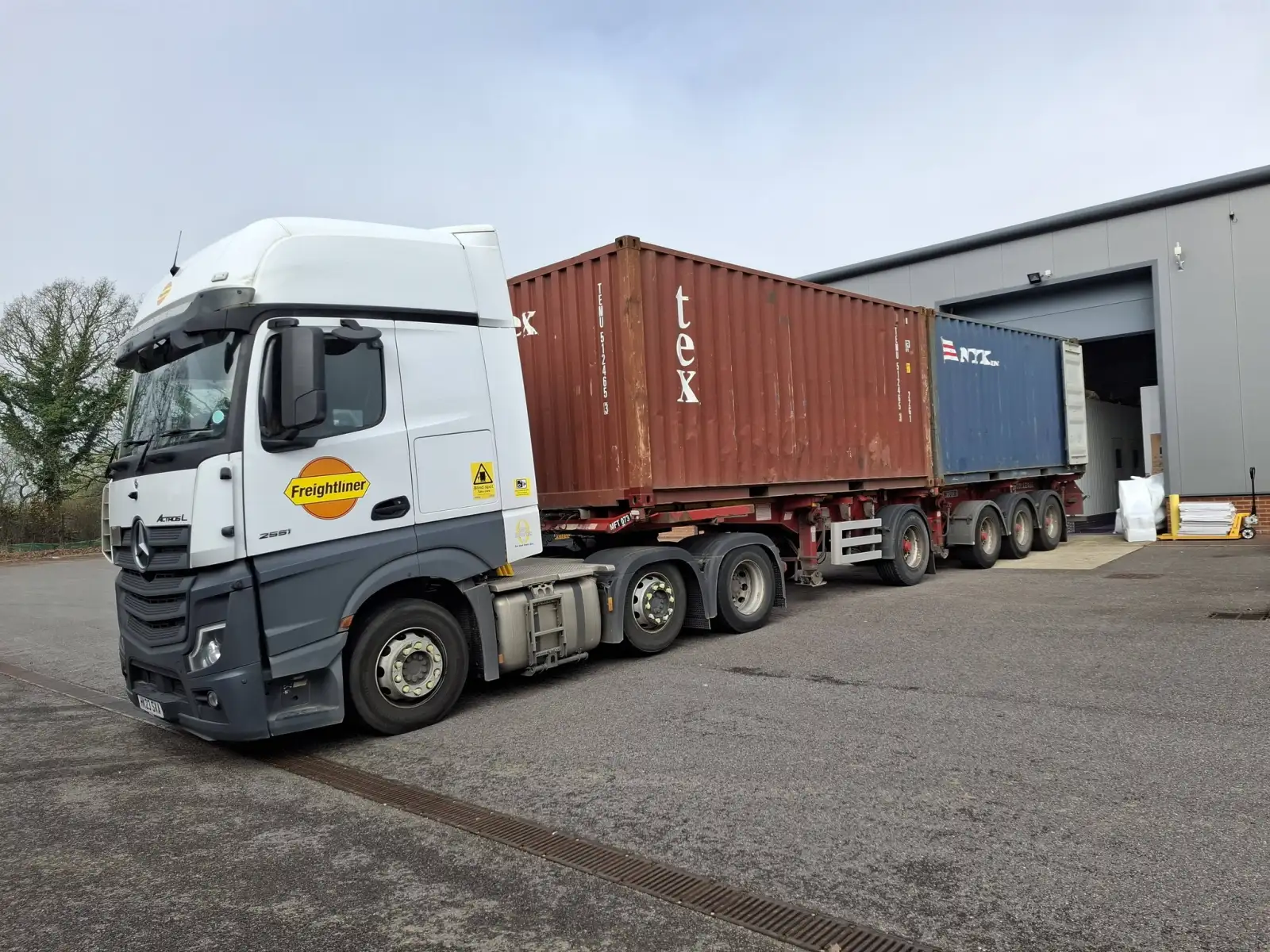
Removals to Adelaide, Hobart, Canberra and Darwin from the UK go to four very different places, and the thing they share is not climate or lifestyle but logistics. None of them is a regular first port of call for the big container ships from Europe, so household goods usually travel on to them from Melbourne or Sydney — by transhipment on to a smaller vessel or by road — which adds two to three weeks to the journey. That is the honest headline. Otherwise, a move to any of the four is straightforward, and each city has its own reasons for drawing British households, from Adelaide’s wine country to Canberra’s government jobs.
Adelaide is South Australia’s capital, a planned city laid out around parklands, with stone villas in the older suburbs, the Adelaide Hills behind it and the Barossa and McLaren Vale wine regions within an easy drive. It tends to appeal to people who want a big-city life at a smaller scale and a lower cost. Hobart, on the Derwent estuary beneath kunanyi / Mount Wellington, is the capital of Tasmania: hilly, historic, cooler than the mainland and increasingly popular with people who want wilderness on the doorstep.
Canberra is the national capital, built inland between Sydney and Melbourne, and many of its incoming households are there for work in the public service, universities or defence. Darwin, capital of the Northern Territory, is a tropical city on the Timor Sea, closer to South-East Asia than to Sydney, with a young population and a strong defence and resources presence. Each needs a slightly different plan, which is why we cover them together here and quote each on its own merits.
The households differ as much as the cities. Adelaide attracts retirees and families who have family already there and want a quieter life than the eastern capitals offer. Hobart draws people who have fallen for Tasmania on holiday and want old stone houses, cold-climate gardens and the mountains. Canberra moves are usually job-led, with a start date and sometimes a government or university employer managing the relocation. Darwin moves are often shorter-term postings, where people ask whether it is worth shipping a full household at all; in some cases a small shared consignment and some furniture bought locally makes more sense, and we will say so.
For the bigger east-coast and western routes, see our Australia and New Zealand overview.
Transhipment simply means your container, or your LCL consignment, is lifted off the main ocean vessel at Melbourne or Sydney and continues on another ship or by road. It adds handling and time rather than risk, provided the goods were packed properly in the first place — which is why we pack for these cities as if the journey were longer than it looks on a map. Canberra has no port at all, so its goods finish the journey by road, and Hobart’s arrive across Bass Strait.
The climates could hardly be more different. Adelaide summers are hot and dry, with heatwaves that make an early start essential. Hobart winters are cold, and its steep streets and hillside houses make for longer carries. Canberra has frosty winters and warm summers, and its suburbs are mostly spacious and easy to deliver into.
Darwin is tropical. The wet season, from roughly November to April, brings monsoon downpours, high humidity and the possibility of cyclones, so a Darwin delivery date is booked with the weather in mind and everything goes into the container bone dry. Tasmania adds one more wrinkle: the state runs its own biosecurity controls on plant material and produce arriving from the mainland, on top of the national inspection.
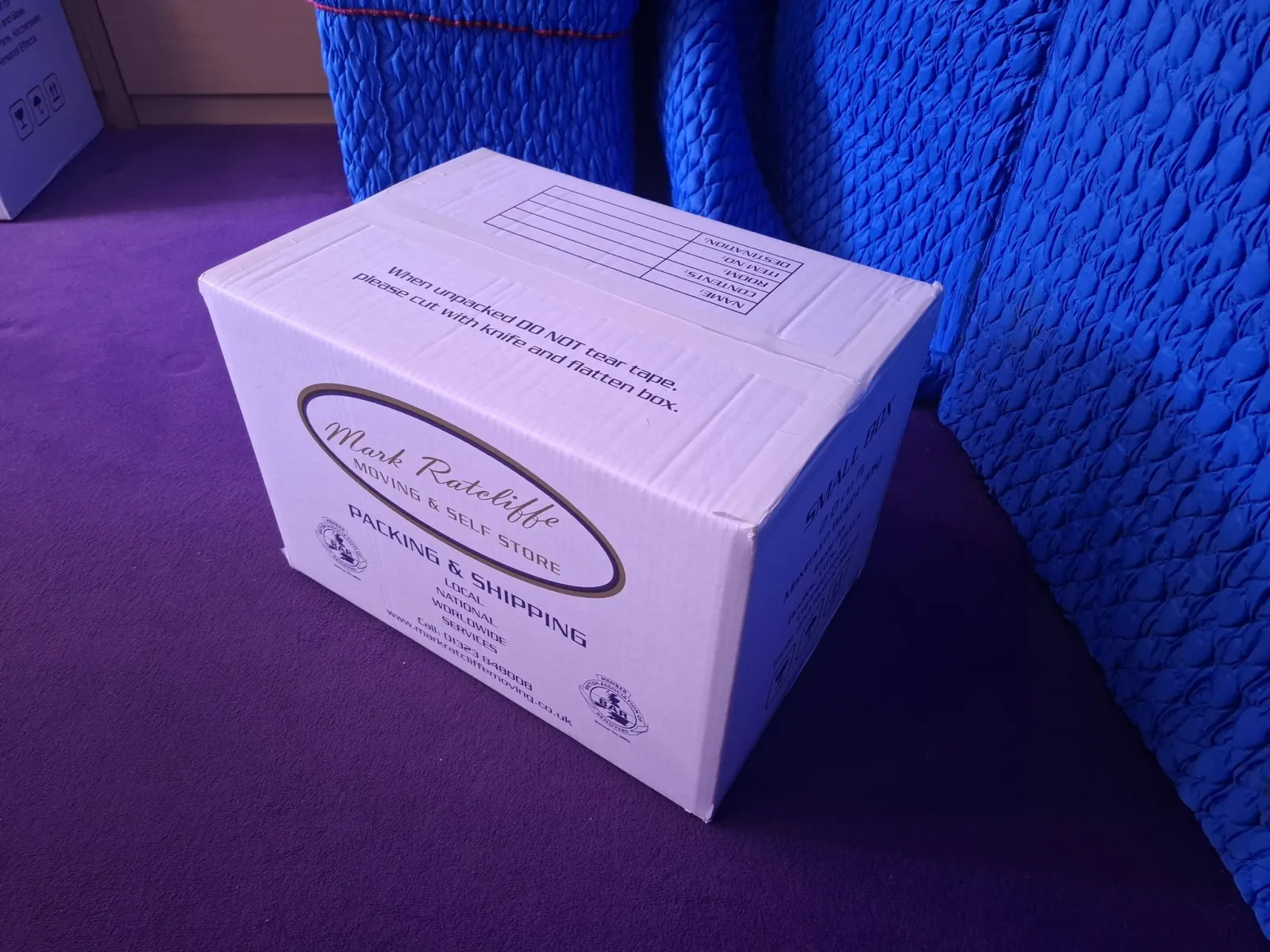
Wherever your goods end up, they pass Australian biosecurity and customs: inspection by the Department of Agriculture, Fisheries and Forestry and clearance by the Australian Border Force. Your destination agent will tell you where and when the examination takes place on a transhipped route. What matters from our side is the same standard of preparation, with a particular eye on the weakest link: every extra handling is another chance for a badly packed item to be opened, questioned and delayed.
Each city has its typical risks. Adelaide households heading for the Hills bring garden tools and outdoor furniture; Hobart households bring walking boots, tents and kayaks for the Tasmanian wilderness; Darwin households bring fishing gear. All of it is cleaned to inspection standard in Sussex and packed where it can be reached. Wooden items that are not dressed timber get ISPM-15 treatment before they leave Britain, and nothing edible is shipped. For anything headed to Tasmania, garden plants and produce should not be in the load in any case.
Start from the east-coast timing — roughly 6–9 weeks of sea transit to Melbourne or Sydney — and then add 2–3 weeks for transhipment on to the smaller port or the road leg. After arrival, allow a further 1–2 weeks for inspection, customs and local delivery. Darwin in the wet season may need extra flexibility on the final delivery date.
On these routes the choice between a sole-use container and shared LCL space matters more than usual. A smaller household in LCL space already waits for consolidation at the UK end, and the transhipment adds to that, so we lay out both options side by side at the survey. If the timing is awkward, we can keep the load in storage before shipping overseas until the sailing that suits you.
Tell us at the survey if you have a firm date to be in the new home, such as a Canberra job start or the end of a Hobart rental, and we will work backwards from it with the transhipment built in.
A route with extra handling is where good packing proves itself, and our crew pack every carton and every piece of furniture themselves from our Lower Dicker depot in East Sussex, where we have been trading since 2017. Our export packing and crating is designed for long, multi-stage journeys; delicate or valuable pieces go into a made-to-measure box from our custom crate service; and a piano gets our piano moving crew. We can do everything through our full packing service or deliver export packing materials for the rooms you pack yourself.
We are members of the British Association of Removers Overseas Group and work to BS 8564. Compare these routes with Melbourne and Victoria, where most of these goods are transhipped, read what our customers say, look at our international removals service, or ring Mark on 01323 848 008.
Most of these goods tranship at Melbourne or Sydney; here are the main routes they branch off from, and New Zealand.
Because the main ocean vessels from Europe rarely call there. Goods usually travel to Melbourne or Sydney and are transhipped on or taken by road, which adds 2–3 weeks to the east-coast transit of roughly 6–9 weeks.
Canberra is inland and has no port, so goods come in through a coastal port and finish the journey by road. The extra leg is part of the 2–3 weeks we allow on top of the east-coast timing.
Tasmania runs its own controls on plant material and produce arriving from the mainland, in addition to the national inspection. In practice, a household load packed to the Australian standard, with no plants or food, is already in good shape for it.
The dry season, roughly May to October, is easiest. The wet season from about November to April brings heavy rain, humidity and the possibility of cyclones, so we keep delivery dates flexible in those months and pack the load bone dry.
It depends on the size of the household. LCL space is usually right for a flat or a small house, but it waits for consolidation in Britain as well as the transhipment, so it takes longer. We quote both options at the survey so you can compare.
Call us for a free, no-obligation quote, or use our online form. Whether it is a shared part-load or a whole house, we have handled the route before and we will handle yours with care.