
Sea freight removals from Sussex to Melbourne and across Victoria, shipped into the Port of Melbourne. Antiques and pianos crated, outdoor kit pre-cleaned for inspection, and delivery to terrace, bayside home or country property.

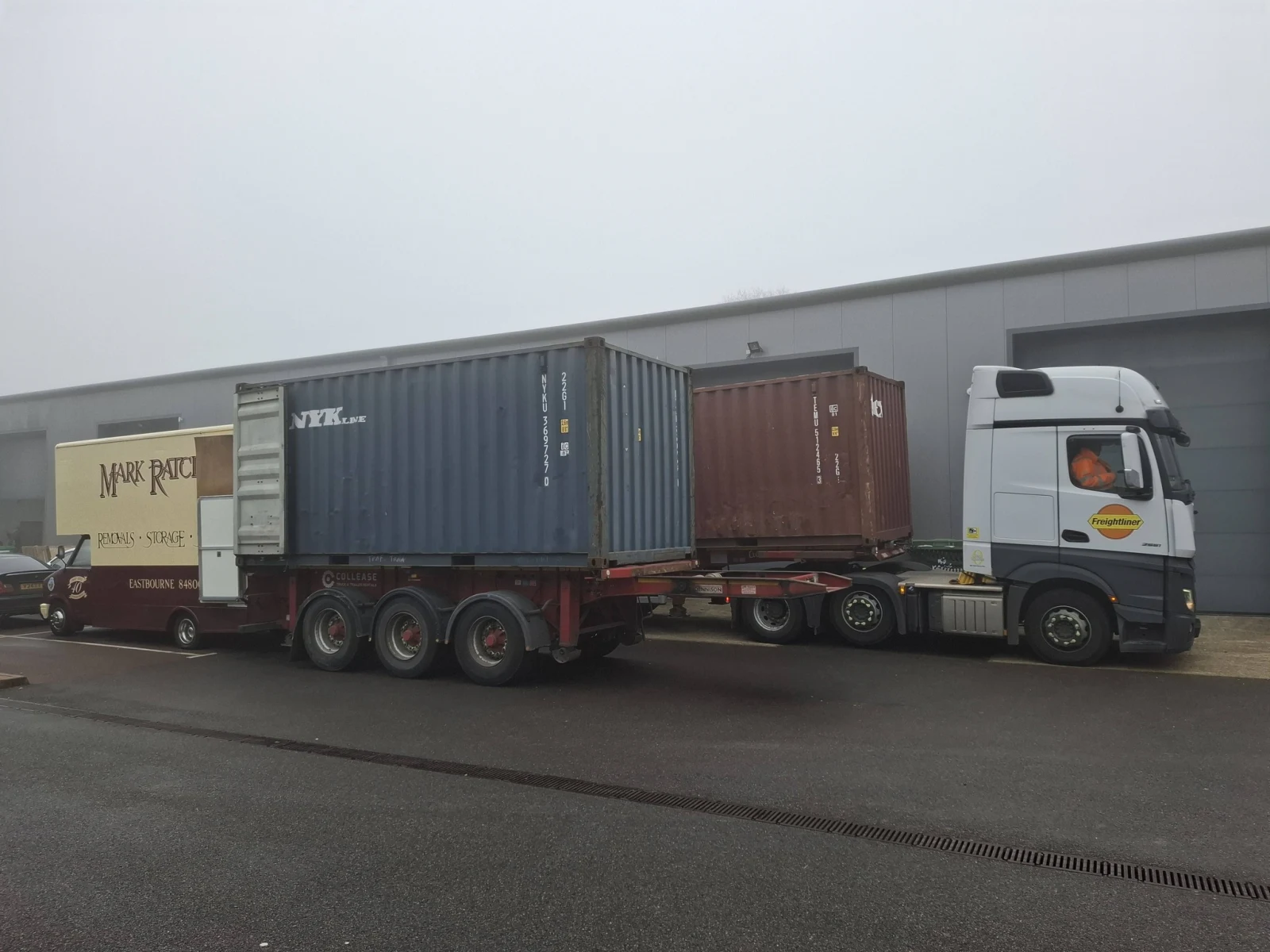
Removals to Melbourne and Victoria from the UK tend to suit people who like a city with seasons. Melbourne is cooler and changeable compared with Sydney or Brisbane, it has trams, laneway cafés and a football culture that takes over the winter, and it pulls in two groups in particular: British retirees joining family in the suburbs or down on the Mornington Peninsula, and professionals relocating into the city’s finance sector. Both usually bring more furniture than they expect, and a good deal of it is older, heavier and more valuable than a young family’s flat-pack — which shapes how we pack a Victorian container.
Melbourne sprawls, and the address changes the delivery more than people expect. The inner suburbs north and east of the city — Fitzroy, Carlton, Richmond, Hawthorn — are full of nineteenth-century terraces and weatherboard houses on narrow blocks. The bayside suburbs to the south-east have larger family homes, and beyond them the Mornington Peninsula has become a favourite with retirees who want the beach, the golf courses and the wineries within an hour or so of the city.
West along the bay, Geelong is Victoria’s second city and the gateway to the Great Ocean Road, where coastal towns are strung out along a winding road that is beautiful to drive and slow to deliver along. Inland, Ballarat is a gold-rush city with grand Victorian streetscapes, a real winter and house prices well below Melbourne’s. We deliver to all of them from the Port of Melbourne; for anywhere further into regional Victoria, tell us at the survey and we will plan the road leg properly.
The two groups we move most often to Victoria plan very differently. A finance-sector relocation usually comes with a start date, an employer paying some or all of the cost, and a few months in serviced accommodation before a permanent address is known, so the container often needs to sail before anyone knows exactly where it is going. Retirees moving to be near family are rarely in a rush but are bringing a lifetime of furniture, and the hard conversation is what to leave behind: bulky British wardrobes and dark dining sets do not always suit a light, open-plan Melbourne house. We would rather help you edit the inventory at the survey than ship something you will sell on arrival.
Weighing Victoria against the other states? Our Australia and New Zealand overview sets every destination side by side, and removals to Sydney and New South Wales is the obvious comparison.
Melbourne has one of the largest tram networks in the world, and it runs down the middle of many of the streets our deliveries finish on. That means overhead wires above the kerb, tram stops where a truck cannot stand, and in the city centre the famous hook turn. None of it stops a delivery, but it decides where the truck parks and how far the crew carries, and the local agent knows which streets are awkward.
The inner-suburban terraces are narrow, often with a single front door, a long hallway and a tight turn at the foot of the stairs. Many have a rear laneway that is ideal for access if the gate is wide enough, and useless if it is not. We measure the big pieces — the wardrobe, the sofa, the upright piano — at the survey so nothing arrives in Melbourne that cannot get through the door.
The weather matters too. Melbourne’s reputation for four seasons in a day is deserved, and a delivery can move from hot northerly wind to cold rain within hours. Export cartons and pad-wrap keep furniture protected on the kerb either way, but it is another reason we would rather over-pack a Melbourne container than under-pack it.
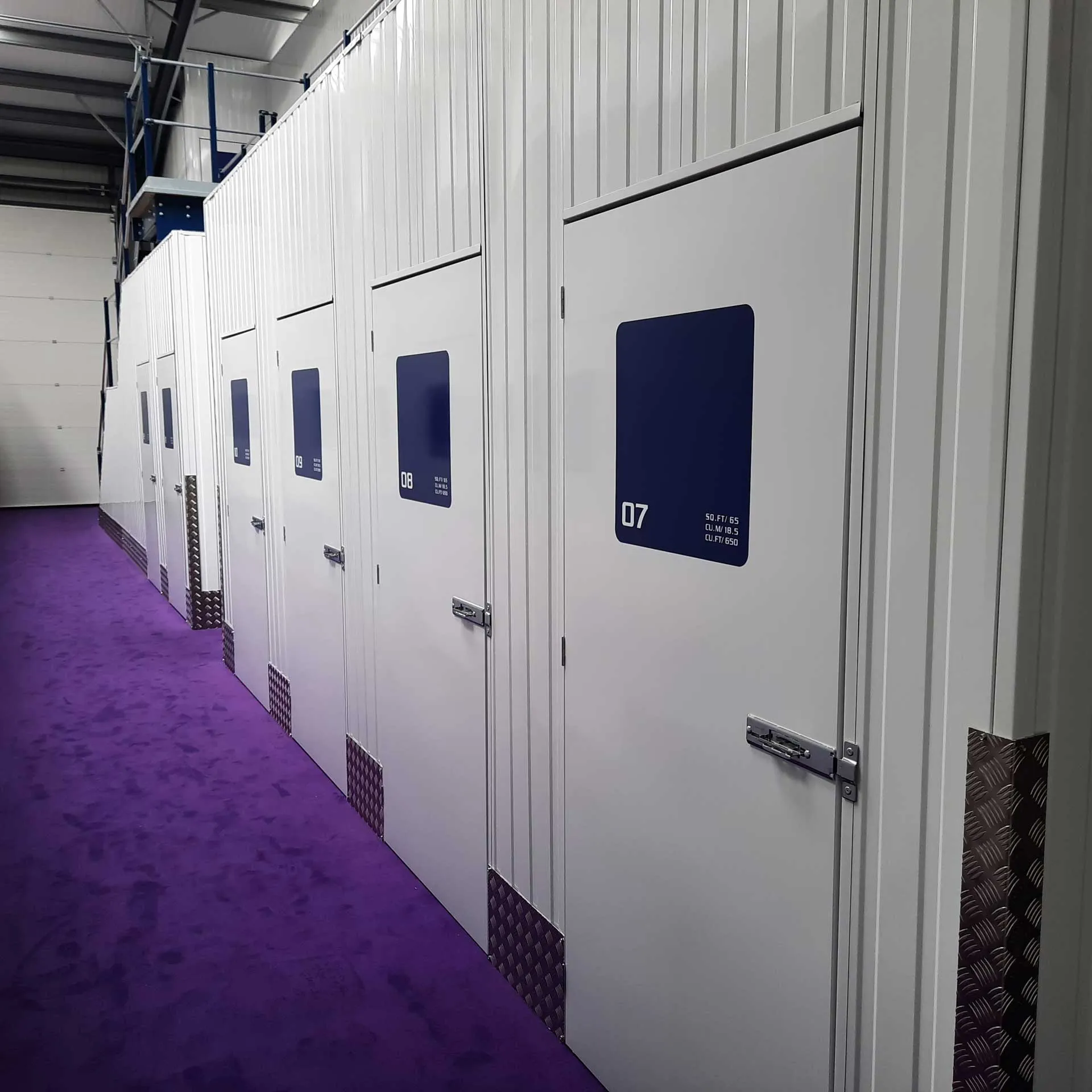
Your container is opened at the Port of Melbourne by biosecurity officers from the Department of Agriculture, Fisheries and Forestry and cleared for customs by the Australian Border Force. Our Melbourne agent attends for you. The standard is the same across Australia; what changes is what Victorian households tend to ship.
Retirees moving to the Peninsula bring golf bags, and the grass and soil in the spikes and on the club heads is exactly what inspectors look for. Keen cyclists heading for Melbourne’s bike lanes bring bikes with mud in the tyre tread. Antique collectors bring furniture with woodworm history, cane and wicker, or pieces with animal-hide upholstery, and people who love a Ballarat winter bring walking boots and camping kit. We deal with each at the packing stage: outdoor items are pre-cleaned and packed apart, antiques are inspected for signs of insects, and anything made of untreated timber is flagged for ISPM-15 treatment in Britain. For antiques over a hundred years old, we also check at the survey whether a UK export licence is needed.
The timeline to Melbourne is comparable to Sydney’s: sea transit of roughly 6–9 weeks via Suez and Singapore to the Australian east coast, then 1–2 weeks for inspection, customs clearance and delivery. Geelong and the Mornington Peninsula add very little to that; Ballarat and the Great Ocean Road add a day or so on the road.
A shared LCL consignment waits for consolidation before it sails, typically adding a couple of weeks. If you are selling in Sussex before you have somewhere to live in Melbourne — common for retirees who want to rent first and buy later — the container can wait in our secure containerised storage until you are ready. We aim to survey about twelve weeks before your move date, and late July and August book up earliest.
A Victorian move often carries the furniture people care most about, and that is where our antiques moving experience and our bespoke crates earn their keep. A long-case clock, a glass-fronted cabinet or a set of dining chairs you inherited travels in a crate made to its measurements, and a piano gets our specialist piano handling with a recommendation to have it tuned once it has settled into the Melbourne climate. Everything else goes into export cartons through our full packing service, or you can pack the easy rooms yourself with packing materials we deliver.
We are a family business, founded in 2017 and run from our Lower Dicker depot in East Sussex. We belong to the BAR Overseas Group and work to the BS 8564 international removals standard. Find out more about Mark Ratcliffe Moving, look through our reviews from customers, or phone Mark on 01323 848 008 for an honest view of what is worth shipping to Victoria.
Melbourne shares the east-coast shipping route with Sydney, but every other Australian and New Zealand destination has its own timing and delivery quirks.
Not meaningfully. Both are on the east-coast route via Suez and Singapore, with sea transit of roughly 6–9 weeks and a further 1–2 weeks for inspection, customs and delivery. The difference between the two cities is the delivery at the end, not the voyage.
Yes. The Mornington Peninsula, Geelong, Ballarat and the Great Ocean Road towns are all delivered from the Port of Melbourne on the same service as the city. Coastal and country properties are surveyed for access first.
Only if they are dirty. Soil and grass in shoe spikes, on club heads or in the bag are what inspectors look for. We clean golf equipment to inspection standard and pack it separately so it can be checked quickly on arrival in Melbourne.
Yes. Antiques are crated to measure, checked for signs of woodworm before packing, and listed clearly for inspection. Items over a hundred years old may need a UK export licence, which we identify at the survey.
Often, but not always. Narrow hallways and tight stair turns are common in the inner suburbs, so we measure large pieces against the new property at survey stage. Where something will not fit, it is better to know in Sussex than on a Fitzroy pavement.
Call us for a free, no-obligation quote, or use our online form. Whether it is a shared part-load or a whole house, we have handled the route before and we will handle yours with care.